
ADHD Symptoms in Children often appear early in life, yet many parents struggle to recognize them clearly. Every child can be energetic, distracted, or impulsive at times, but when these behaviors become persistent and start affecting daily life, learning, and relationships, they may signal Attention-Deficit/Hyperactivity Disorder (ADHD).
Understanding ADHD is not about labeling a child it is about gaining clarity. Children with ADHD are not careless, lazy, or intentionally misbehaving. Their brains simply process attention, impulses, and emotions differently. When parents understand ADHD Symptoms in Children, they can respond with patience, structure, and the right support rather than frustration or blame.
What Is ADHD in Children?
ADHD is a neurodevelopmental condition that affects how children focus, control impulses, manage emotions, and regulate activity levels. It usually begins in childhood and can continue into adolescence and adulthood.
Key Facts About ADHD
- It is brain-based, not caused by poor parenting
- Symptoms can vary from child to child
- Both boys and girls can have ADHD
- Early support makes a major difference
Recognizing ADHD Symptoms in Childrens early helps prevent academic struggles, emotional stress, and low self-esteem.
Why Recognizing ADHD Symptoms in Children Matters
When ADHD goes unnoticed, children often face repeated criticism and misunderstandings. Over time, this can affect their confidence and emotional health.
Benefits of Early Recognition
- Better academic support
- Improved emotional regulation
- Stronger parent-child relationships
- Reduced anxiety and behavioral issues
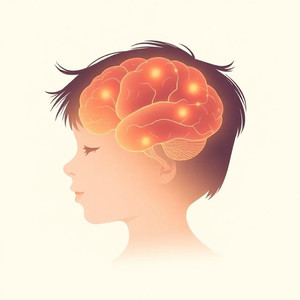
Main Types of ADHD Symptoms in Children
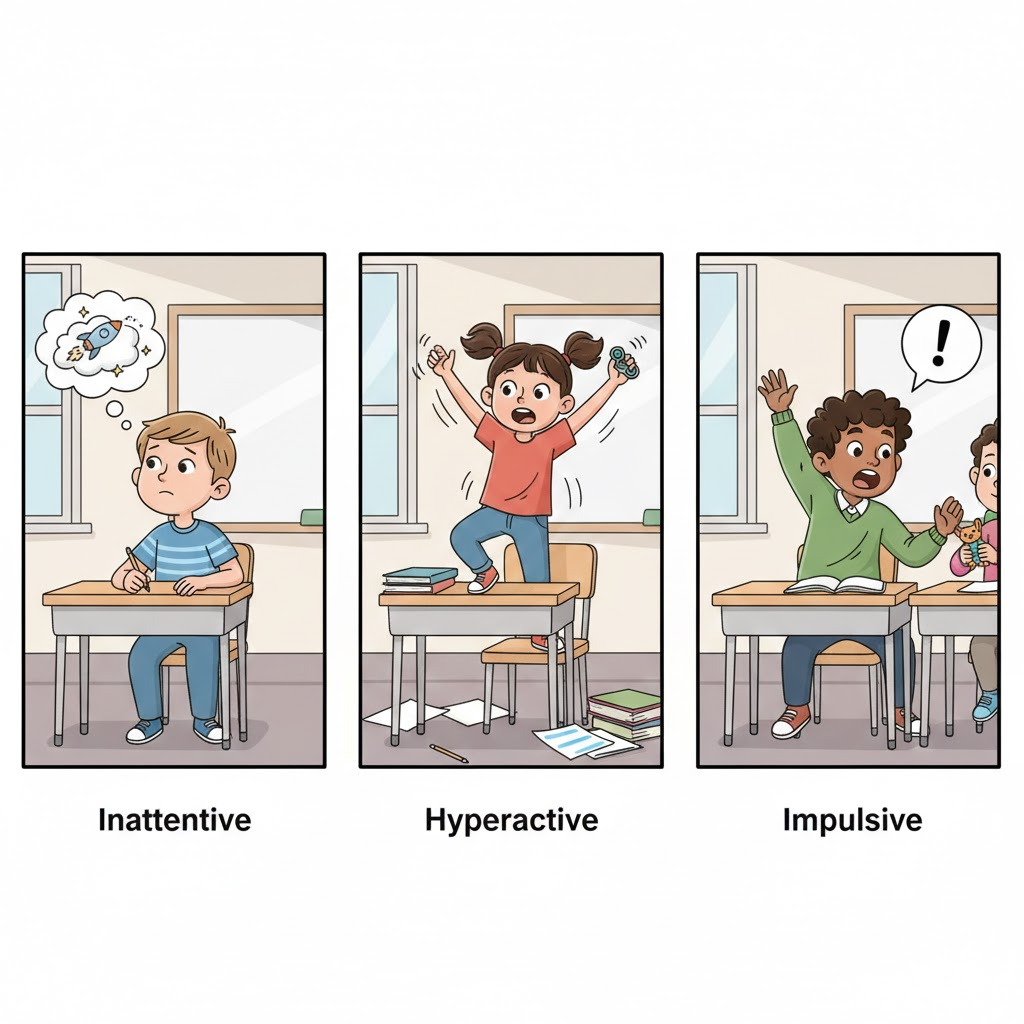
ADHD symptoms are usually grouped into three main categories. Some children show one type, while others show a combination.
1. Inattentive Symptoms in Children
Children with inattentive ADHD struggle mainly with focus and organization.
Common Signs
- Easily distracted
- Difficulty following instructions
- Frequently losing items
- Forgetting daily tasks
- Making careless mistakes
These ADHD Symptoms are often overlooked because the child may appear calm rather than disruptive.
2. Hyperactive Symptoms in Children
Hyperactivity involves excessive movement and restlessness.
Common Signs
- Constant fidgeting
- Difficulty sitting still
- Excessive talking
- Running or climbing at inappropriate times
- Trouble engaging in quiet activities
Hyperactive Symptoms in Children are usually noticed early, especially in school settings.
3. Impulsive ADHD Symptoms in Children
Impulsivity affects self-control and decision-making.
Common Signs
- Interrupting conversations
- Difficulty waiting for turns
- Acting without thinking
- Emotional outbursts
- Taking unnecessary risks
These ADHD Symptoms can lead to social challenges and frequent discipline issues.
Emotional ADHD Symptoms in Children
ADHD does not only affect behavior it also affects emotions.
Emotional Challenges May Include
- Low frustration tolerance
- Mood swings
- Emotional sensitivity
- Feelings of failure
- Difficulty handling criticism
Emotional ADHD Symptoms can deeply impact self-esteem if not properly supported.
ADHD Symptoms in Children at School
School often highlights ADHD-related difficulties.
Academic Challenges
- Trouble focusing during lessons
- Difficulty completing homework
- Poor time management
- Struggles with organization
- Inconsistent academic performance
Teachers often play a key role in identifying ADHD Symptoms in Childrens, making parent-teacher communication essential.
Social Effects of ADHD Symptoms in Children
ADHD can affect how children interact with others.
Social Difficulties
- Trouble making friends
- Interrupting peers
- Difficulty understanding social cues
- Emotional overreactions
Without guidance, social ADHD Symptoms may lead to isolation or misunderstandings.
ADHD Symptoms vs Typical Behavior
| Behavior Area | Typical Child | ADHD Symptoms in Children |
|---|---|---|
| Attention | Occasionally distracted | Constant difficulty focusing |
| Activity Level | Energetic at times | Excessive, nonstop movement |
| Impulsivity | Situational | Frequent and disruptive |
| Emotional Control | Age-appropriate | Intense and unpredictable |
What Causes ADHD Symptoms in Children?
ADHD is influenced by multiple factors and is not caused by one single reason.
Possible Causes
- Genetics
- Brain structure differences
- Neurochemical imbalances
- Prenatal exposure to toxins
- Early brain development variations
How ADHD Symptoms Are Diagnosed
There is no single test for ADHD.
Diagnosis Often Includes
- Behavioral observations
- Parent and teacher reports
- Developmental history
- Psychological assessments
A qualified healthcare professional should always evaluate ADHD Symptoms in Childrens.
Managing ADHD Symptoms in Children
ADHD cannot be cured, but it can be managed effectively.
Support Strategies
- Behavioral therapy
- Parent training programs
- Classroom accommodations
- Consistent routines
- Positive reinforcement
According to the Centers for Disease Control and Prevention (CDC), early behavioral interventions greatly improve outcomes for children.
Daily Habits That Help ADHD Symptoms in Children
Small lifestyle changes can make a big difference.
Helpful Habits
- Regular sleep schedule
- Balanced nutrition
- Physical activity
- Limited screen time
- Clear daily structure
These habits support focus and emotional balance in children with ADHD.
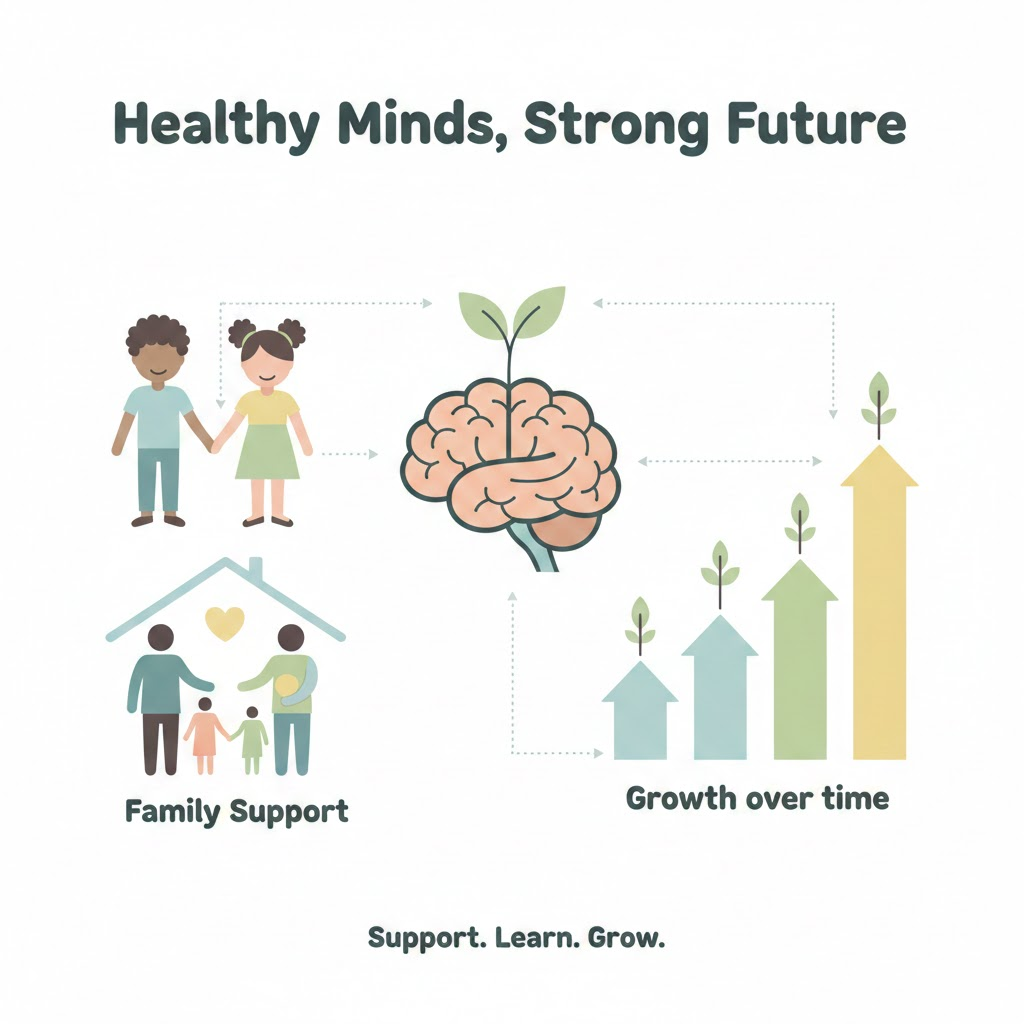
Common Myths About ADHD Symptoms
Myth vs Reality
- Myth: ADHD is caused by bad parenting
- Reality: ADHD is neurological
- Myth: Children outgrow ADHD completely
- Reality: Symptoms often change but may continue
Correct information helps families better support children with ADHD.
FAQs
Q.At what age do ADHD Symptoms in Children appear?
Symptoms may appear as early as age 3 but often become noticeable in school years.
Q.Are ADHD Symptoms in Children the same for everyone?
No, symptoms vary in type and severity.
Q.Can ADHD affect emotions?
Yes, emotional regulation is commonly affected.
Q.Is medication always necessary?
Not always. Many children benefit from behavioral therapy and structured support.
Conclusion
Understanding ADHD Symptoms in Children is the first step toward meaningful support. Children with ADHD are not difficult on purpose they experience the world differently. Without understanding, they may face repeated frustration, criticism, and emotional stress.
With awareness, patience, and the right strategies, children with ADHD can build confidence, manage challenges, and thrive both academically and emotionally. When parents shift from judgment to understanding, children feel supported, valued, and empowered. Addressing ADHD Symptoms in Children early lays the foundation for healthier development and long-term success.