If your skin feels stuck with constant breakouts, stubborn dark spots, and lingering redness, it might be time to look at one ingredient that quietly does it all: azelaic acid serum.
Unlike aggressive exfoliating acids or harsh acne treatments, azelaic acid serum works in a smarter way. It fights acne-causing bacteria, reduces hyperpigmentation, calms inflammation, and improves uneven skin tone all without damaging your skin barrier.
Let’s break it down properly.
How Azelaic Acid Serum Improves Skin Texture
Besides acne and pigmentation, azelaic acid serum gently increases cell turnover.
This helps:
- Smooth rough skin
- Refine enlarged pores
- Improve uneven texture
- Brighten dull complexion
It works like a mild exfoliating serum without the harsh peeling effect of glycolic acid.
Who Should Use Azelaic Acid Serum?
This serum is ideal for:
- Oily skin
- Acne-prone skin
- Sensitive skin
- Combination skin
- Rosacea-prone skin
- People dealing with post-inflammatory hyperpigmentation
If retinol feels too strong or salicylic acid causes irritation, azelaic acid serum is a gentler alternative.
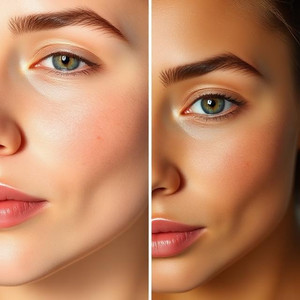
What Is Azelaic Acid Serum?
An azelaic acid serum is a lightweight treatment formulated with azelaic acid, a naturally derived dicarboxylic acid found in grains like wheat and barley.
In skincare, it’s used in concentrations like:
- 10% azelaic acid (over-the-counter)
- 15%–20% (prescription strength)
This ingredient is known for being:
- Anti-inflammatory
- Antibacterial
- Gentle exfoliating
- Suitable for sensitive skin
Unlike stronger chemical exfoliants, azelaic acid works without causing intense peeling. That’s why many dermatologists recommend it for acne-prone and rosacea-prone skin.
Benefits of Azelaic Acid Serum for Acne and Breakouts
Azelaic Acid Serum for Acne Treatment
One of the biggest reasons people turn to azelaic acid serum is acne control.
It helps by:
- Killing acne-causing bacteria
- Unclogging pores
- Reducing excess sebum production
- Preventing future breakouts
If you’re dealing with whiteheads, blackheads, or inflammatory acne, this serum works as a long-term acne treatment rather than a quick drying solution.
It’s also considered fungal acne safe, which makes it even more versatile.

Azelaic Acid Serum for Hyperpigmentation and Dark Spots
Now let’s talk about stubborn marks.
Azelaic acid inhibits tyrosinase, the enzyme responsible for melanin production. That means it helps fade:
- Post-acne marks
- Sun spots
- Melasma
- Uneven skin tone
- Dark patches
If you’re searching for a hyperpigmentation serum that doesn’t bleach or irritate, azelaic acid serum is a safe and effective option.
Over time, it works as a dark spot corrector and improves overall skin clarity.
Azelaic Acid Serum for Redness and Rosacea
Redness can be frustrating. Especially when most activities make it worse.
Because azelaic acid is anti-inflammatory, it helps:
- Calm irritated skin
- Reduce facial redness
- Improve rosacea symptoms
- Strengthen the compromised skin barrier
This makes azelaic acid serum one of the best serums for sensitive skin and rosacea-prone skin.
How to Use Azelaic Acid Serum in Your Skincare Routine
Using it correctly makes all the difference.
Morning Routine with Azelaic Acid Serum
- Gentle cleanser
- Hydrating toner
- Azelaic acid serum
- Lightweight moisturizer
- Broad-spectrum sunscreen
Sunscreen is essential, especially when treating pigmentation.
Night Routine with Azelaic Acid Serum
- Cleanser
- Azelaic acid serum
- Moisturizer
You can start once daily. If your skin tolerates it, increase to twice daily.
Can You Combine Azelaic Acid Serum with Other Ingredients?
Yes, and it actually layers well with many skincare actives.
Works Well With:
- Niacinamide serum
- Hyaluronic acid
- Peptides
- Panthenol
- Allantoin
Use Carefully With:
- Retinol
- Salicylic acid
- Glycolic acid
- Benzoyl peroxide
If combining with retinol, consider using them on alternate nights.
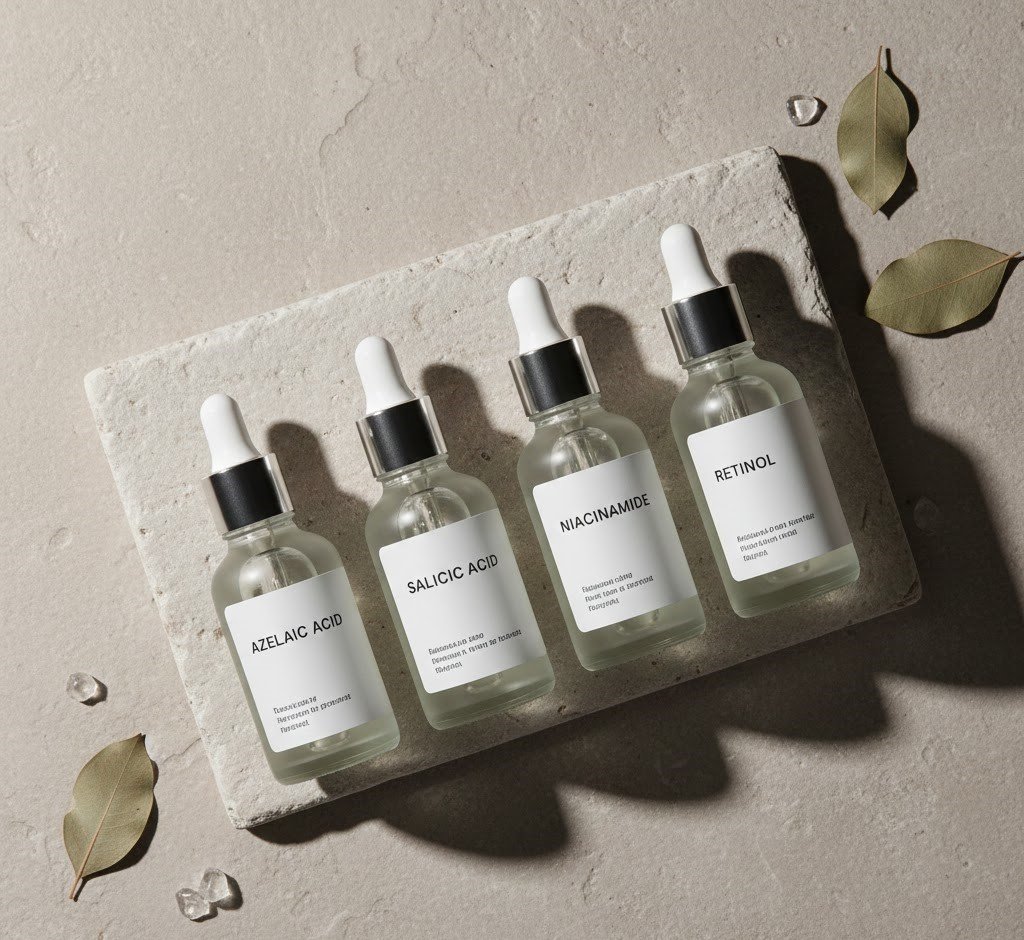
Azelaic Acid Serum vs Other Skincare Acids
Azelaic Acid Serum vs Salicylic Acid
Salicylic acid is stronger for deep pore cleansing.
Azelaic acid serum is better if you want acne treatment plus pigmentation correction.
Azelaic Acid Serum vs Niacinamide
Niacinamide controls oil and strengthens the skin barrier.
Azelaic acid serum fights bacteria and fades dark spots.
Together? Very effective.
Azelaic Acid Serum vs Vitamin C
Vitamin C brightens and protects against environmental damage.
Azelaic acid serum focuses more on redness, acne, and hyperpigmentation treatment.
Azelaic Acid Serum vs Retinol
Retinol accelerates cell turnover aggressively.
Azelaic acid serum offers smoother, gentler improvement for sensitive skin types.
Possible Side Effects of Azelaic Acid Serum
Most people tolerate it well, but mild side effects may include:
- Temporary tingling
- Slight dryness
- Mild itching
To avoid irritation:
- Start slowly
- Moisturize properly
- Avoid over-layering actives
Always patch test before full application.
How Long Does Azelaic Acid Serum Take to Show Results?
Consistency matters.
- 2–4 weeks: Fewer breakouts
- 4–8 weeks: Reduced dark spots
- 8–12 weeks: Noticeable improvement in skin tone and texture
This isn’t an overnight fix. It’s a steady skin transformation.
How to Choose the Best Azelaic Acid Serum
When buying an azelaic acid serum, look for:
- 10% concentration (ideal for beginners)
- Non-comedogenic formula
- Fragrance-free ingredients
- Added niacinamide or hyaluronic acid
- Lightweight gel texture
A good formula should hydrate while treating acne and pigmentation.
Is Azelaic Acid Serum Worth Adding to Your Routine?
Let’s bring it all together.
If your skin feels like it’s constantly fighting something acne that won’t settle, dark spots that refuse to fade, redness that flares up for no clear reason azelaic acid serum offers a balanced, long-term solution instead of a temporary fix.
What makes azelaic acid serum different isn’t just one standout benefit. It’s the combination.
It works as an acne treatment serum by targeting acne-causing bacteria and reducing excess oil. At the same time, it functions as a hyperpigmentation serum, gradually fading post-acne marks, melasma, and uneven skin tone. On top of that, its anti-inflammatory properties make it a reliable option for redness reduction and rosacea-prone skin.
Another reason azelaic acid serum stands out is tolerance. Compared to stronger exfoliating acids or high-strength retinol, it’s generally gentler. That makes it ideal for sensitive skin, combination skin, and even those new to active skincare ingredients. It delivers visible improvement without aggressive peeling or excessive irritation when used correctly.
It’s not about chasing trends. It’s about choosing an ingredient that solves multiple concerns in a controlled, skin-friendly way.
And sometimes, that quiet, consistent improvement is exactly what your skin needs.