Natural hair is beautiful, versatile, and powerful, but it also requires intentional care. Taking care of natural hair requires effort and time. The hair care routine an individual chooses depends entirely on their hair type, specific hair concerns, and overall hair goals. Choosing the right hair care products for natural hair can make the difference between dry, frizzy curls and soft, defined, healthy hair.
If you often struggle with dryness, breakage, or undefined curls, this complete guide will help you understand what your hair truly needs. From selecting the best shampoo for natural hair to building a realistic hair care routine for natural hair, everything you need is covered here.
Understanding Natural Hair and Its Unique Needs
Natural hair refers to hair that has not been chemically relaxed or permanently straightened. It includes curly, coily, and kinky textures that naturally grow from the scalp.
Because of its curl pattern, natural hair tends to:
- Lose moisture quickly
- Be prone to breakage
- Require gentle cleansing
- Need consistent moisture & nourishment
The twists and coils make it harder for scalp oils to travel down the hair shaft, which is why hydration is essential.
Using the right natural hair care products supports curl definition, scalp health, and overall strength.
Why Choosing the Right Hair Care Products for Natural Hair Matters
Not all products are created equally. Many conventional products contain harsh detergents, drying alcohols, or heavy silicones that can suffocate curls.
Instead, focus on:
- Sulfate-free hair care products
- Moisturizing formulas
- Gentle cleansing ingredients
- Natural oils and butters
- Lightweight frizz control solutions
The goal is not to overload your hair but to balance cleansing, hydration, and protection.
Building a Healthy Hair Care Routine for Natural Hair
A structured hair care routine for natural hair keeps your curls consistent and manageable. Let’s break it down step by step.
Step 1: Natural Hair Cleansing Steps
Cleansing is the foundation of healthy natural hair. One of the main questions that arises is, “How often should you wash natural hair?” However, the answer depends entirely on your lifestyle, scalp condition, and product usage. Most people with natural hair wash it every 7–14 days.
Best Shampoo for Natural Hair
Look for:
- Sulfate-free formulas
- Aloe vera
- Coconut-based cleansers
- Mild surfactants
The best shampoo for natural hair should cleanse without stripping natural oils.
Co-Washing Option
Some prefer conditioner-only washing between full shampoo days. This helps maintain moisture while lightly cleansing the scalp.
Step 2: Natural Conditioner for Natural Hair
Conditioning restores hydration after cleansing.
A good natural conditioner for natural hair should:
- Detangle easily
- Provide slip
- Improve elasticity
- Add moisture & nourishment
Ingredients to look for:
- Shea butter
- Argan oil
- Avocado oil
- Honey
- Aloe vera
Conditioners should be left on for at least 5–10 minutes to penetrate properly.
Step 3: Deep Conditioning Hair Treatment
One of the most important steps in maintaining healthy natural hair is weekly or biweekly deep conditioning.
A deep conditioning hair treatment:
- Repairs damage
- Restores softness
- Improves curl definition
- Prevents breakage
Apply after shampooing and leave on for 20–30 minutes. Using a shower cap or mild heat helps improve absorption.
If your hair feels brittle or dry, increase deep conditioning frequency.
Step 4: Moisture & Nourishment The Core of Healthy Curls
Natural hair thrives on hydration. Moisture & nourishment should be a constant focus.
The LOC or LCO Method
These layering methods help seal moisture:
- Liquid (water or leave-in conditioner)
- Oil (natural oil like jojoba or almond)
- Cream (curl cream or butter)
OR
- Liquid
- Cream
- Oil
This method reduces dryness and keeps curls soft longer.
Step 5: Hair Products for Curly Hair Styling
When selecting hair products for curly hair, focus on definition and frizz control rather than stiffness.
Look for:
- Curl creams
- Lightweight gels
- Leave-in conditioners
- Mousse for volume
Avoid heavy waxes or overly drying alcohol-based stylers.
Frizz Control Hair Product: How to Tame Flyaways Naturally
Frizz is common with natural textures due to humidity and dryness.
A good frizz control hair product should:
- Lock in moisture
- Create light hold
- Smooth the cuticle
- Reduce puffiness
Natural solutions include:
- Aloe vera gel
- Flaxseed gel
- Lightweight curl creams
Humidity-resistant styling products can also help during warmer months.
Protecting Natural Hair from Heat Damage
Even natural hair sometimes needs heat styling. If you use blow dryers or flat irons, protection is essential.
Best Heat Protectant Spray for Hair
The best heat protectant spray for hair should:
- Provide thermal protection up to 200°C+
- Be lightweight
- Not leave residue
- Include nourishing ingredients
Heat styling should be occasional, not daily. Always apply heat protectant to damp or dry hair before styling.
Table: Essential Hair Care Products for Natural Hair
| Product Type | Purpose | Key Ingredients | Frequency |
|---|---|---|---|
| Sulfate-Free Shampoo | Gentle cleansing | Aloe vera, coconut surfactants | Weekly |
| Natural Conditioner | Hydration & detangling | Shea butter, argan oil | Every wash |
| Deep Conditioning Hair Treatment | Repair & strength | Protein, avocado oil | Weekly/Biweekly |
| Leave-In Conditioner | Daily moisture | Aloe, glycerin | After wash |
| Frizz Control Hair Product | Smooth & define | Flaxseed gel, curl cream | As needed |
| Heat Protectant Spray | Prevent heat damage | Silicones, plant extracts | Before heat styling |
Wash Day Routines for Natural Hair
Wash day routines should not feel overwhelming. Here’s a simplified structure:
- Pre-poo with oil or conditioner
- Cleanse using sulfate-free hair care products
- Apply natural conditioner for natural hair
- Deep conditioning hair treatment
- Detangle gently
- Apply leave-in and style
Taking time during wash day reduces breakage and improves curl definition.
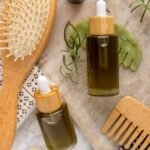
Natural Products You Can Use at Home
Some natural ingredients support natural hair care:
- Coconut oil (pre-wash treatment)
- Olive oil (seal moisture)
- Aloe vera gel (hydration + frizz control)
- Shea butter (sealing moisture)
- Flaxseed gel (natural styling gel)
However, balance is important. Not all natural ingredients work for every hair type.
Common Mistakes to Avoid
Even with good intentions, mistakes can slow your progress toward healthy natural hair.
- Overwashing
- Skipping deep conditioning
- Using harsh sulfates
- Ignoring heat protectant
- Not trimming split ends
- Overloading products
Consistency matters more than using too many products.
How to Maintain Healthy Natural Hair Long-Term
Long-term hair health depends on:
- Gentle handling
- Protective styles
- Regular trimming
- Moisture & nourishment
- Balanced scalp care
Your routine may evolve with seasons. For example:
During winter, it is important to increase deep conditioning treatments because cold air can strip moisture from your natural hair, leaving it dry and brittle. In contrast, during summer, you should focus more on frizz-control products, as heat and humidity can cause excessive dryness and puffiness. Therefore, adjusting your routine according to the season helps maintain balance and manageability. Most importantly, pay close attention to how your hair responds, since your hair’s needs may change over time.
Conclusion: The Secret to Thriving Natural Hair
Choosing the right hair care products for natural hair is not about buying everything at once. It is about understanding your curl pattern, moisture needs, and lifestyle.
From using the best shampoo for natural hair to incorporating a weeklydeep conditioning hair treatment, every step builds toward stronger, softer, healthier curls.
When it comes to maintaining healthy natural hair, it is essential to focus on sulfate-free hair care products, as these gentle cleansers help remove buildup without stripping away the scalp’s natural oils. In contrast, harsh shampoos can leave curls dry and brittle; therefore, choosing milder formulas supports long-term hair strength and hydration. Equally important is maintaining consistent moisture & nourishment, because natural textures tend to lose moisture faster due to their curl pattern.
For this reason, incorporating leave-in conditioners, natural oils, and weekly deep conditioning treatments ensures that the hair remains soft, elastic, and less prone to breakage. Moreover, adopting smart wash day routines can significantly improve manageability and reduce unnecessary damage. For example, pre-poo treatments, careful detangling, and layering products correctly not only simplify styling but also preserve curl definition.
In addition, practicing gentle styling practices for instance, limiting heat exposure, avoiding tight hairstyles, and minimizing excessive manipulation protects the hair shaft and encourages steady growth. Ultimately, when your routine aligns with your hair’s natural texture and specific needs, healthy natural hair becomes not only achievable but also sustainable over time.
Frequently Asked Questions (FAQs)
1. What are the best hair care products for natural hair?
The best hair care products for natural hair are sulfate-free shampoos, natural conditioners, deep conditioning treatments, leave-in conditioners, and lightweight styling products that support moisture & nourishment.
2. How often should I wash natural hair?
Most natural hair types benefit from washing every 7–14 days depending on scalp condition and product buildup.
3. Is deep conditioning necessary?
Yes. A deep conditioning hair treatment restores moisture, strengthens strands, and reduces breakage.
4. Can I use heat on natural hair?
Yes, but always use the best heat protectant spray for hair and limit heat usage to prevent damage.
5. How do I reduce frizz naturally?
Use a frizz control hair product, seal moisture properly, and avoid over-manipulating dry hair.
Read more styling and lifestyle this on our blog.