Let me be blunt: that energy drink you’re reaching for at 2 PM isn’t just giving you a boost—it’s potentially messing with your hormones, your heart, your fertility, and your long-term health in ways companies don’t advertise.
As women, we’re already managing enough: careers, families, mental loads, hormonal fluctuations, sleep deprivation, and societal pressure to do it all without looking tired. Energy drinks promise the solution—instant energy, mental clarity, the ability to power through.
But the hidden health risks energy drinks women face are serious, gender-specific, and rarely discussed openly. Let’s talk about what’s really happening inside your body when you crack open that colorful can.
Shocking Fact #1: Energy Drinks Disrupt Your Hormones More Than You Think
Here’s what companies won’t tell you: the caffeine effects on women extend far beyond temporary alertness.
Energy drinks contain 80-300mg of caffeine per serving (sometimes more). That level of caffeine impacts:
Cortisol Production:
High caffeine intake triggers cortisol spikes. For women already dealing with stress, this creates a vicious cycle:
- Chronic elevated cortisol disrupts your menstrual cycle
- Increases belly fat storage (yes, really)
- Interferes with thyroid function
- Worsens PMS and PMDD symptoms
- Contributes to adrenal fatigue
Estrogen Metabolism:
Energy drinks hormones women studies show that excessive caffeine can:
- Increase estrogen levels in some women
- Worsen estrogen-dominant conditions like endometriosis and fibroids
- Contribute to breast tenderness and fibrocystic changes
- Affect how your body processes reproductive hormones
For women on birth control, this hormonal disruption can be even more pronounced because the pill already affects how your body metabolizes caffeine.
Shocking Fact #2: They’re Silently Harming Your Heart (And Women Show Different Symptoms)
Women cardiovascular health risks from energy drinks are particularly concerning because women experience heart problems differently than men.
The Cardiovascular Danger
Regular energy drink consumption can cause:
- Irregular heartbeat (arrhythmia)
- Increased blood pressure
- Arterial stiffness
- Increased heart attack risk
Why this matters more for women:
- Women’s heart attack symptoms are often subtle and dismissed
- We’re already at a higher risk post-menopause
- Heart disease is the #1 killer of women (not breast cancer)
- Energy drinks can mask underlying heart conditions until it’s serious
Young women especially underestimate this risk. Emergency rooms have seen a surge in women under 40 experiencing cardiac events linked to energy drink consumption events that might have been prevented.

Shocking Fact #3: Energy Drinks Can Compromise Your Fertility
This is the fact that should make every woman of childbearing age pause: energy drinks and fertility research shows concerning connections.
How Energy Drinks Affect Reproductive Health
Studies indicate that high caffeine consumption (more than 200-300mg daily) can:
- Reduce fertility by up to 27%
- Increase time to conception
- Raise miscarriage risk in early pregnancy
- Affect egg quality over time
- Disrupt ovulation patterns
The hidden danger: Most women don’t realize they’re pregnant for the first 4-6 weeks. If you’re regularly consuming energy drinks during that crucial development period, you’re exposing a developing embryo to high caffeine levels during critical organ formation.
Pregnancy and Energy Drinks
Energy drinks pregnancy risks include:
- Low birth weight
- Preterm delivery
- Developmental concerns
- Caffeine withdrawal in newborns
- Increased stillbirth risk at high consumption levels
If you’re trying to conceive, pregnant, or breastfeeding, energy drinks should be completely off the table—not reduced, eliminated.
Shocking Fact #4: They’re Worsening Your Anxiety and Sleep (Women Are Hit Harder)
Women are already twice as likely as men to experience anxiety disorders. Energy drinks make this worse.
The Anxiety-Caffeine Connection
Caffeine anxiety women experience is intensified because:
- Women metabolize caffeine more slowly during certain menstrual phases
- Birth control extends caffeine’s half-life in your body
- Hormonal fluctuations amplify anxiety responses
- Sleep disruption (which caffeine causes) worsens anxiety symptoms
Sleep Disruption Hits Women Harder
Women need more sleep than men (scientifically proven), yet we get less. Energy drinks compound this by:
- Creating daytime fatigue that tempts more caffeine use
- Staying in your system 5-7 hours (longer in women on birth control)
- Disrupting deep sleep cycles
- Reducing REM sleep quality
Shocking Fact #5: Energy Drinks Are Destroying Your Bone Health (A Long-Term Women’s Issue)
Women are already at higher risk for osteoporosis and bone density loss, especially post-menopause. Energy drinks accelerate this problem.
How Energy Drinks Weaken Bones
- High caffeine increases calcium excretion through urine
- Phosphoric acid (in many energy drinks) interferes with calcium absorption
- Sugar content promotes inflammation that affects bone health
- Regular consumption over years creates cumulative damage
Women’s health risks around bone density matter because:
- Women start with lower bone mass than men
- We lose bone density faster after menopause
- Fractures and breaks have more serious consequences
- Prevention in your 20s-40s determines your 60s-80s quality of life
That daily energy drink habit you started in college? It could be setting you up for osteoporosis decades from now.
Shocking Fact #6: They’re Linked to Weight Gain and Metabolic Dysfunction in Women
Despite marketing that suggests energy drinks boost metabolism, the reality is different—especially for women.
The Weight Gain Connection
Women metabolic health is affected by:
Sugar Content: Many energy drinks contain 25-50g of sugar per can
- Triggers insulin spikes and crashes
- Increases fat storage, especially around the midsection
- Contributes to insulin resistance over time
- Worsens PCOS symptoms in susceptible women
“Sugar-Free” Versions Aren’t Better:
- Artificial sweeteners disrupt gut bacteria
- May increase sugar cravings
- Have been linked to metabolic dysfunction
- Can affect hormone regulation
Stress Hormones and Weight:
- Cortisol spikes from caffeine promote abdominal fat storage
- Disrupted sleep (from caffeine) increases hunger hormones
- Energy crashes lead to poor food choices
- The cycle perpetuates weight gain and metabolic issues
For women already navigating hormonal weight fluctuations (puberty, pregnancy, perimenopause), energy drinks add unnecessary metabolic stress.
Shocking Fact #7: The “Other Ingredients” Are Completely Unregulated and Potentially Dangerous
Here’s what most women don’t realize: energy drinks aren’t regulated as strictly as medications or even food in many cases.
Hidden Ingredients with Unknown Long-Term Effects
Beyond caffeine, energy drinks contain:
Taurine: Amino acid with unclear long-term effects in high doses Guarana: Additional caffeine source (often not counted in “caffeine content”) Ginseng: Can interact with medications, especially hormonal ones B Vitamins in Mega-Doses: Excessive amounts your body can’t use Artificial Colors and Flavors: Some linked to hyperactivity and allergic reactions Niacin (Vitamin B3): Can cause flushing, liver damage at high doses
The dangerous part: These ingredients interact with each other AND with:
- Birth control pills
- Antidepressants
- Blood pressure medications
- Thyroid medications
- Fertility treatments
Women taking multiple medications face compounded risks that haven’t been adequately studied.
Why Women Keep Drinking Energy Drinks Despite the Risks
Let’s address the elephant in the room: if energy drinks are so harmful, why do so many women rely on them?
The real reasons:
- Chronic sleep deprivation from juggling responsibilities
- Societal pressure to be energetic, productive, and “on” constantly
- Lack of support systems that would allow adequate rest
- Normalized exhaustion in work and home cultures
- Marketing that targets busy women specifically
- Lack of awareness about gender-specific health risks
Here’s the truth: energy drinks aren’t solving your exhaustion—they’re masking a deeper problem while creating new ones.
Shocking Fact #7: The “Other Ingredients” Are Completely Unregulated and Potentially Dangerous
Here’s what most women don’t realize: energy drinks aren’t regulated as strictly as medications or even food in many cases.
Hidden Ingredients with Unknown Long-Term Effects
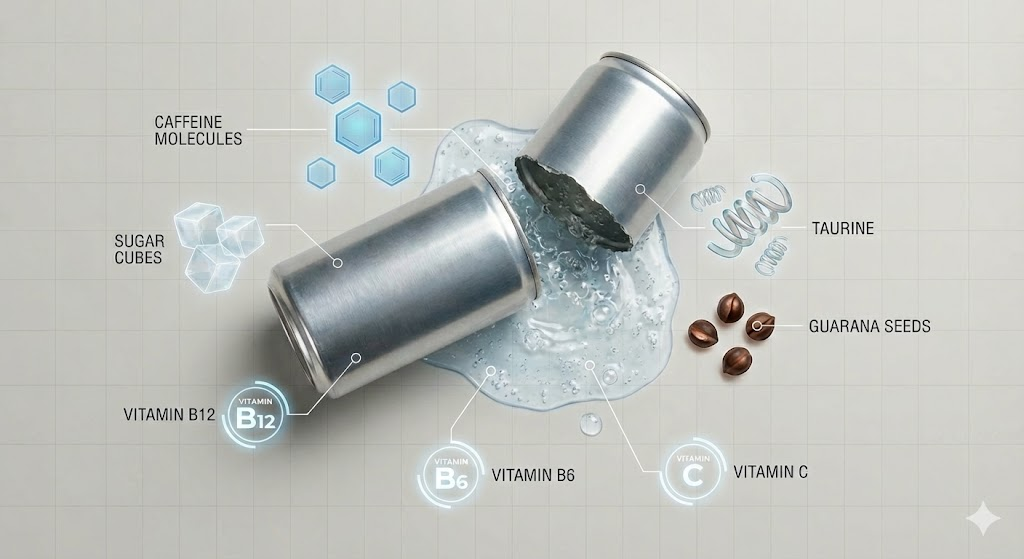
Beyond caffeine, energy drinks contain:
Taurine: Amino acid with unclear long-term effects in high doses Guarana: Additional caffeine source (often not counted in “caffeine content”) Ginseng: Can interact with medications, especially hormonal ones B Vitamins in Mega-Doses: Excessive amounts your body can’t use Artificial Colors and Flavors: Some linked to hyperactivity and allergic reactions Niacin (Vitamin B3): Can cause flushing, liver damage at high doses
The dangerous part: These ingredients interact with each other AND with:
- Birth control pills
- Antidepressants
- Blood pressure medications
- Thyroid medications
- Fertility treatments
Women taking multiple medications face compounded risks that haven’t been adequately studied.
Why Women Keep Drinking Energy Drinks Despite the Risks
Let’s address the elephant in the room: if energy drinks are so harmful, why do so many women rely on them?
The real reasons:
- Chronic sleep deprivation from juggling responsibilities
- Societal pressure to be energetic, productive, and “on” constantly
- Lack of support systems that would allow adequate rest
- Normalized exhaustion in work and home cultures
- Marketing that targets busy women specifically
- Lack of awareness about gender-specific health risks
Here’s the truth: energy drinks aren’t solving your exhaustion—they’re masking a deeper problem while creating new ones.
FAQs About Energy Drinks and Women’s Health
Q. Are energy drinks worse for women than men?
Yes. Women metabolize caffeine differently, face unique hormonal impacts, have higher anxiety rates, and experience gender-specific health risks like fertility concerns and bone density loss.
Q. How much caffeine is safe for women daily?
Most health organizations recommend limiting caffeine to 200-300mg daily for women, and 200mg or less if pregnant or trying to conceive. One energy drink often contains that entire amount or more.
Q. Can energy drinks affect my menstrual cycle?
Absolutely. Energy drinks menstrual cycle impacts include irregular periods, worsened PMS symptoms, heavier bleeding, and hormonal disruption that can affect cycle regularity.
Q. Do “sugar-free” energy drinks solve the health problems?
No. While they eliminate sugar concerns, they still contain high caffeine, artificial sweeteners (with their own health concerns), and unregulated stimulants that pose the same cardiovascular, hormonal, and anxiety risks.
Q. Can I drink energy drinks while on birth control?
Birth control extends caffeine’s half-life in your body, meaning the effects last longer and accumulate more. This increases all the risks discussed—especially cardiovascular and anxiety concerns.
Q. What about energy drinks and breastfeeding?
Caffeine passes into breast milk and can affect your baby’s sleep and temperament. Most lactation experts recommend limiting caffeine to 200-300mg daily and avoiding energy drinks entirely.
Q. How do I quit energy drinks if I’m dependent?
Gradually reduce intake over 1-2 weeks to avoid withdrawal headaches. Replace with green tea, then herbal tea. Address underlying exhaustion causes. Expect 3-7 days of fatigue before energy normalizes.
Your Health Deserves Better Than a Quick Fix
Hidden health risks energy drinks women face aren’t just theoretical concerns—they’re real, documented, and affecting women’s long-term health in measurable ways.
Energy drinks are a band-aid on a bullet wound. They temporarily mask symptoms while potentially causing new problems—problems that disproportionately affect women.
Your health is worth more than convenience.
If you’re reading this while holding an energy drink, I’m not judging you. I’m asking you to think about what your body is really telling you and whether there’s a better, safer way to give yourself what you actually need.
Because you deserve energy that sustains you—not energy that slowly undermines your health while pretending to help.





1 thought on “7 Hidden Health Risks Energy Drinks Women Must Know About”