Let’s be honest. You’re standing in the cereal aisle, running late for work, juggling a mental to-do list that includes grocery shopping, meal planning, picking up the kids, and somehow squeezing in self-care. You grab that box with “whole grain” plastered across the front because it feels like the responsible choice. Quick, nutritious, done.
But here’s the uncomfortable truth: most healthy breakfast cereal options aren’t actually healthy at all. They’re just marketed to look that way.
As women, we carry enough invisible weight managing our households, careers, bodies, and everyone else’s needs. The last thing we need is misleading food labels adding to our mental load. So let’s cut through the noise and talk about what’s really in that cereal box and whether it deserves a place in your morning routine.
Why Women Fall for Breakfast Cereal Marketing
Cereal companies know their audience. They know women are looking for fast, affordable, nutritious meals that check all the boxes. So they plaster the packaging with words like “heart healthy,” “fortified with vitamins,” and “whole grain goodness.”
These terms create what’s called a health halo the illusion that something is better for you than it actually is. And when you’re making split-second decisions between work emails and school drop-offs, that halo works.
But here’s what the front of the box doesn’t tell you: many breakfast cereal nutrition facts reveal these products are ultra-processed foods designed for taste, convenience, and shelf stability not your long-term health.
This disconnect is exactly why so many of us eat cereal every morning without realizing how it’s affecting our energy, mood, and metabolic health. reducing their overall nutritional value.

What’s Actually Inside Your “Healthy Breakfast Cereal”
Flip the box over. Read the ingredient list. That’s where reality lives.
Most popular cereals fall into the category of ultra-processed foods. They’re made with refined ingredients, industrial processing methods, and additives you wouldn’t find in your kitchen. Common ingredients include:
- Refined grains (not whole grains, despite what the label says)
- Added sugars in multiple forms with different names
- Artificial flavors and preservatives to extend shelf life
- Minimal natural protein or healthy fats
Even cereals labeled “whole grain” often mix whole and refined grains together, diluting any real nutritional benefit.
As busy women trying to fuel ourselves properly, we deserve better than deceptive labeling.
Hidden Sugars in Cereal: The Real Problem
Here’s where things get frustrating. That “healthy breakfast cereal” you bought? It might contain as much sugar as a dessert.
Many adult cereals pack 10–15 grams of hidden sugars in cereal per serving. And those serving sizes? Unrealistically small. Who actually measures out ¾ cup of cereal?
High-sugar cereals cause:
- Blood sugar spikes followed by mid-morning crashes
- Increased cravings and hunger shortly after eating
- Energy slumps that make you reach for more sugar or caffeine
- Long-term metabolic stress that affects weight and hormones
Added sugars hide under names like corn syrup, maltodextrin, cane sugar, and honey. The cereal industry uses multiple sugar sources to keep any single one from appearing too high on the ingredient list—a clever trick that keeps women in the dark about what they’re actually eating.
Related Reading:
Women’s Health & Nutrition Guide
The Truth About Fortified Cereals
Walk down the cereal aisle and you’ll see boxes boasting added vitamins and minerals: iron, folic acid, B vitamins. Sounds great, right?
Fortified cereals do serve a public health purpose—they help prevent widespread nutrient deficiencies. But fortification doesn’t make a cereal healthy.
Here’s why:
- Added synthetic vitamins don’t replace whole-food nutrition
- Your body doesn’t absorb synthetic nutrients the same way
- Fortification often distracts from high sugar content and low fiber
- Marketing uses fortification to justify otherwise poor ingredients
Bottom line: a cereal can be fortified and still be terrible for you. Don’t let vitamin claims fool you into thinking you’re making a nutritious choice.
What to Actually Look For: Fiber, Protein, and Blood Sugar
If you want a truly healthy breakfast cereal, focus on three key factors: fiber, protein, and how it affects your blood sugar.
Fiber Content
Dietary fiber helps with digestion and blood sugar control. But many cereals claiming to be fiber-rich use isolated fiber additives instead of naturally occurring fiber from whole grains. Real fiber comes from real food—not lab-created supplements.
Protein Levels
Most cereals are shockingly low in protein. Without adequate protein at breakfast, you won’t feel satisfied. You’ll find yourself hungry, distracted, and reaching for snacks well before lunch.
As women, we need protein to maintain muscle mass, support hormones, and sustain energy throughout demanding days. A bowl of sugary cereal won’t cut it.
Blood Sugar Response
Highly processed cereals have a high glycemic index, meaning they spike your blood sugar fast. Repeated blood sugar spikes contribute to insulin resistance, weight gain, energy crashes, and hormonal imbalances over time.
For women juggling work, family, health, and mental well-being, stable blood sugar isn’t a luxury it’s essential.
Long-Term Effects: What Daily Cereal Does to Your Body
Eating low sugar cereal occasionally isn’t a problem. The issue is when poor-quality cereal becomes your default breakfast.
Research links frequent consumption of sugary, refined cereals to:
- Increased weight gain, especially around the midsection
- Poor metabolic health and insulin resistance
- Higher inflammation levels
- Lower overall diet quality
- Increased risk of chronic conditions like type 2 diabetes
On the flip side, minimally processed cereals with low sugar and real whole grain cereal ingredients can fit into a balanced diet—especially when paired with protein and healthy fats like nuts, seeds, or Greek yogurt.
Are Breakfast Cereals Healthy for Children?
If you’re a mother, this section matters.
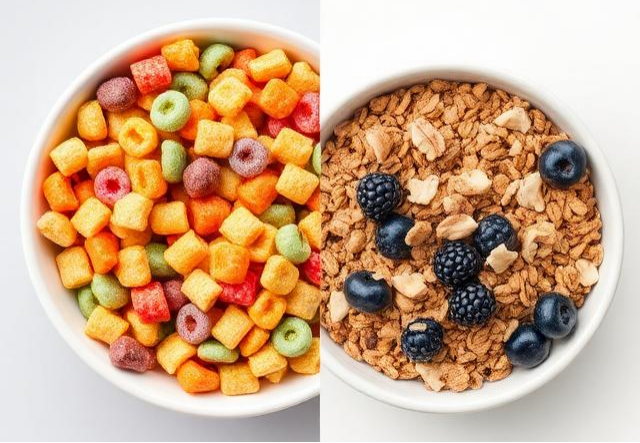
Children’s cereals are often the worst offenders when it comes to nutrition. They contain more sugar, less fiber, and aggressive marketing using cartoon characters and bright colors designed to manipulate young minds.
Cereals marketed to kids typically feature:
- Higher added sugar content than adult versions
- Lower nutritional value overall
- Packaging that appeals directly to children, bypassing parental judgment
Feeding your children sugary cereal daily can:
- Encourage sugar dependence from an early age
- Affect their focus, behavior, and energy levels
- Establish poor eating habits that last into adulthood
Healthier breakfast habits for children start with cutting sugar and increasing protein and whole foods. Your kids deserve better than a sugar rush disguised as nutrition.
How to Read a Cereal Nutrition Label Like a Pro
As women managing households and health decisions, we need to become label-reading experts. Here’s how to cut through marketing BS:
What to check first:
- Ingredient List: Shorter is better. Whole grains should appear first. If sugar (in any form) is listed in the top three ingredients, put it back.
- Added Sugar: Look for cereals with 5 grams or less per serving. Remember serving sizes are small—you’ll likely eat more.
- Fiber: Aim for at least 3–5 grams per serving from whole food sources.
- Protein: Higher protein means better satiety. Pair low-protein cereals with Greek yogurt, nuts, or seeds.
- Marketing Claims: Words like “natural,” “light,” or “healthy” are unregulated marketing terms, not nutritional guarantees.
Reading nutrition labels is a skill that empowers you to make informed choices instead of falling for clever packaging..
Healthier Alternatives to Traditional Breakfast Cereals
If you love cereal, you don’t have to give it up entirely you just need smarter options.
Better Cereal Choices:
- Low-sugar whole grain cereals (check labels carefully)
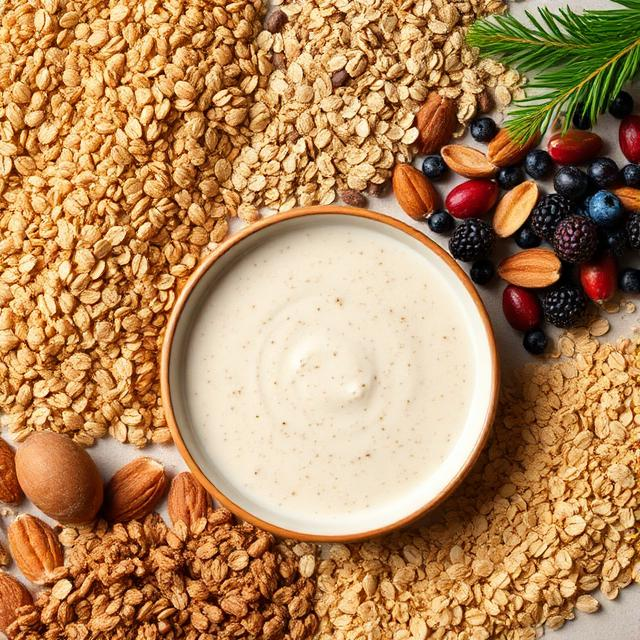
- Unsweetened muesli made with oats, nuts, and seeds
- Plain oats topped with fresh fruit and nut butter
Whole-Food Breakfast Alternatives:
- Steel-cut oatmeal with flaxseeds, berries, and almonds
- Scrambled eggs with whole-grain toast and avocado
- Greek yogurt parfait with granola (check sugar content) and fruit
- Smoothie bowls with protein powder, greens, and healthy fats
These options provide balanced nutrition, steady energy, and won’t leave you crashing mid-morning.
FAQs About Healthy Breakfast Cereal
Q. Is breakfast cereal good for weight loss?
Most high-sugar cereals are not ideal for cereal for weight loss. Low-sugar, high-fiber cereals can work when paired with protein sources like Greek yogurt or nuts.
Q. What is the healthiest breakfast cereal for women?
The healthiest options are low in added sugar (under 5g per serving), made with whole grains, and naturally high in fiber and protein. Brands like plain oats, unsweetened muesli, or minimally processed whole grain cereals fit this profile.
Q. Are whole grain cereals always healthy?
Not necessarily. Some whole grain cereal products still contain high amounts of added sugar and are heavily processed. Always read the full ingredient list and nutrition facts.
Q. Can cereal be part of a balanced breakfast?
Yes, but it should be combined with protein (Greek yogurt, nuts, seeds) and healthy fats to reduce blood sugar spikes and improve satiety.
Q. How do I know if a cereal is ultra-processed?
Check the ingredient list. If it contains refined grains, multiple forms of sugar, artificial additives, and long lists of unrecognizable ingredients, it’s likely ultra-processed foods.
Is Your Breakfast Cereal Actually Healthy?
Here’s the truth: some breakfast cereals are fine. Many are not.
If your cereal is low in added sugar, high in natural fiber, minimally processed, made with real whole grains, and paired with protein, it can absolutely be part of a healthy breakfast ideas routine.
But if it’s sweet, colorful, heavily marketed, and loaded with hidden sugars, it’s doing more harm than good—no matter what the front of the box claims.
As women, we deserve clarity, not confusion. We’re already managing enough. Once you know what to look for, choosing a truly healthy breakfast cereal becomes simple.
Stop letting cereal companies make decisions for you. Read the labels. Trust your instincts. And choose breakfast options that actually fuel your body instead of just filling a bowl.