The Shift Toward Healthier Home Fragrance
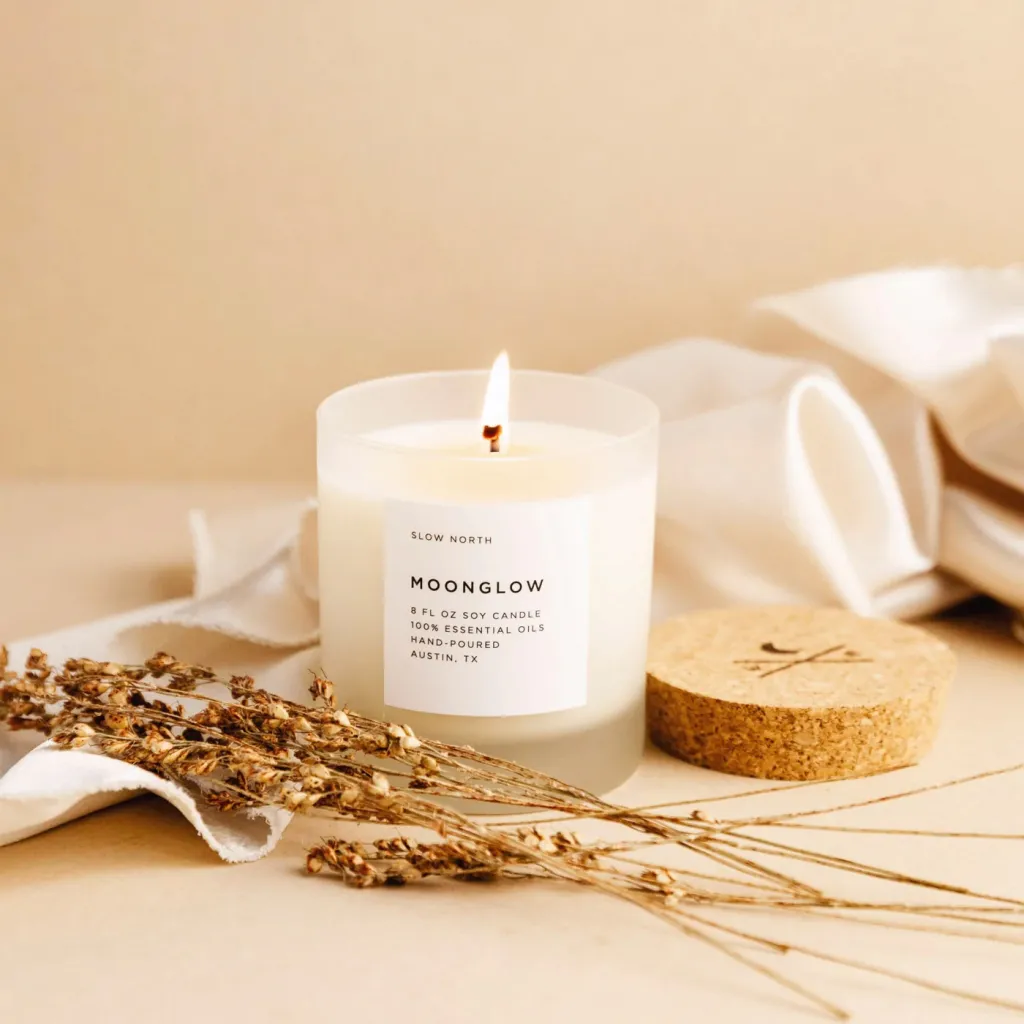
In recent years, the conversation around indoor wellness has expanded beyond air purifiers and organic food to include how we scent our homes. Non-toxic candles have emerged as a cornerstone of the conscious living movement. Unlike traditional paraffin-based options, these clean-burning alternatives prioritize human health and environmental integrity without sacrificing the cozy ambiance we all crave.
For many, lighting a candle is a ritual—a signal to the brain that it is time to decompress. However, if that ritual involves releasing petroleum-based soot into your living room, the benefits of relaxation are quickly offset by respiratory irritation. Choosing a safer alternative allows you to maintain your self-care routine while protecting your lungs. This transition is a vital part of a modern wellness lifestyle , ensuring that every element of your environment contributes to your vitality.
Decoding Chemical-Free Candle Ingredients
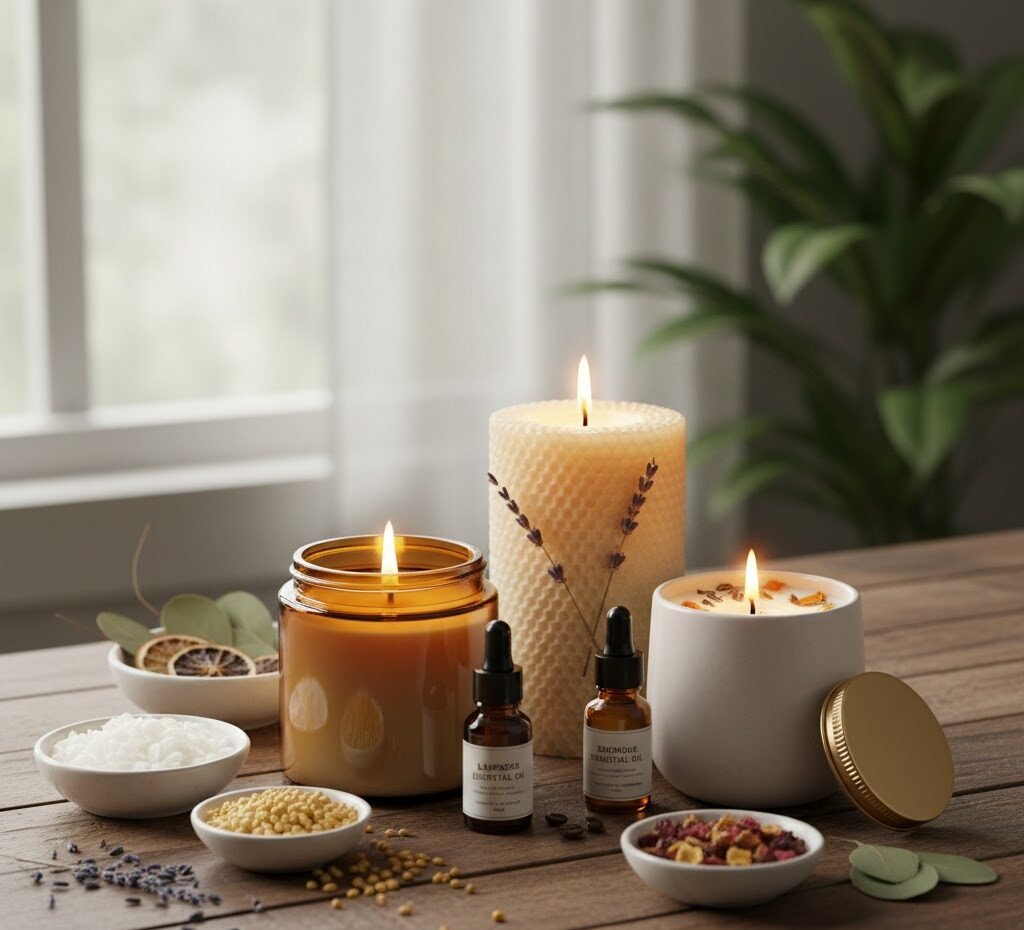
To understand why a candle is “non-toxic,” we must look at the raw materials. Most conventional candles are made from paraffin wax, which is a byproduct of the oil refinery process. When burned, paraffin can release chemicals that are literally industrial waste. In contrast, healthy alternatives utilize renewable, biodegradable bases.
1. Sustainable Wax Sources
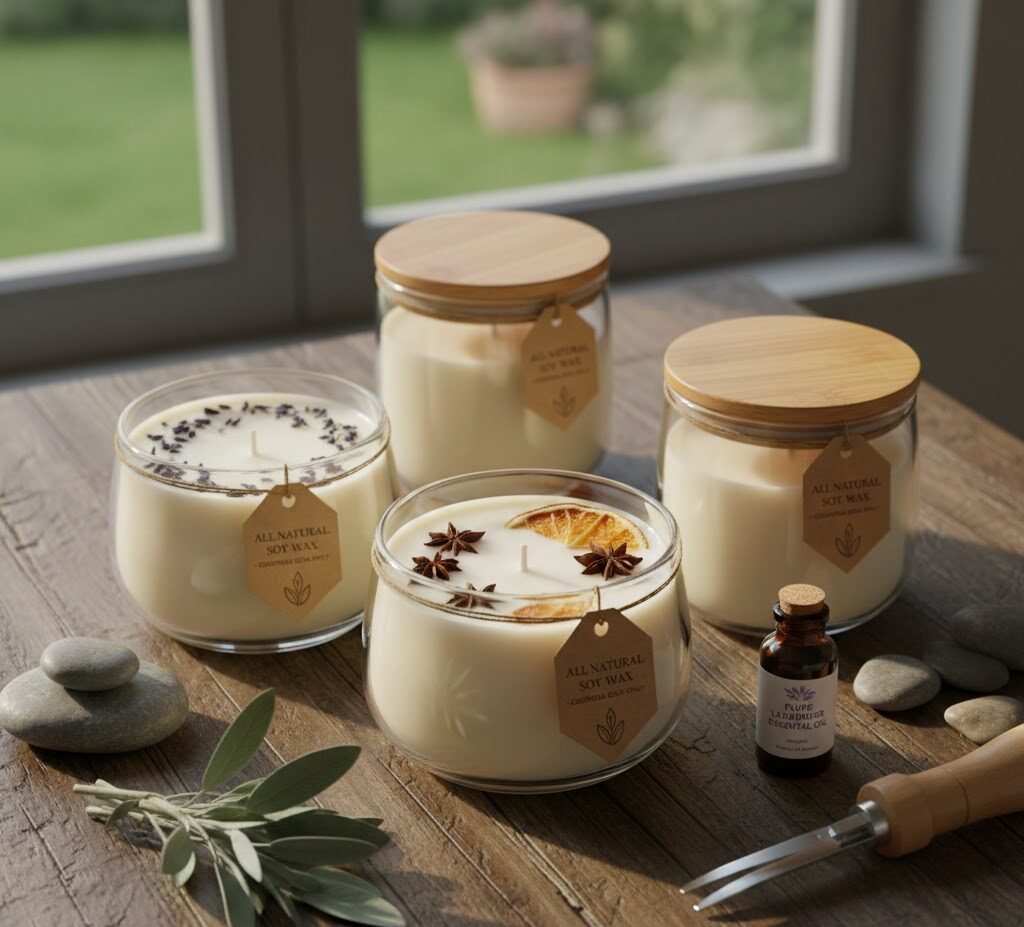
- Soy Wax: Derived from soybeans, this wax is vegan, carbon-neutral, and burns much slower than paraffin.
- Beeswax: A natural air purifier. Beeswax releases negative ions when burned, which help neutralize pollutants like dust and pollen.
- Coconut Wax: Often considered the “gold standard” for luxury candles, it has an incredible scent throw and a very clean burn profile.
2. Clean Wicks
The “toxic” element isn’t always the wax; sometimes it’s the wick. Older or lower-quality candles may use wicks with lead or zinc cores to keep them upright. Non-toxic candles use 100% organic cotton or FSC-certified wood wicks, ensuring that no heavy metals are vaporized into your breathing space.
3. Pure Scents
Synthetic fragrances often contain phthalates—chemicals used to make scents last longer but which are known endocrine disruptors. Clean candles rely on pure essential oils or phthalate-free fragrance oils to provide aroma without the risk of “candle headaches.
7 Key Health and Home Benefits
1. Significant Improvement in Air Quality
The most immediate benefit of switching to clean-burning candles is the reduction of indoor air pollution. Traditional candles can release “black soot” that settles on walls and inside your lungs. According to EPA Indoor Air Quality guidelines , reducing combustion sources is key to a healthy home. Natural waxes produce almost zero soot, keeping your air crisp and your furniture clean.
2. Reduced Exposure to Carcinogens
Paraffin wax, when heated, can emit benzene and toluene—two known carcinogens also found in diesel exhaust. By choosing plant-based waxes, you eliminate the primary source of these harmful VOCs (Volatile Organic Compounds) in your home.
3. Support for Respiratory Health
For individuals with asthma, allergies, or sensitive sinuses, synthetic perfumes can be a major trigger. Essential oil-based candles provide a “gentle fragrance” that is less likely to cause sneezing, congestion, or throat irritation.
4. Therapeutic Aromatherapy
Because these candles use real plant extracts, they offer genuine aromatherapy benefits. Lavender can physically lower your heart rate, while eucalyptus can clear your nasal passages. Synthetic candles can mimic the smell of lavender, but they cannot provide the physiological benefits.
5. Safe for Children and Pets
Pets have much more sensitive respiratory systems than humans. Birds, cats, and dogs are particularly susceptible to airborne toxins. Using non-toxic candles ensures that your furry family members aren’t breathing in concentrated chemicals.
6. Environmentally Responsible Choice
Most natural waxes are biodegradable and sourced from renewable farms. Paraffin is a non-renewable resource. By purchasing soy or coconut candles, you are supporting sustainable agriculture rather than the fossil fuel industry.
7. Longer Burn Times
While natural candles may have a higher upfront cost, they are more economical in the long run. Soy and beeswax have higher melting points than paraffin, meaning they burn significantly slower. A 10oz soy candle can outlast a 10oz paraffin candle by up to 50%.
How to Shop for Truly Safe Candles
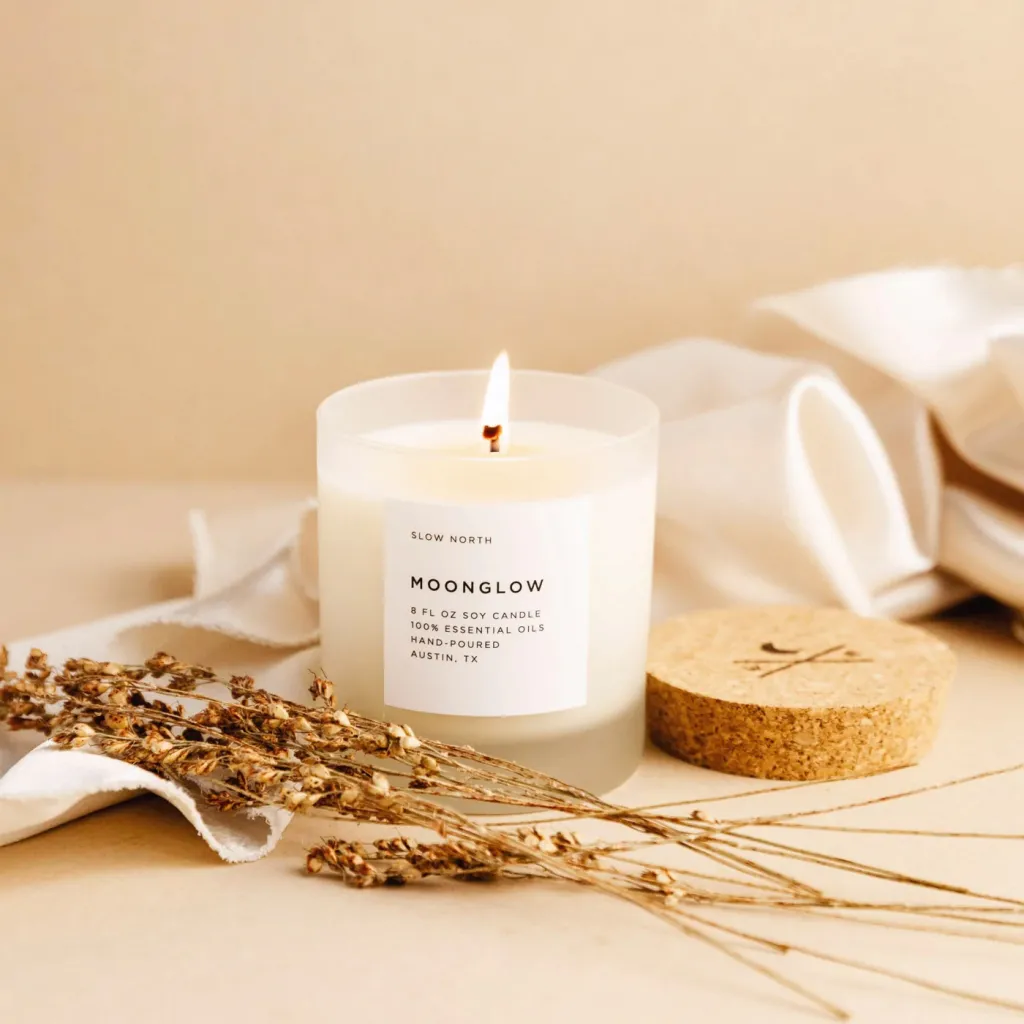
Greenwashing is common in the home decor industry. A candle might be labeled “Soy Blend” but still contain 49% paraffin. To ensure you are getting a high-quality product, follow these steps:
read the label
look for “100% Soy” or “100% Beeswax.” If it says “blend” without a percentage, be cautious.
check the wick
It should be braided cotton, paper, or wood. Avoid wicks that have a metallic core.
verify the fragrance
Look for the term “Phthalate-free” or “Scented with Essential Oils.”
transparency
Reputable brands will openly state where their wax is sourced and how their oils are formulated.
Maximizing Your Candle Experience
To get the most out of your healthy candles, proper maintenance is required. This not only makes the candle last longer but also ensures the cleanest possible burn.
- The “First Burn” Rule: The first time you light your candle, let it burn until the wax melts all the way to the edges of the jar. This prevents “tunneling,” where the candle burns down the center and wastes wax.
- Trim the Wick: Before every single light, trim the wick to about 1/4 inch. This prevents the flame from becoming too large and producing smoke.
- Avoid Drafts: Burning a candle near a window or fan causes the flame to flicker, which leads to uneven burning and increased soot.
- Extinguish Properly: Use a candle snuffer or dip the wick into the wax pool to extinguish it. This prevents the “after-smoke” that happens when you blow a candle out.
Designing a Conscious Living Space
Where you place your candles can enhance their benefits.
- The Bedroom: Use Lavender or Chamomile 30 minutes before sleep to prime your body for rest.
- The Home Office: Peppermint or Lemon can increase focus and mental clarity during the workday.
- The Bathroom: Turn your bath into a spa with Eucalyptus or Sandalwood.
By choosing non-toxic candles, you are making a statement that your health and the health of the planet are priorities. It is a small change that yields significant results for your indoor environment and overall well-being.
FAQs
Q: Do natural candles smell as strong as regular ones? Natural candles have what we call a “sophisticated throw.” They may not be as overwhelming as synthetic candles, but they provide a more realistic and pleasant aroma that fills a room without causing irritation.
Q: Are wood wicks better than cotton wicks? Both are excellent non-toxic choices. Wood wicks provide a unique crackling sound similar to a fireplace, while cotton wicks provide a traditional, steady flame.
Q: Why is my soy candle frosting on top? “Frosting” is a natural characteristic of 100% soy wax. It is actually a sign that your candle is pure and doesn’t contain chemical stabilizers. It does not affect the burn quality or scent.
Conclusion
The move toward non-toxic candles is more than just a trend; it is a necessary adjustment for anyone looking to optimize their home health. By eliminating paraffin, phthalates, and lead wicks, you create a space that is truly restorative. These candles offer a cleaner burn, therapeutic benefits, and a smaller environmental footprint.
Investing in high-quality, sustainable home fragrance is a simple way to practice conscious living every day. Your home should be your sanctuary—make sure the air you breathe inside it is as pure as possible.