
Nobody hands you a manual when you become a parent, and that’s both the most terrifying and the most magical part of the journey.
One minute you’re staring at a tiny human wondering what they need, and the next you’re Googling “why is my toddler throwing broccoli at the ceiling” at 2 a.m. Sound familiar?
The truth is, every new parent feels overwhelmed at some point. But the good news? With the right parenting tips for beginners, you can build the confidence and skills to navigate those early years and actually enjoy them.
In this guide, you’ll discover practical, research-backed strategies covering everything from building emotional connections and setting healthy routines to managing screen time and handling toddler tantrums. Whether you’re holding a newborn or chasing a curious three-year-old, this is the beginner’s roadmap you’ve been looking for.
1. Building a Strong Emotional Foundation From Day One
Before routines, discipline, or milestones the single most powerful thing you can do as a new parent is build a deep, trusting emotional bond with your child. Attachment science consistently shows that children who feel securely connected to their caregivers grow up with better mental health, stronger social skills, and greater resilience.
1.1 The Power of Responsive Parenting
Responsive parenting means tuning in to your child’s cues and reacting with warmth and consistency. When your baby cries, you respond. When your toddler is scared, you comfort. This predictability teaches your child that the world is safe and that you can be trusted.
Key ways to practice responsive parenting:
- Make eye contact and smile during everyday interactions
- Narrate what you’re doing — “Now I’m changing your diaper, nice and warm!”
- Hold, cuddle, and carry your baby — you cannot “spoil” an infant with affection
- Validate feelings: “I can see you’re frustrated. That’s okay.”
1.2 Emotional Intelligence Starts Early
Children learn to understand and manage emotions by watching you. When you name your own feelings out loud “I feel a little tired right now, so I’m going to take a deep breath” you’re teaching emotional vocabulary and regulation without a single lesson plan.
According to child development experts at the American Academy of Pediatrics, children with high emotional intelligence show better academic performance and healthier peer relationships throughout their lives.
Resource: https://shesimplifies.com/
1.3 Skin-to-Skin and Physical Bonding
For newborns, skin-to-skin contact regulates body temperature, reduces stress hormones, and strengthens the parent-child bond. For older babies and toddlers, physical play wrestling, dancing, hugging releases oxytocin and reinforces security. Don’t underestimate the developmental power of simply being physically present and playful.

2. Parenting Tips for Beginners: Routines, Sleep, and Daily Structure
Chaos is the natural habitat of young children — but structure is what helps them thrive inside that chaos. Creating predictable daily routines is one of the most effective parenting tips for beginners because it reduces anxiety for both kids and parents.
2.1 Why Routines Matter More Than Schedules
A schedule says “bath at 7:00 p.m.” A routine says “after dinner, we have a bath, then book, then bed.” Routines are flexible sequences, not rigid timelines. Children find comfort in knowing what comes next it reduces power struggles and builds a sense of security.
Start with a simple morning routine:
- Wake up → diaper/potty → breakfast → play → nap
And a calming bedtime routine:
- Bath → pajamas → one or two books → goodnight cuddle → lights out
2.2 Cracking the Sleep Code
Sleep deprivation is every new parent’s nemesis. Here are realistic, evidence-based sleep tips:
- Newborns (0–3 months): Sleep in 2–4 hour stretches — this is biologically normal
- Babies (4–12 months): Aim for 12–16 hours total; begin gentle sleep associations
- Toddlers (1–3 years): 11–14 hours with one nap; consistent bedtime is key
- Avoid screen exposure within 1 hour of sleep — blue light suppresses melatonin
- Keep the sleep environment dark, cool, and white-noise-friendly
2.3 Feeding Without Stress
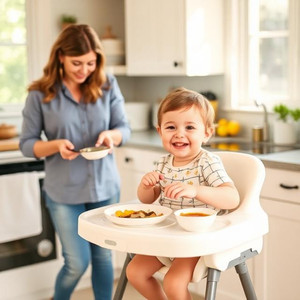
Whether you breastfeed, formula-feed, or do both, fed is best. As your child grows into solids, focus on variety, not battles. The Division of Responsibility model (by dietitian Ellyn Satter) works brilliantly: you decide what and when food is offered; your child decides whether and how much to eat. This approach prevents power struggles and builds healthy eating habits naturally.
3. Positive Discipline: Guiding Behavior Without Breaking Their Spirit
Discipline does not mean punishment it means teaching. This is one of the most misunderstood areas of child-rearing, and getting it right can transform your relationship with your child.
3.1 Understanding Child Behavior
A two-year-old melting down over a broken cracker is not being manipulative. They’re a small human with a massive limbic system and a barely developed prefrontal cortex. Understanding child development stages helps you respond with empathy instead of frustration.
Common behavior by age:
| Age | Typical Behavior | Parent Strategy |
| 0–12 months | Crying, clinging, separation anxiety | Respond consistently; build trust |
| 1–2 years | Tantrums, testing limits, “no!” phase | Stay calm; offer limited choices |
| 2–3 years | Defiance, pushing boundaries | Use simple rules and natural consequences |
| 3–5 years | Lying, imaginary play, social testing | Praise effort; explain feelings |
3.2 Effective positive reinforcement techniques:
- Specific verbal praise: name the exact behavior you’re celebrating
- Sticker charts for toddlers: visual rewards create motivation
- Quality one-on-one time as a reward: 10 minutes of undivided attention
- Natural consequences over time-outs: logical, respectful, and effective
3.3 Managing Tantrums With Calm Authority
Tantrums are a developmental norm, not a parenting failure. When one hits:
- Stay physically calm — crouch to their level, speak slowly
- Don’t reason mid-meltdown — the emotional brain can’t hear logic right now
- Create safety: “I’m right here. I’ve got you.”
- After they calm down, name what happened: “You were so upset the toy broke.”
- Move on without shaming — no lectures, no “I told you so”
4. Essential Parenting Tips for Beginners:
4.1 Screen Time: A Realistic Approach
The American Academy of Pediatrics recommends no screen time (except video calls) for children under 18 months, and limited high-quality content for ages 2–5. But perfection isn’t the goal intentionality is.
Practical screen time guidelines:
- Watch together when possible and talk about what you’re seeing
- Use screens as a transition tool, not a pacifier for every emotion
- Prioritize outdoor play, reading, and social interaction every day
- Create screen-free zones: mealtimes, bedrooms, and the first hour of mornings
4.2 Prioritizing Your Own Well-Being
Here’s a truth new parents often hear but rarely believe: you cannot pour from an empty cup. Parental burnout is real, it’s documented, and it affects your children when you run on fumes. Self-care isn’t selfish — it’s a prerequisite for effective parenting.
Sustainable self-care for new parents:
- Sleep when and how you can it’s not a luxury, it’s essential
- Ask for help: from partners, family, and community
- Maintain at least one adult friendship or support group
- Know the signs of postpartum depression and anxiety — and seek help without shame
4.3 Well-Child Visits and Developmental Milestones
Stay up to date with your pediatrician’s recommended visit schedule. These appointments aren’t just about vaccines they’re your chance to track developmental milestones, raise concerns, and get personalized guidance. Trust your instincts: if something feels off, speak up. You know your child better than anyone.

FAQs
Q1: What are the most important parenting tips for beginners?
The essentials come down to three pillars: build a secure emotional bond, create consistent routines, and use positive, age-appropriate discipline. Everything else flows from these foundations. Focus on connection first rules and routines become much easier once your child trusts you.
Q2: How do I handle a toddler tantrum in public?
Stay calm and avoid reacting to the “audience.” Crouch down, speak quietly, and acknowledge the emotion: “I know you’re upset.” If the behavior is unsafe, calmly remove your child from the situation. Don’t bargain or give in this teaches that tantrums are effective. After they calm down, reconnect with a hug, then briefly explain what happened.
Q3: When should I start a bedtime routine?
As early as 6–8 weeks. Even newborns benefit from a consistent wind-down sequence: dimmed lights, a bath, feeding, and quiet time before sleep. The earlier you establish a bedtime routine, the faster sleep becomes easier for everyone.
Q4: Is it okay to let my baby cry it out?
Approaches vary widely and depend on your child’s age, temperament, and your family’s values. Most pediatric sleep experts agree that some form of graduated sleep training (like the Ferber method) is safe after 4–6 months and does not cause lasting emotional harm when done with warmth and consistency. However, there is no single right answer choose the approach that works best for your family.
Q5: How much screen time is too much for a toddler?
For ages 2–5, the American Academy of Pediatrics recommends no more than one hour per day of high-quality, age-appropriate content. Under age 2, limit screens to video calls only. Focus on the quality of content and whether you’re watching together co-viewing with discussion dramatically reduces any negative effects.
Conclusion
Parenting is the most rewarding and most humbling journey you’ll ever take. There’s no such thing as a perfect parent, but there is such a thing as a present, warm, and intentional one.
To recap the key parenting tips for beginners covered in this guide:
- Build a secure emotional bond through responsive, affectionate parenting
- Create flexible routines that give your child predictability and comfort
- Use positive discipline that teaches rather than punishes
- Approach screen time and sleep with evidence-based, guilt-free strategies
- Take care of yourself, you are the most important resource your child has
You won’t get every moment right. But showing up with love and intention, day after day, is more than enough.
✉️ Join the Conversation
Did any of these tips resonate with you? Have a parenting win or challenge you’d like to share? Drop it in the comments below your experience might be exactly what another new parent needs to hear today.
If you found this guide helpful, share it with a friend who’s expecting or newly parenting. And don’t forget to follow us for more practical, real-world parenting advice every week.