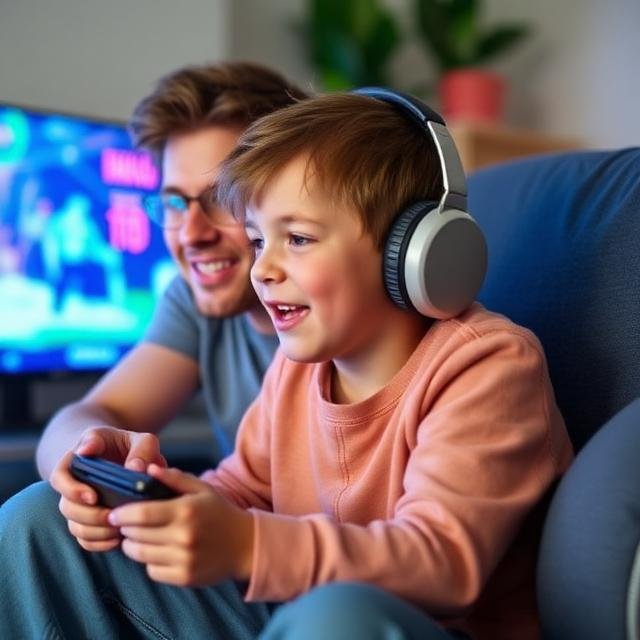
If there’s one topic that sparks endless debates in homes, schools, and parenting groups, it’s video games and children. Some people call games distracting, others swear they boost intelligence, and many parents stand somewhere in between—unsure of what to believe. The reality is simpler: games themselves aren’t good or bad. What matters is how kids use them, what they play, and how adults guide their experiences.
Think of gaming like any powerful tool. In the right environment, it encourages learning, creativity, and connection. Without boundaries, it can become overwhelming or expose children to things they’re not ready for. This guide walks you through every angle so you can make confident, informed decisions that actually support your child.
Table of Contents
- Why Video Games and Children Is Such an Important Topic
- Understanding the Benefits of Gaming
- Risks and Red Flags Parents Should Know
- Building Healthy Gaming Habits
- Managing Online Play and Safety
- Choosing the Right Games for Your Child
- Frequently Asked Questions
Why Video Games and Children Matter Today
Even if you’re not a gamer yourself, your child is growing up in a world where digital play is the new playground. Kids don’t just use screens for entertainment they use them for learning, communicating, and exploring ideas. That means understanding gaming is not a “tech thing”; it’s a parenting skill.
Games today are social spaces. Children chat with friends, build virtual worlds, design characters, solve puzzles, and even collaborate with people across the globe. For many kids, this is their most active creative outlet.
But here’s the other side:
Without rules or awareness, these same games can overload their minds, pull them away from routines, expose them to strangers, or create unhealthy habits.
Finding the right balance—supportive, structured, and age-appropriate—is what keeps gaming positive instead of disruptive.
The Benefits of Video Games for Children
Here’s the thing—gaming isn’t just entertainment. Research keeps proving that when you choose thoughtful games and set reasonable limits, kids can gain meaningful cognitive, emotional, and social benefits. It’s not about stopping gaming—it’s about guiding it.
1. Cognitive Benefits
Many games act like hidden brain workouts. What looks like “just playing” is often a mix of complex tasks that challenge kids to think strategically and solve problems under pressure.
Adventure, puzzle, strategy, and open-world games push children to plan, analyze, explore, and adapt. These are the same skills they need for school, decision-making, and real-life problem-solving.
How Games Improve Cognitive Skills
Here’s what happens inside a child’s brain when they’re playing well-designed games:
• Faster Information Processing
Kids learn to analyze situations quickly—like recognizing patterns, anticipating moves, or reacting to sudden changes. Games demand rapid thinking, which improves processing speed over time.
• Improved Memory Recall
Children store details about tasks, levels, characters, and strategies. Remembering steps, locations, or item combinations strengthens working memory—useful for academics and everyday learning.
• Better Attention Control
Games often require sustained focus. Whether solving puzzles or completing missions, children practice filtering distractions and staying engaged—skills that transfer to studying and classroom behavior.
• Enhanced Spatial Awareness
Navigating maps, building structures, and imagining 3D environments sharpen spatial reasoning. This helps with subjects like math, geometry, engineering, and even reading comprehension.
Many parents are genuinely surprised by how much “learning disguised as fun” gaming provides. Kids don’t even realize they’re developing important cognitive abilities because they’re fully engaged.
2. Emotional and Psychological Benefits
Games don’t just train the mind—they also influence how kids feel, express themselves, and respond to challenges. When done right, gaming supports emotional growth in ways many offline activities don’t.
Here’s what children gain:
• Build Confidence
Completing levels, unlocking achievements, and overcoming obstacles give kids a sense of accomplishment. This builds a strong “I can do it” mindset.
• Experience Mastery
Games allow children to practice skills repeatedly until they improve. That process of learning, failing, improving, and succeeding builds long-term resilience.
• Learn From Failure
In games, failure is temporary. Kids quickly learn that losing isn’t the end—it’s just part of progress. This teaches persistence without fear.
• Reduce Stress
Light, relaxing games offer an emotional break after school or during stressful times. They help children unwind in a safe, controlled way.
Some games—especially story-driven or choice-based ones—help kids understand emotions, navigate conflict, and build empathy by placing them in different roles or perspectives.

3. Social Benefits
Children today don’t just play games—they socialize through them. For many kids, gaming is the new version of hanging out at a friend’s house. These platforms give them a place to talk, compete, share ideas, and solve problems together.
Popular multiplayer titles naturally encourage skills like:
• Teamwork
Kids learn how to rely on others, divide tasks, and work toward shared goals. Whether they’re completing missions or building something together, teamwork becomes second nature.
• Leadership
Games often rotate roles. Sometimes your child leads the group, makes decisions, or sets strategies. This helps them practice responsibility and communication in a low-pressure setting.
• Communication Skills
To succeed in cooperative games, children must explain plans, listen to others, and coordinate actions. This sharpens both verbal and non-verbal communication.
• Collaboration
Many games are built around creating, exploring, or solving problems with others. Kids learn how to negotiate, compromise, and support teammates.
It’s also common for children to form genuine friendships through gaming communities. These relationships can become supportive, long-lasting, and meaningful—especially for kids who are shy or struggle socially in school.
The key, of course, is safe and mindful supervision. When you understand who they’re playing with and how they’re interacting, the social benefits far outweigh the risks.
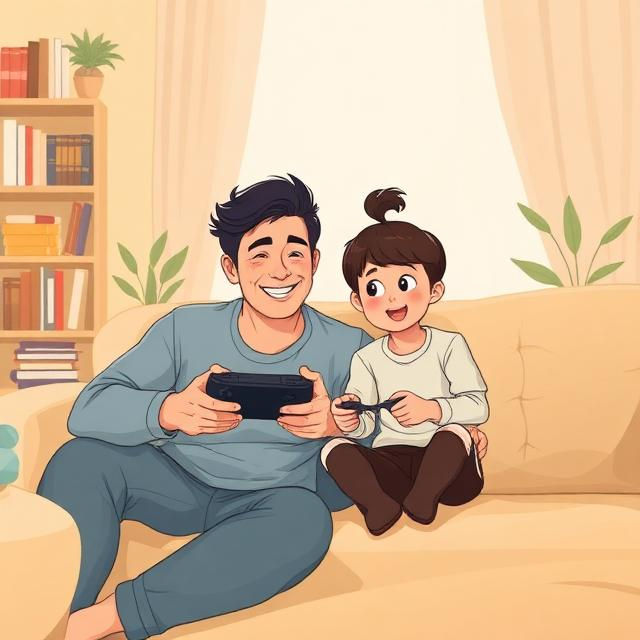
The Risks and Red Flags in Video Games and Children
Of course, gaming isn’t risk-free. But here’s the thing—you don’t need to ban games to keep your child safe. What matters is learning the red flags, knowing what unhealthy patterns look like, and stepping in early when things feel off.
Balanced gaming can be healthy; unmanaged gaming can slowly take over routines. The goal is awareness, not fear.
1. Excessive Screen Time
Too much play affects more than just “too much sitting.” Long, unstructured gaming sessions can disrupt a child’s overall rhythm and routine, especially when they start replacing essential daily habits.
Excessive gaming can impact:
• Sleep
Kids who game late into the night may struggle to fall asleep or wake up tired. Blue light, excitement, and long sessions all interfere with rest.
• Mood
Irritability, frustration, or emotional ups and downs can appear when a child is overstimulated or overly attached to the game.
• Physical Activity
When gaming becomes the main hobby, outdoor play or exercise can drop dramatically—especially important for growing bodies.
• Academic Performance
Homework delays, unfinished assignments, and reduced focus often show up when gaming time isn’t managed well.
Signs of unhealthy use
These signs don’t mean your child is addicted—they simply mean the boundaries need adjusting:
• Meltdowns when it’s time to stop
If stopping the game consistently triggers anger or tears, it’s a signal that routines aren’t balanced.
• Neglecting meals or schoolwork
Skipping lunch, delaying homework, or forgetting chores because of gaming shows that priorities need to be reshaped.
• Losing interest in offline hobbies
When kids start dropping sports, reading, drawing, or playtime with family, it’s time to reevaluate gaming hours.
These early signs are easier to correct with firm but supportive adjustments—clear schedules, device-free hours, and consistent expectations.
2. Exposure to Unsafe Online Spaces
Online gaming opens wonderful opportunities, but it also exposes children to people and content outside your control. The biggest risks come from environments where anonymity makes harmful behavior easier.
Online spaces can expose kids to:
• Strangers
Kids may chat or play with unknown players who aren’t always safe or age-appropriate.
• Cyberbullying
Trash-talk and harassment are common in competitive settings. This can affect a child’s confidence and emotional wellbeing.
• Inappropriate content
Some groups or chats may include language, jokes, or images that aren’t meant for young players.
• Manipulative microtransactions
Games often include designs that push children to spend money impulsively or pressure parents to buy upgrades.
Parents should especially watch for:
• Voice chat with unknown players
Open conversations with strangers can lead to unsafe interactions or rude behavior.
• Messages from strangers
Direct messages, friend requests, or invitations from unknown players should always be monitored.
• Negative gaming communities
Toxic, aggressive, or hostile groups can influence a child’s mindset more than you might think.
To stay informed, you can review online safety guides from trusted sources like UNICEF:
External Link: https://www.unicef.org

3. Dark Patterns and In-Game Purchases
Here’s the thing—many modern games are built around psychological tricks that push children to keep playing or spend money without realizing it. These tricks are called dark patterns, and they’re becoming more common in mobile games and even kid-friendly titles.
Kids are especially vulnerable because they don’t fully understand marketing tactics or delayed gratification. Some common examples include:
- Endless upgrades
Games keep offering “just one more level,” “just one more skin,” or “just one more boost.” Kids end up feeling like the game is never complete unless they keep upgrading. - Limited-time offers
A countdown timer pops up, making the child think they’ll “miss out” unless they buy now. This taps into their fear of losing something special. - Loot boxes
These are basically digital “mystery boxes” you pay for. Kids don’t know what they’ll get—sometimes it’s great, sometimes it’s useless. Because it’s unpredictable, it keeps them spending, the same way slot machines hook adults.
All this doesn’t mean gaming is bad. It simply means understanding the mechanics helps you guide your child from a stronger position. Once you know how these tricks work, you can teach your kid to spot them, making them smarter and more responsible players.
Building Healthy Gaming Habits for Children
Now let’s shift to solutions. Children and video games can coexist in a healthy way—you just need a structure that works for your home. Here are practical ways to build that system.
1. Create a Family Gaming Plan
A gaming plan doesn’t need to be complicated. It’s simply a set of expectations everyone understands. This helps avoid fights, surprises, or power struggles.
Your family plan can include:
- Playtime boundaries
Decide when and how long gaming is allowed. Maybe it’s okay after homework or only on weekends—whatever fits your routine. - No-screen zones
Bedrooms, dinner tables, and study areas can be screen-free spaces. This helps with sleep, focus, and family connection. - Approved game list
Choose age-appropriate games beforehand. Checking ESRB ratings saves you from last-minute problems. - Rules for communication
Decide whether voice chat is allowed, who they can talk to, and how you’ll monitor it.
A clear plan sets expectations and reduces conflict before it even starts.

2. Balance Digital Life with Real Life
Kids thrive when there’s balance. A simple method many parents use is the 1:1 rule:
1 hour of productive activity = 1 hour of gaming.
Productive activities can include:
- Outdoor play (sports, cycling, walking)
- Reading
- Homework or study
- Helping at home with chores
- Creative hobbies (drawing, puzzles, crafts)
- Family conversations or shared activities
This teaches kids a valuable life skill—gaming is a reward, not the default activity. It also prevents long, unstructured screen time from sneaking into their day.
When you shift gaming from “always available” to “earned,” the tension around it often drops dramatically.
3. Co-Play With Your Child
This part is powerful and often overlooked. Playing games with your child changes everything.
When you co-play:
- You understand the game better
You’ll see what they enjoy, what they struggle with, and how the game influences them. - You bond naturally
Instead of nagging them to stop playing, you become part of their world. - You can guide behavior without lecturing
During the game, you can teach sportsmanship, patience, strategy, and kindness. - You reduce secrecy
When kids feel you’re involved, they are less likely to hide interactions, purchases, or negative experiences.
Think of co-playing not as supervising but as sharing a moment. Even 10–15 minutes a few times a week makes a huge difference in communication and trust.
Managing Online Play and Safety
Online play can be exciting for kids, but without some structure it can also expose them to things they’re not ready for. The goal isn’t to block their fun — it’s to make sure they play in a safe, controlled environment where they can enjoy games and still stay protected.
1. Privacy Settings
Most games today come with built-in privacy tools, but parents often don’t know they exist. A few quick adjustments can completely change how safe your child is while playing online.
Turn off:
- Location sharing
Kids shouldn’t reveal where they live, even accidentally. Games that share location data can put them at risk. - Public chats
Open chatrooms let anyone communicate with your child, including older players or strangers. - Automatic friend requests
Some games automatically accept requests unless you disable the setting. Turning it off means your child only connects with people you approve.
Enable:
- Private lobbies
These are controlled rooms where only invited players can join. Perfect for siblings, cousins, or school friends. - Parental controls
Most platforms like PlayStation, Nintendo, Xbox, and mobile app stores include parental dashboards. They allow you to set screen limits, block strangers, and restrict purchases. - Age filters
These filters make sure your child is only matched with players in their age group and avoids content designed for older teens or adults.
Small adjustments like these drastically reduce the chances of unwanted interactions.
2. Teach Kids About Online Behavior
Even with the best settings, kids still need to know how to protect themselves. Think of this like teaching them road safety — once they learn the basics, they can navigate the online world with more confidence.
Kids should understand:
- Never share their real name
Encourage them to use a unique username—not their actual identity. - Never share pictures
Images can reveal personal information, surroundings, or school uniforms. - Never meet gaming friends offline
Online friends may not be who they claim to be. Teach your child that online friendships stay online. - How to block and report
Show them where the buttons are. Kids feel more confident when they know how to protect themselves.
These tiny lessons prevent massive problems later. Most risky moments happen simply because a child didn’t know how to respond.
Choosing the Right Games for Your Child
The truth is simple: some games are designed to educate, inspire creativity, and encourage teamwork. Others may be too violent, too addictive, or filled with unsafe interactions. Choosing the right games helps your child enjoy the benefits while avoiding unnecessary risks.
Use Rating Systems
Before downloading any game, take a minute to check what trusted rating systems say. These ratings explain what kind of content your child may encounter.
Check:
- ESRB ratings (North America)
Categories like E for Everyone, E10+, T for Teen, or M for Mature give parents a quick snapshot of violence, language, and online interactions. - PEGI ratings (Europe and many regions worldwide)
PEGI includes numbers like 3, 7, 12, 16, or 18, along with icons that show whether the game includes fear, gambling, bad language, or online play. - Parent reviews
Websites like Common Sense Media give honest, parent-focused feedback about game content, time requirements, and emotional impact.
These tools help you make informed choices instead of guessing based on the cover or trailer.
Look for These Qualities in Good Games
When choosing games, you’re not just preventing harm — you’re also looking for experiences that help your child grow, learn, and have meaningful fun.
Here are qualities to look for:
- Open-ended creativity
Games that let kids build, design, or create (like Minecraft or LEGO games) strengthen imagination and problem-solving. - Problem-solving
Strategy games, puzzles, and adventures encourage kids to think critically and plan ahead. - Good storytelling
Some games have meaningful narratives that help children understand emotions, empathy, and decision-making. - Cooperation, not toxicity
Games that reward teamwork instead of competition teach kids to communicate and collaborate. - No manipulative design
Choose games without aggressive ads, loot boxes, or constant pressure to spend money.
When you pick games with these values, your child gets the fun and the developmental benefits — the best of both worlds.
Table: Types of Games & Their Impact
| Game Type | Examples | Benefits | Risks |
| Puzzle | Tetris, Monument Valley | Problem-solving | Low risk |
| Adventure | Zelda, Journey | Creativity, emotional development | Mild fantasy violence |
| Strategy | Civilization, StarCraft | Planning, logic | Complex for younger kids |
| Shooter | Fortnite, Apex | Teamwork, reaction time | Violence, toxic chats |
| Sandbox | Minecraft, Roblox | Creativity, collaboration | Unsafe chats if unsupervised |
FAQs About Video Games and Children
1. How much screen time is safe?
Most experts suggest 1–2 hours of gaming per day for school-aged children, but quality matters more than the clock.
2. Are violent games harmful?
Violence doesn’t automatically cause aggression, but highly violent games aren’t suitable for younger kids. Choose development-friendly options.
3. Is gaming addiction real?
Behavioral addiction exists, but it’s rare. Look for signs like ignoring personal needs, sleep disruption, or extreme mood swings.
4. Can games make my child smarter?
Certain games boost problem-solving, creativity, and coordination. Just choose wisely.
5. Should I allow online gaming?
Yes—with boundaries, privacy settings, and parental involvement.
Final Thoughts
Video games and children don’t have to be a constant point of worry. Once you understand how today’s gaming world actually works, it becomes much easier to guide your child with confidence instead of fear. The real magic happens when parents stay involved—asking questions, checking in, and staying curious about what their kids enjoy.
When you choose games that match your child’s age, set clear limits, and stay present in their gaming life, the whole experience shifts. Gaming stops being a distraction and becomes an opportunity: a place where your child builds skills, explores creativity, solves problems, and even strengthens friendships.
At the end of the day, screens aren’t raising kids—parents are. And with the right approach, video games can fit into your child’s world as something positive, balanced, and genuinely enriching. The goal isn’t perfection; it’s awareness, communication, and connection.
If you treat gaming the same way you treat any other part of your child’s life with boundaries, support, and a bit of patience you’ll find that it can be a healthy, fun, and rewarding part of their development.





1 thought on “10 Powerful Insights About Video Games and Children Parents Must Know”