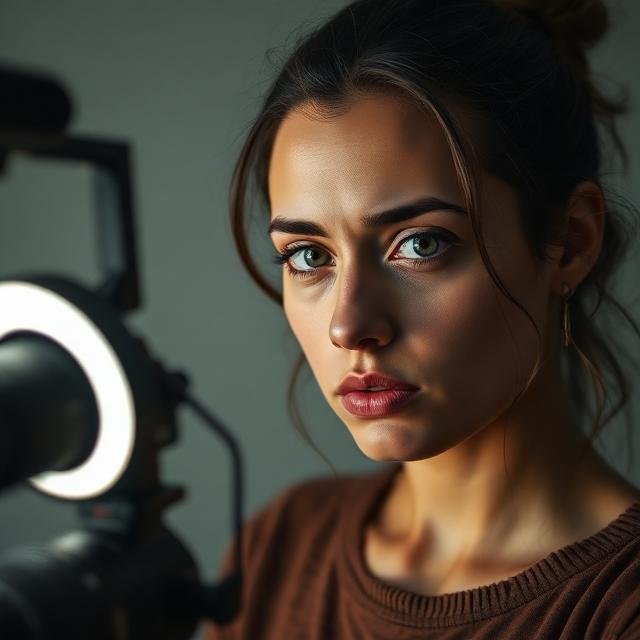
Let me tell you something uncomfortable: the moment someone calls me an “influencer,” I cringe. Not because I’m ashamed of what I do, but because that single word erases everything I actually am.
I’m a writer. A thinker. A woman building something meaningful online. But call me an influencer, and suddenly I’m just another person selling things to people who don’t need them.
Understanding content creator vs influencer isn’t about semantics or ego. It’s about identity, integrity, and how women are perceived in digital spaces. This label carries weight we didn’t ask for and baggage we didn’t create.
So let’s talk about why so many of us reject it and why that matters.
How the Influencer Label Became Toxic
The influencer culture started with genuine intent. Early digital voices built communities, shared expertise, and created real connections. Brands noticed, partnerships formed, and “influencer” became shorthand for someone with online impact.
But somewhere along the way, the meaning shifted. What once described authentic connection now signals commercial performance. The word stopped representing who we are and started representing what brands want us to be.
Today, influencer culture problems are everywhere: fake followers, misleading endorsements, curated perfection, and constant promotion disguised as advice. Even if you’ve never participated in any of that, the label sticks you with the reputation anyway.
For women especially, this creates a double bind. We’re already fighting stereotypes about being superficial, materialistic, or attention-seeking. The influencer label reinforces every tired assumption people hold about women online.
Reason #1: The Influencer Label Immediately Destroys Trust
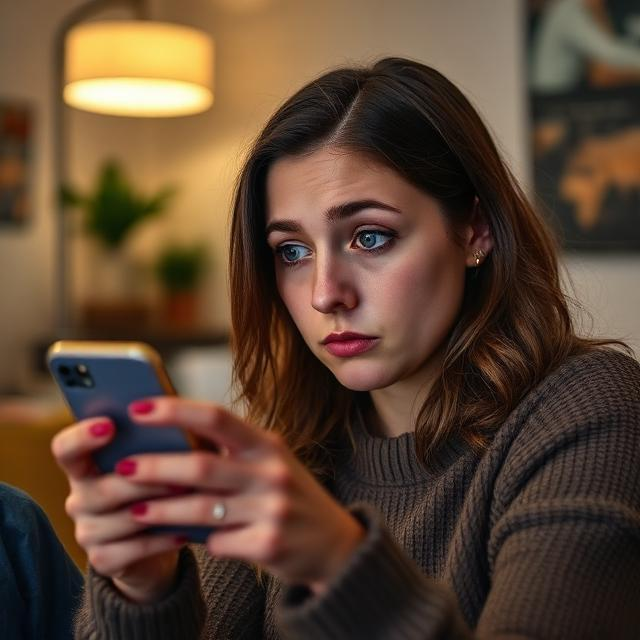
Here’s what happens the second someone labels you an influencer: your audience stops believing you.
They wonder if your opinions are your own or shaped by sponsorships. They question whether that recommendation is genuine or paid and assume every post has an agenda, even when it doesn’t.
This influencer trust issues dynamic creates an impossible situation for women creators. We work hard to build authentic connections, share real experiences, and provide genuine value. Then one word—”influencer”—makes people doubt everything.
The irony? Men with large followings are called experts, thought leaders, or entrepreneurs. Women with the same reach get called influencers. The label itself is gendered, and it carries judgment men rarely face.
Trust becomes harder to earn and easier to lose when you’re fighting against a reputation you never created but can’t escape.
Reason #2: It Reduces Meaningful Work to Just Marketing
I spend hours researching, writing, creating, editing. I share knowledge, tell stories, solve problems, build community. But call me an influencer, and all of that gets compressed into one thing: selling.
This is one of the biggest women content creators struggles. We’re educators, writers, strategists, advocates, professionals. Being labeled an influencer erases the actual work and reduces everything to promotion.
The focus shifts from substance to persuasion. Value becomes secondary to reach. Depth gets dismissed in favor of visibility. For women already fighting to be taken seriously in professional spaces, this reduction is particularly damaging.
Content creator vs influencer isn’t just about preferred terminology it’s about how our work is valued. Creators make things. Influencers sell things. One centers contribution; the other centers commerce.
When people see “influencer,” they stop asking what you know and start asking who’s paying you. That shift undermines everything we build.
Reason #3: The Term Carries Gendered Baggage and Negative Reputation
Let’s be honest: influencer stigma hits women harder than men.
When a man promotes a product, he’s “monetizing his expertise.” When a woman does it, she’s “shilling.” A man builds a following, he’s “growing his platform.” A woman does it, she’s “seeking attention.”
The influencer label amplifies these double standards. It comes with assumptions about vanity, superficiality, and manipulation stereotypes women have been fighting against forever.
Influencer culture problems like fake followers, misleading endorsements, and exaggerated lifestyles have created a credibility crisis. Even if you’ve never participated in any of that behavior, the label makes people judge you through that lens.
This creates an unfair starting point. Before someone even engages with your content, they’ve already decided you’re probably inauthentic, probably commercial, probably not worth trusting.
For women working to build legitimate authority online, that’s exhausting and demoralizing.

Reason #4: It Confuses Reach With Expertise (And Erases Women’s Knowledge)
Here’s a truth bomb: influence doesn’t equal knowledge. Someone can have a million followers and know nothing. Someone can have five thousand followers and be an absolute expert.
But the influencer label criticism centers follower count instead of actual expertise. When women are called influencers, their credentials get overlooked. Their education, experience, and insight become invisible.
People focus on how many people follow you, not what you actually know. Popularity becomes the metric instead of competence. And for women already fighting to be recognized as experts in their fields, this is particularly damaging.
I’ve watched women with PhDs, decades of experience, and legitimate authority get dismissed as “just influencers” while men with far less knowledge get called thought leaders. The language we use matters, and “influencer” consistently undermines women’s credibility.
When you call someone a digital creator identity that centers expertise—writer, educator, strategist—you acknowledge what they do. When you call them an influencer, you acknowledge how many people watch them do it. One respects their work; the other reduces them to a number.
Reason #5: It Forces Women Into Performative Authenticity
The influencer culture rewards performance disguised as realness. You’re supposed to be “authentic” while constantly selling something. You’re expected to share “real life” while maintaining brand partnerships that require specific messaging.
This creates what I call commercialized authenticity real experiences shaped to fit brand expectations. For women especially, this pressure is intense.
We’re told to be relatable, vulnerable, honest… but also always camera-ready, always positive, always promoting. The contradiction is exhausting. You can’t be genuinely yourself while performing a version of yourself that sells products.
Over time, this performance becomes unsustainable for authentic content creation focused creators who value integrity. You start second-guessing what’s real and what’s for show. You wonder if your own experiences are genuine or curated for engagement.
Many women creators reject the influencer label specifically because they refuse to participate in this performance. They want their work evaluated on merit, not on how well they can package their lives for consumption.
Why Women Creators Are Rejecting the Influencer Title
Rejecting the influencer label criticism isn’t about being difficult or elitist. It’s about protecting your work, your credibility, and your identity.
Women creators want their contributions evaluated based on quality, not filtered through assumptions about monetization or manipulation. They want professional identities that reflect what they do, not how they profit.
This shift represents narrative control. When you define yourself as a writer, educator, strategist, or expert, you’re claiming authority over your own identity. When others label you an influencer, they’re reducing you to a commercial category you didn’t choose.
For women already navigating gender bias online, this distinction matters enormously. The language people use to describe us shapes how seriously we’re taken, what opportunities we receive, and how our work is valued long-term.

The Long-Term Cost of the Influencer Label for Women
Once you’re boxed into influencer culture, professional perception shifts especially for women.
Your work may be dismissed in academic spaces, professional industries, or expert-driven communities. People assume you’re commercial first, credible second. Opportunities narrow because decision-makers don’t take influencers seriously.
This affects women disproportionately. We’re already fighting for authority in male-dominated industries. We’re already proving our expertise against assumptions about emotionality or superficiality. Adding “influencer” to that burden makes professional advancement even harder.
The label follows you. Even when your work evolves beyond social media, even when you publish books, launch companies, or build legitimate expertise, “influencer” sticks. It becomes the frame through which everything else gets filtered.
For women building long-term careers, this reputation cost is significant. It affects how seriously we’re taken, how much we’re paid, and what doors open or close based on a label we never wanted.
What the Creator Economy Needs to Learn About Women
The backlash against the influencer stigma signals something important: audiences are maturing, and so are creators.
Women especially are demanding respect for their work. They want depth over performance, substance over aesthetics, integrity over commercial pressure. They’re building communities based on trust, not transactions.
Creator economy women who prioritize expertise, transparency, and genuine value tend to build stronger, more sustainable platforms. They may grow slower, but they build better. Their audiences stay loyal because the relationship isn’t transactional.
This shift matters. Labels shape perception, but behavior builds trust. The more women reject the influencer label and claim identities that reflect their actual work, the more the digital landscape shifts toward valuing contribution over commerce.
FAQs About Content Creator vs Influencer
Q. Why do women dislike being called influencers?
Because the term implies inauthenticity, excessive promotion, and unclear motives. For women already fighting gender bias, this label amplifies negative stereotypes and undermines credibility.
Q. Is being an influencer considered negative now?
For many audiences, yes. The influencer backlash reflects widespread trust issues, fake follower scandals, and misleading endorsements that have damaged the label’s reputation.
Q. What’s the difference between content creator vs influencer?
Influencers focus on persuasion, reach, and commercial partnerships. Content creators focus on value, insight, expertise, and original contribution. The distinction centers work quality over follower count.
Q. Can women influencers rebuild credibility?
Yes, through transparency, ethical behavior, consistent value, and redefining their professional identity beyond the influencer label. It requires demonstrating expertise over time.
Q. Should women creators avoid the influencer label?
If long-term authority, professional credibility, and trust matter to their goals, many women find it better to define themselves more precisely based on their actual work.
Q. How does the influencer label affect women differently than men?
Women face gendered assumptions about superficiality and attention-seeking that men don’t. The influencer label amplifies these biases and makes it harder for women to be taken seriously as experts.
Why This Label Matters for Women
Rejecting the influencer label isn’t about ego, elitism, or denying success. It’s about fighting for accurate recognition of women’s work in digital spaces.
We’re writers, educators, strategists, experts, advocates, and creators. We build communities, share knowledge, solve problems, and contribute value. We’re more than walking advertisements, and we deserve language that reflects that.
As the digital world evolves, the words we use to describe women’s voices need to evolve too. Content creator vs influencer isn’t just semantics it’s about respect, credibility, and the professional future of women building meaningful work online.
So no, I don’t want to be called an influencer. Not because I’m better than anyone else, but because that word doesn’t represent who I am or what I do.
And honestly? More women should start saying that out loud.