
Hormones are chemical messengers that run almost every system in a woman’s body from metabolism and mood to fertility and sleep. When they fall out of rhythm, everything feels off: energy dips, weight fluctuates, sleep suffers, and moods swing.
The reality is, these imbalances are more common than most women realize. But here’s the thing you don’t always need medication to fix them. By focusing on lifestyle, diet, and environment, you can apply natural ways to balance women’s hormones and help your body find its natural rhythm again.
1. Prioritize Sleep for Hormone Regulation
Sleep isn’t just rest; it’s repair. During deep sleep, your body regulates cortisol levels, restores insulin sensitivity, and produces critical peptide hormones that control growth and reproduction. Without enough rest, your body simply can’t keep hormonal balance in check.
How Sleep Impacts Hormone Balance
- Cortisol: Manages your stress response. When cortisol stays high from lack of rest, it can cause fatigue, belly fat, and anxiety.
- Insulin: Controls blood sugar. Sleep loss reduces your body’s insulin sensitivity, leading to cravings and sluggish energy.
- Leptin & Ghrelin: These hormones regulate appetite. Poor sleep confuses them, which means you feel hungrier and crave more sugar.
- Estrogen & Progesterone: Responsible for reproductive and mood balance. Sleep deprivation can worsen PMS, hot flashes, and emotional swings.
Better Sleep, Better Hormones
Aim for 7–9 hours of uninterrupted sleep every night. Keep your bedroom cool and dark, and avoid screens at least an hour before bed. Small habits like sipping chamomile tea, journaling, or stretching before bed can calm your nervous system. Include magnesium-rich foods like almonds, bananas, and spinach they promote relaxation and steady hormone production.
Adequate sleep is one of the most effective natural hormone support tools available.

2. Eat a Hormone-Supporting Diet
What you eat directly impacts your hormones. Certain nutrients are essential for producing, transporting, and detoxifying hormones meaning your diet can either help your body stay balanced or throw it off completely.
Key Foods for Hormone Balance
- Healthy fats for hormones: Avocados, olive oil, nuts, and salmon provide the raw materials your body needs to make estrogen and progesterone.
- Protein intake for hormone regulation: Eggs, chicken, beans, and lentils supply amino acids needed for peptide hormones like insulin and growth hormone.
- High-fiber diet and hormones: Oats, legumes, fruits, and vegetables help your body eliminate excess estrogen and keep digestion running smoothly.
Foods to Avoid
Skip refined sugars they spike cortisol and insulin. Cut back on trans fats, which block hormone receptors, and processed carbs, which increase inflammation.
For a balanced, sustainable plan, explore the Mediterranean diet for hormone balance it’s rich in antioxidants, healthy fats, and fiber that support overall metabolic and hormonal health.
3. Manage Stress and Cortisol Naturally
High stress keeps your body locked in “fight or flight” mode, flooding it with cortisol. When this hormone stays elevated for too long, it can suppress reproductive hormones, slow thyroid function, and throw off mood and energy levels.
Stress Reduction Techniques
Practice deep breathing or short daily meditation even five minutes helps lower cortisol. Get outside daily; sunlight naturally regulates serotonin and melatonin, improving both mood and sleep. Listen to calming music, stretch before bed, or write down three things you’re grateful for each day.
Lowering cortisol not only improves your mood but also helps restore healthy levels of insulin, estrogen, and progesterone. The calmer your mind, the better your hormones function.

4. Exercise for Hormone Health and Energy Metabolism
Movement is medicine but only if you do it smartly. The right kind of exercise can stabilize mood, improve insulin sensitivity, and boost growth hormone production, which supports muscle repair and fat metabolism.
Best Types of Exercise
- Strength training: Builds muscle, boosts metabolism, and keeps estrogen levels in check.
- Yoga & Pilates: Help reduce stress, support flexibility, and regulate cortisol naturally.
- Brisk walking or cycling: Great for improving fat metabolism without overloading the stress response.
The key is balance. Overtraining can backfire by raising cortisol levels and disrupting your menstrual cycle. Mix intensity some days lift weights, others stretch or walk outdoors. The goal is consistency, not exhaustion.

5. Support Gut Health for Hormonal Balance
Your gut and hormones are closely connected. The bacteria in your intestines known as your gut microbiome play a big role in how your body metabolizes estrogen and other hormones. When your gut health is off, it can lead to bloating, mood changes, and even irregular cycles.
How to Nourish Your Gut
Include fermented foods like yogurt, kimchi, and sauerkraut to support good bacteria. Eat fiber-rich foods chia seeds, leafy greens, and whole grains to aid digestion and detoxification. Stay hydrated throughout the day, and limit antibiotics and processed foods whenever possible.
A healthy gut equals a balanced hormonal system. When your digestion is smooth and your microbiome is thriving, your hormones follow suit particularly those tied to reproductive health and mood stability.
6. Add Healthy Fats for Hormone Production
Here’s the thing hormones are literally made from fat. Cholesterol and essential fatty acids form the foundation of estrogen, progesterone, testosterone, and cortisol. When you skimp on healthy fats, your body simply doesn’t have the raw materials it needs to produce these hormones properly. The result? Irregular cycles, low energy, mood swings, and worsened PMS or menopause symptoms.
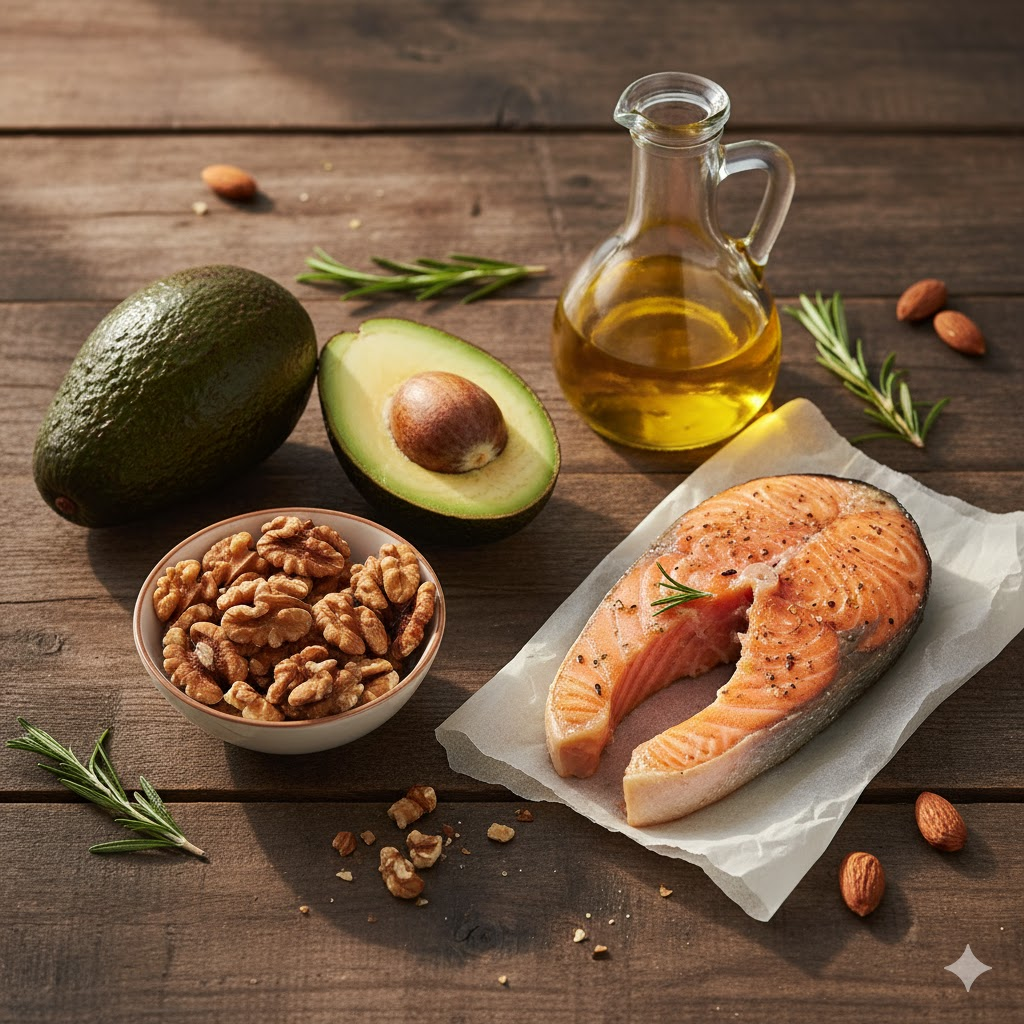
Top Sources of Healthy Fats
- Olive oil, flaxseeds, and walnuts: These are rich in omega-3 and omega-6 fatty acids that support estrogen balance and brain health.
- Fatty fish (salmon, sardines, mackerel): Packed with omega-3s, which reduce inflammation and improve cell communication key for hormone signaling.
- Coconut oil: Boosts thyroid function, supports metabolism, and provides quick energy for hormone synthesis.
- Avocados: Loaded with monounsaturated fats, potassium, and fiber all critical for adrenal and reproductive health.
These fats also combat aging and hormonal decline by reducing oxidative stress, improving skin elasticity, and supporting overall energy metabolism. When your diet includes enough healthy fats, your hormones stay steady and your body functions at its best.
7. Balance Blood Sugar and Improve Insulin Resistance
Every time your blood sugar spikes from refined carbs, sweets, or even skipping meals your body releases insulin to bring it back down. Over time, excessive sugar and high insulin levels can cause insulin resistance, which disrupts reproductive hormones, raises testosterone, and affects thyroid function. This imbalance can lead to weight gain, fatigue, mood swings, and fertility issues.
Smart Blood Sugar Habits
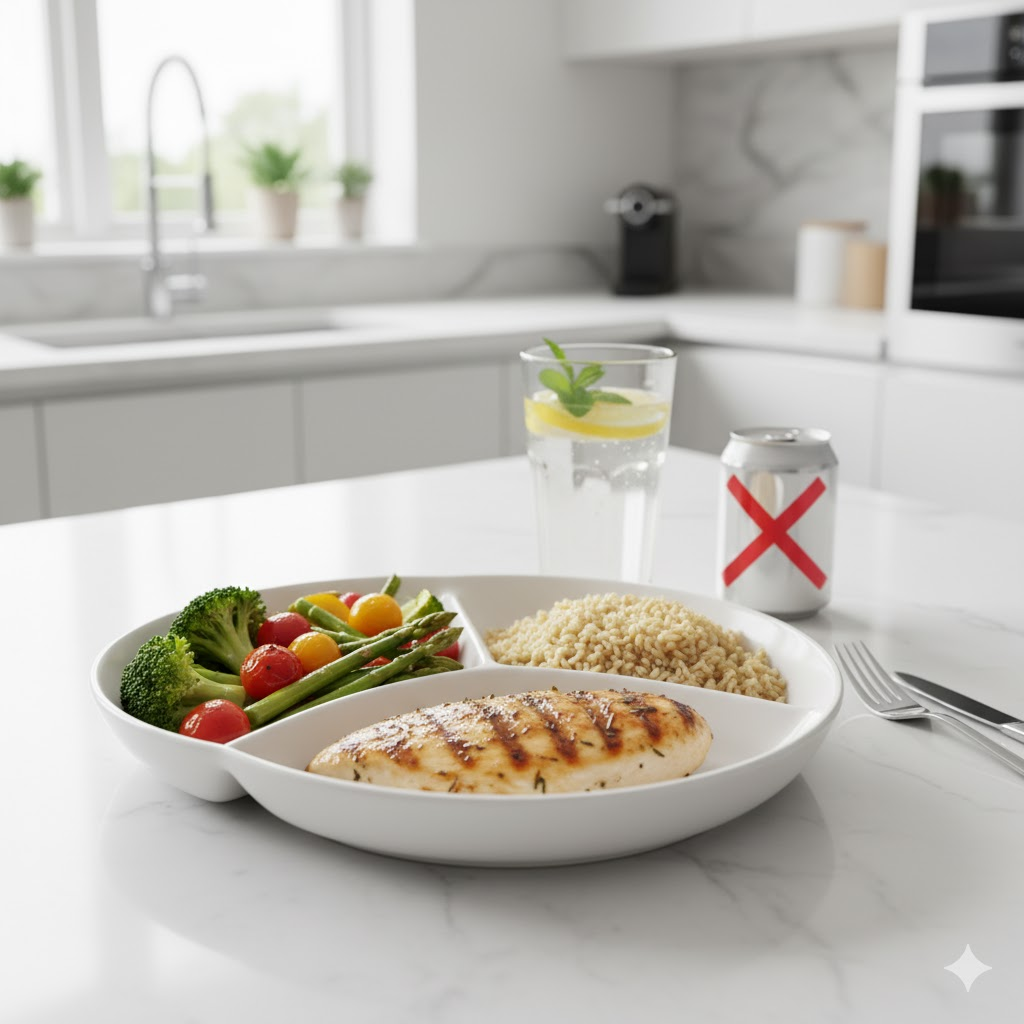
- Eat balanced meals: Combine protein, fiber, and healthy fats in every meal to slow glucose absorption.
- Don’t skip breakfast: A protein-rich morning meal sets up steady energy and prevents mid-day sugar crashes.
- Limit refined sugar especially in drinks: Sodas, flavored coffees, and juices are sneaky sources of insulin-spiking sugar.
- Add natural glucose regulators: A sprinkle of cinnamon or a teaspoon of apple cider vinegar before meals can help improve insulin sensitivity.
Balancing your blood sugar helps stabilize mood, reduce cravings, and manage hunger hormones like ghrelin and leptin. When your glucose stays steady, your hormones follow suit resulting in better focus, energy, and long-term metabolic health.
8. Detox Your Environment to Reduce Endocrine Disruptors
We often think hormone balance is only about diet or stress, but your environment plays a huge role too. Many everyday household, skincare, and cleaning products contain endocrine-disrupting chemicals (EDCs) substances that mimic estrogen or interfere with hormone receptors. These toxins can accumulate in the body, leading to issues like estrogen dominance, thyroid dysfunction, or even reproductive challenges.
How to Protect Your Hormone Health
- Ditch plastic: Store food in glass or stainless steel instead of plastic, especially when heating or freezing.
- Go fragrance-free or organic: Choose personal care products without parabens, phthalates, or synthetic fragrances.
- Avoid non-stick cookware: Opt for cast iron or stainless steel Teflon coatings release harmful chemicals when overheated.
- Let in fresh air daily: Open windows or use natural purifiers like indoor plants to reduce indoor air pollutants.
These small changes minimize your exposure to hormone-disrupting toxins, protect your immune system, and help your endocrine system reset naturally. Over time, detoxing your environment can improve your skin, energy levels, and menstrual regularity.

9. Maintain a Healthy Weight for Hormonal Balance
Body fat isn’t just storage it’s hormonally active tissue. Fat cells produce estrogen, so carrying too much (or too little) body fat can throw your hormone levels off balance. Too much estrogen can contribute to irregular periods, PCOS, and mood swings; too little can lead to fatigue, infertility, and bone loss.
Steps to Support Hormone-Friendly Weight
- Combine strength training with moderate cardio: Building lean muscle increases metabolism and helps your body use insulin more efficiently.
- Follow a nutrient-dense diet: Focus on whole foods lean proteins, vegetables, fruits, and healthy fats — to support steady energy.
- Avoid yo-yo dieting: Extreme restriction confuses your metabolism and stresses your adrenals, leading to hormonal chaos.
- Stay hydrated: Proper hydration supports cellular function and detox pathways that keep hormones balanced.
Maintaining your ideal weight doesn’t mean being rigid it means finding a steady, sustainable balance. When your weight is stable, so are your appetite, menstrual cycles, and fertility hormones.

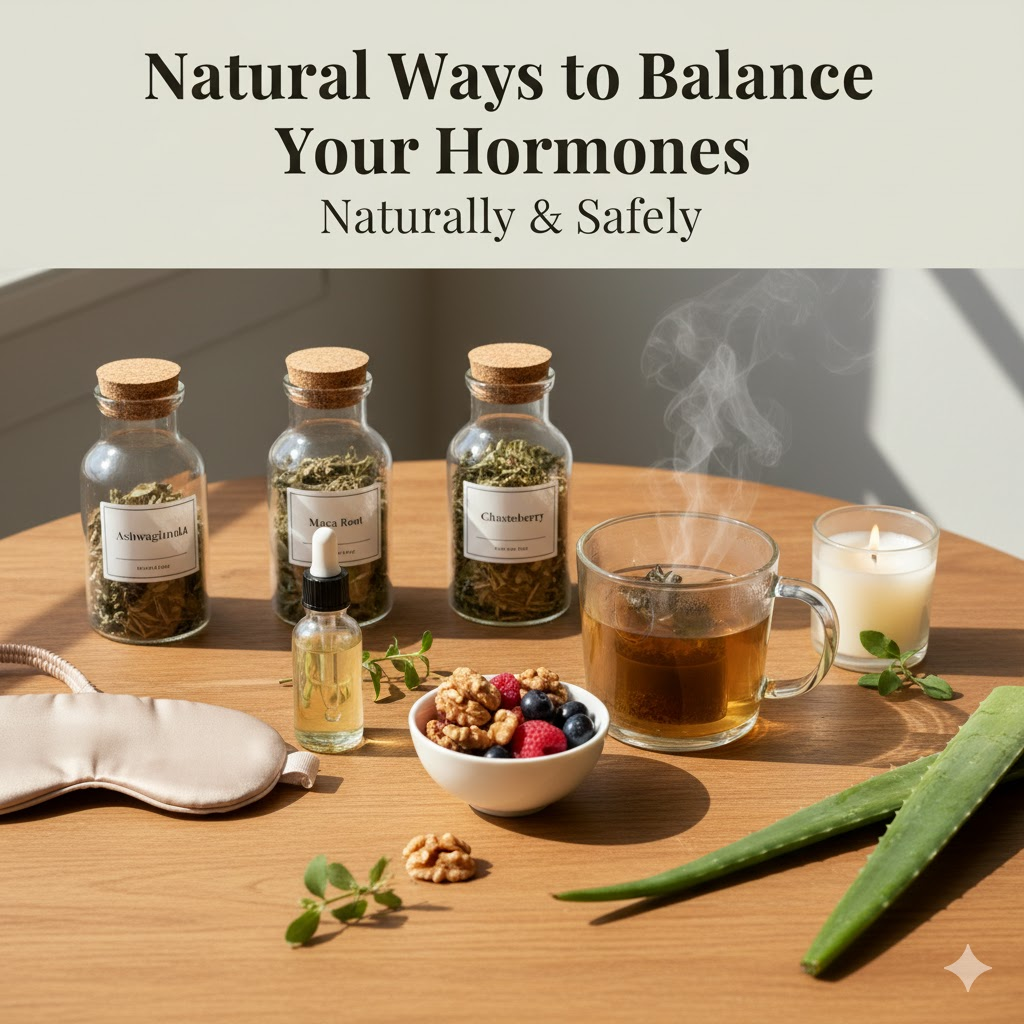
10. Try Natural Herbal Support
Certain herbs have been used for centuries to help restore hormonal balance. They’re not quick fixes, but when paired with lifestyle changes, they can gently support your body’s natural rhythm and hormone production.
Top Herbs for Natural Hormone Support
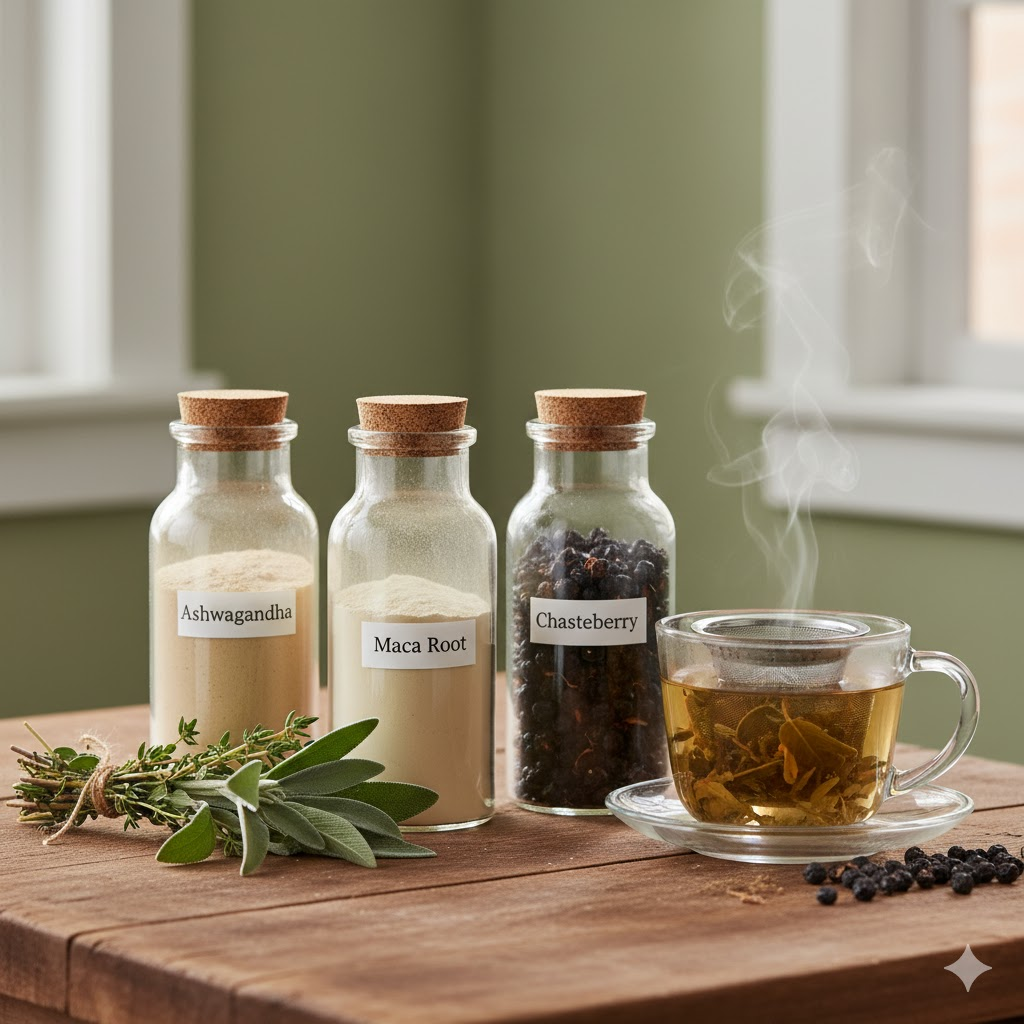
- Ashwagandha: Known for lowering cortisol, reducing stress, and supporting thyroid health. It helps restore energy and balance adrenal hormones.
- Maca Root: A powerful adaptogen that balances estrogen and progesterone levels while enhancing libido and mood.
- Vitex (Chasteberry): Helps regulate menstrual cycles, alleviate PMS, and support ovulation by promoting progesterone production.
- Evening Primrose Oil: Rich in gamma-linolenic acid (GLA), which can ease PMS and menopausal discomfort.
Always consult your doctor before taking any supplements natural doesn’t always mean risk-free. Herbs can interact with medications or medical conditions, so it’s smart to get professional guidance before adding them to your routine.
FAQs:
1. What are the early signs of hormone imbalance in women?
Common signs include fatigue, irregular periods, weight gain, mood swings, acne, or hair loss. Chronic stress, poor diet, or lack of sleep often trigger these symptoms.
2. Can diet really fix a hormonal imbalance?
Yes. Nutrition directly impacts insulin sensitivity, metabolic health, and the body’s ability to detoxify estrogen. A balanced diet rich in whole foods, healthy fats, and fiber helps regulate hormones naturally.
3. How long does it take to balance hormones naturally?
It depends on your current health, age, and consistency. Most women notice improvement in 4–8 weeks of applying natural hormone support habits.
4. Is exercise always good for hormonal balance?
Not always. Overtraining increases cortisol levels and can disrupt reproductive hormones. Balance strength training with recovery, yoga, or gentle cardio.
5. Are supplements necessary?
Supplements can help fill gaps, but lifestyle changes sleep, nutrition, and stress control remain the foundation of healthy lifestyle hormone tips.
Your Hormones Want Balance, Not Perfection
Balancing your hormones isn’t about chasing perfection it’s about consistency. When you sleep well, eat intentionally, manage stress, and move regularly, your hormones naturally align.
Small steps add up. Each time you choose whole foods over processed, rest over exhaustion, or calm over chaos, you’re teaching your body how to heal itself.
So start small. Drink water. Move your body. Breathe deeply. These are the simplest yet most effective Natural Ways to balance women’s Hormones and help you feel vibrant again.




Awesome blog.