Being disabled is not a reason to stop dreaming big quite the opposite. For the women on this list, disability was not just an obstacle to overcome. It was a key part of their journey that shaped how they led, created, and worked to make the world a better place. Below are 10 empowering stories of women with disabilities that offer valuable lessons and inspiration for anyone who feels limited by their circumstances.
Why These Stories of Women Who Are Disabled Are Important
Globally, women who are disabled encounter what is called “double discrimination” — prejudice towards their gender and their disability at the same time. However, the examples below prove that this did not prevent women from making a successful career in the field of law, politics, art, dancing and activism.
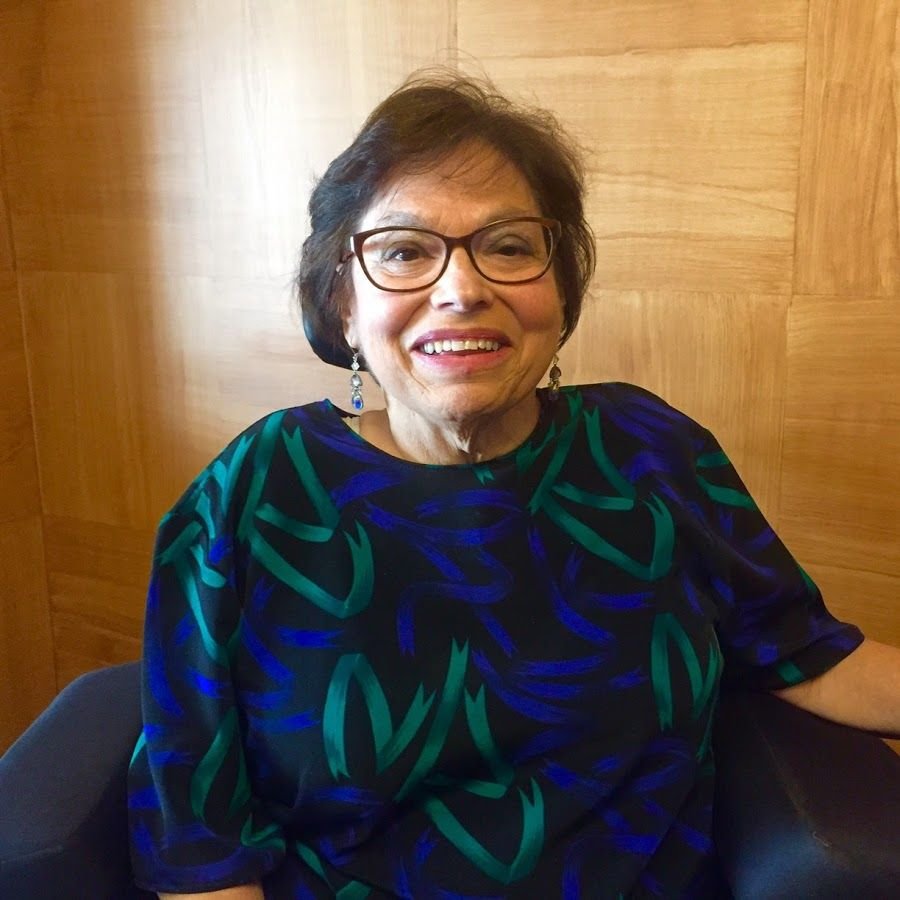
1. Judith Heumann – The Mother of the Disability Rights Movement
Judith Heumann contracted polio as a baby. Despite the challenges, she became one of the first wheelchair users to teach in New York City schools. Before becoming a teacher, she filed a lawsuit against the school board after it denied her teaching license because of her disability. Later, Judith led the historic 504 Sit-In, the longest occupation of a federal building in U.S. history. Her leadership helped push the government to pass the first civil rights law protecting the rights of people with disabilities in America.
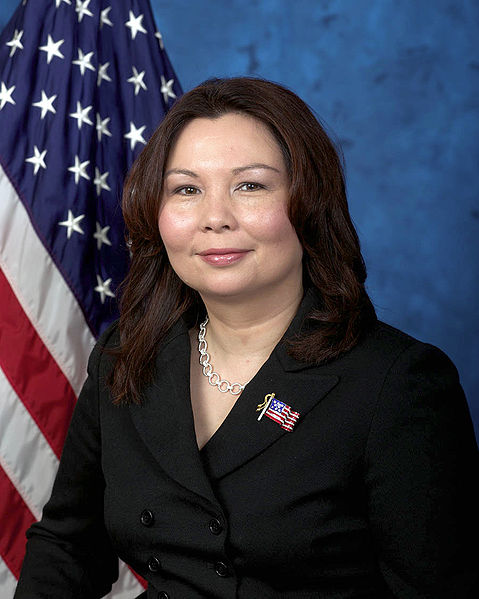
2. Tammy Duckworth – From War to Congress
Tammy Duckworth, an Army helicopter pilot, lost both her legs when the plane was shot down in the Iraq War. Instead of retreating from active politics, she decided to participate in the political scene and became the first physically disabled woman elected to the United States House of Representatives and then to the U.S. Senate. She has been advocating for legislation that supports travelers with disabilities and women in politics.
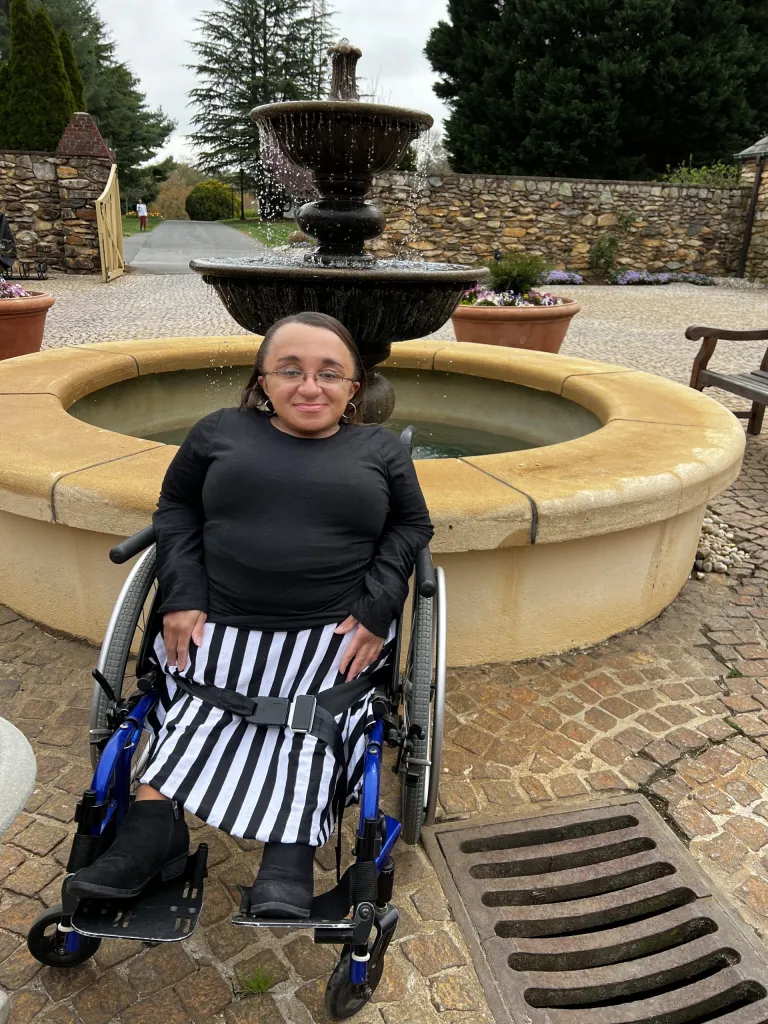
3. Alice Wong – Creating a Space for Voices of the Disabled
Alice Wong lives with spinal muscular atrophy. She uses a motorized wheelchair and a ventilator. She founded the Disability Visibility Project, a storytelling platform for disabled writers. The project gives a voice to disabled people, especially people of color. Alice believes disabled people should tell their own stories instead of having others speak for them.

4. Vilissa Thompson – Black Disabled Women at the Core
Thompson is a social worker and consultant who founded Ramp Your Voice! to highlight the experiences of Black disabled women. She recognized that they were often excluded from discussions about disability rights and mainstream feminist activism. Through her writing and advocacy, Thompson has encouraged major organizations to rethink their policies and better support marginalized communities.
5. Emily Ladau – Allyship Made Simple
Author of “Demystifying Disability: What to Know, What to Say, and How to Be an Ally,” Emily Ladau has turned her disability advocacy efforts into tangible advice to those who do not belong to the disabled community. Ladau’s work has facilitated the process of practical inclusion in workplaces, schools, and communities instead of mere sympathy.

6. Haben Girma – The First Deafblind Harvard Law Graduate
Haben Girma is both deaf and blind, and she graduated as the first deafblind Harvard Law graduate. Currently, Haben serves as a disability rights advocate and a public speaker, working on digital accessibility in companies and governments through websites that are easily readable by screen readers and accessible public transportation. Her autobiography has exposed millions of readers about accessibility.

7. Muniba Mazari – Pakistan’s “Iron Lady”
Muniba Mazari is a Pakistani artist, TV presenter, and motivational speaker. She suffered a spinal injury in a car crash in 2008. Doctors said she would never walk or have children. Muniba refused to give up. She became Pakistan’s first wheelchair model. She also inspired millions through her art, television career, and motivational speeches. In 2015, UN Women named her Pakistan’s first National Goodwill Ambassador. The BBC later included her in its 100 Women list.

8. Abia Akram – Changing a Genetic Deficiency into an Activist Movement
Abia Akram was born with genetic rickets, a condition that weakens the bones. Despite this challenge, she became the first woman with a disability to serve as the coordinator of the Commonwealth Young Disabled People’s Forum in Pakistan. She began her advocacy work while attending university. Since then, she has spent years promoting inclusive policies and improving opportunities for people with disabilities across Pakistan.

9. Tanzila Khan – The Advocate That Wouldn’t Let Opportunity Wait
Tanzila Khan was born with a physical disability that prevents her from walking. She founded Girlythings, a discreet feminine hygiene delivery service for women across Pakistan. She also created Fruit Chaat, Pakistan’s first short comedy film about disability. Through her international talks, Tanzila promotes disability rights and women’s empowerment while proving that entrepreneurship and advocacy can go hand in hand.

10. Sudha Chandran – Dancing Again on One Leg
Sudha Chandran, a renowned Indian classical dancer, had to undergo a tragic accident in which she lost her leg because of the neglect of doctors causing gangrene at the age of 16 years. Doctors thought that her dancing days were now over. However, using her Jaipur Foot prosthetic leg, she learned the whole Bharatanatyam again from scratch, and within a span of 20 months, she performed on stage and astounded people with how much effort it took to do so with just one leg.
The Common Thread
None of these women describe their disability as the whole story—it’s one chapter in a much bigger one about persistence, curiosity, and refusing to shrink. That kind of emotional resilience isn’t reserved for extraordinary circumstances; it’s a skill any woman can build, disability or not. Just as these women have redefined strength and success, many are also challenging traditional ideas of influence. Read our guide on Why Women Reject the Influencer Label to explore how women are creating meaningful impact beyond social media fame.
How You Can Support Women With Disabilities Today
Hire and promote fairly:
Ask whether your workplace’s hiring process and physical space are actually accessible, not just compliant on paper.
Follow disabled creators:
Alice Wong, Emily Ladau, and Muniba Mazari all publish regularly — let them narrate their own experiences instead of relying on secondhand summaries.
Rethink your language:
Say “disabled woman” or “woman with a disability” based on the individual’s stated preference, and drop euphemisms like “differently-abled” unless someone uses it for themselves.
Make your own content accessible:
Add alt text to images, captions to videos, and don’t rely on color alone to convey information.
If their stories moved you, these Women Empowerment Books that build unstoppable confidence are a natural next read – and organizations like UN Women publish ongoing research on how disability and gender intersect worldwide.
FAQ:
Judith Heumann, Tammy Duckworth, Alice Wong, Haben Girma, Muniba Mazari, and Sudha Chandran are among the most recognized women with disabilities globally, spanning politics, law, art, and activism.
Many face what’s called “double discrimination” — bias based on both gender and disability — along with barriers to employment, healthcare access, and physical accessibility in public spaces.
Yes. Muniba Mazari, Abia Akram, and Tanzila Khan are three of Pakistan’s most prominent disability advocates, each recognized internationally, including on the BBC’s 100 Women list.
Listen to disabled voices directly, make your own spaces and content accessible, and avoid assuming what someone needs — ask instead.
Visibility shapes opportunity. When disabled women are shown as leaders, artists, and entrepreneurs rather than only as subjects of pity, it changes what young disabled girls believe is possible for their own futures.
Final Thought
These 10 inspiring stories of women with disabilities aren’t the exception—they’re a preview of what’s possible when barriers come down. Whichever room you’re trying to walk, wheel, or fight your way into, someone on this list has already proven it can be done.
If these inspiring women have motivated you to grow personally and professionally, explore our guide on High-Income Skills for Women to discover practical ways to build your future and achieve financial independence.
Which story moved you the most? Share this article with a woman who needs to read it today and drop your favorite disabled role model in the comments below.