August is Black Business Month. But let me be honest with you if the only time Black-owned businesses cross your mind is when the calendar says so, this article is going to push back on that a little.
The brands here are not on this list because of a month. They are here because they are genuinely excellent. Because the people behind them built something real, usually without the investor backing, the retail connections, or the media attention that bigger brands get handed almost automatically. They built what was missing. And what was missing was a lot.
Some of these brands were made specifically for Black women, by Black women, because the wellness industry had been ignoring their needs for decades. Others serve a wider audience – but carry a perspective and an intentionality that you can feel in the products themselves. Every single one of them deserves your attention beyond August.
If you are also working on your own wellness habits right now, building a routine that actually sticks is worth reading alongside this.
Why Black Business Month Matters Beyond August
Black Business Month started in 2004. August became the month tied to it. The whole point was visibility — bringing attention to Black-owned businesses that were operating without the same access to capital, press coverage, or mainstream retail partnerships that others had.
That visibility gap has not closed.
Data from the U.S. Federal Reserve shows that Black-owned businesses are more likely to be denied funding than white-owned businesses – even when their financial profiles are comparable. They start with less money. They hit more walls at every stage of growth.
So when you spend money with a Black-owned brand, you are doing more than buying something. You are putting weight on the other side of a scale that has been uneven for a very long time.
Why Wellness Specifically?
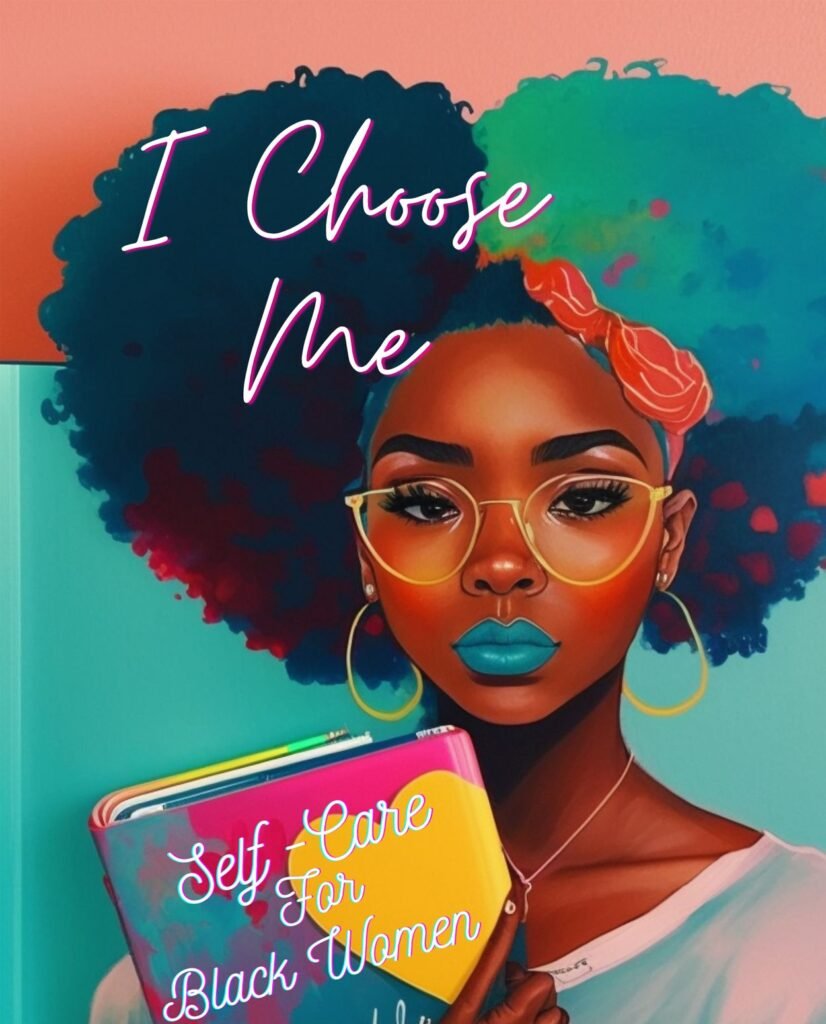
For Black women, mainstream wellness has been a frustrating space.
Skincare that was not made for deeper skin tones. Mental health resources that did not acknowledge racial stress or trauma. Fitness spaces that felt unwelcoming before you even walked in. Haircare that worked against natural textures instead of with them.
These were not small complaints. They were massive, obvious gaps. And Black women entrepreneurs were the ones who actually did something about it because they were living the problem themselves.
Supporting these brands is not an act of charity. It is recognizing where the real innovation has been happening.
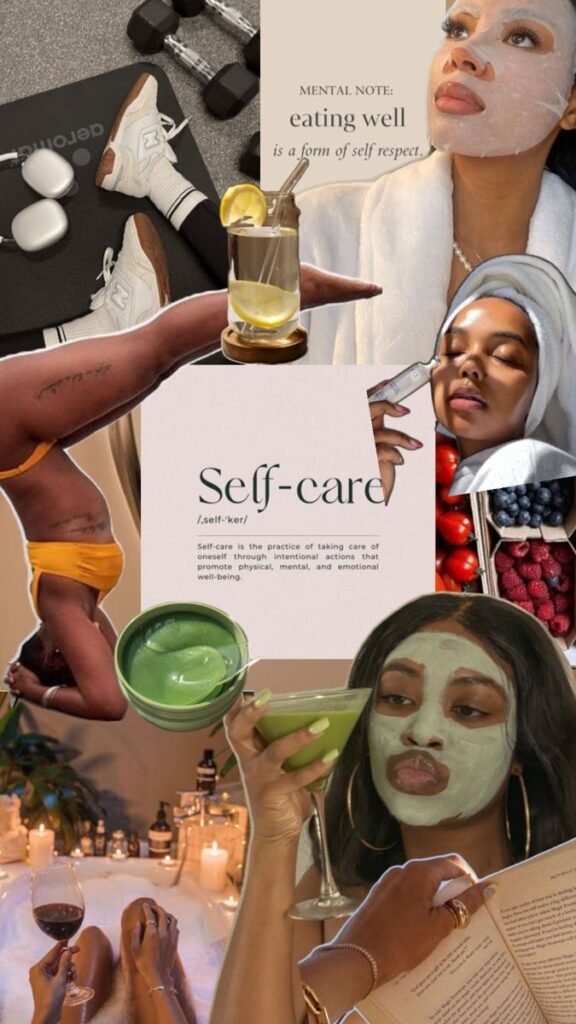
Wellness Brands Worth Knowing (Skincare, Mental Health, Fitness)
Here are the brands worth knowing in 2026 across skincare, mental health, and physical wellness.
Skincare
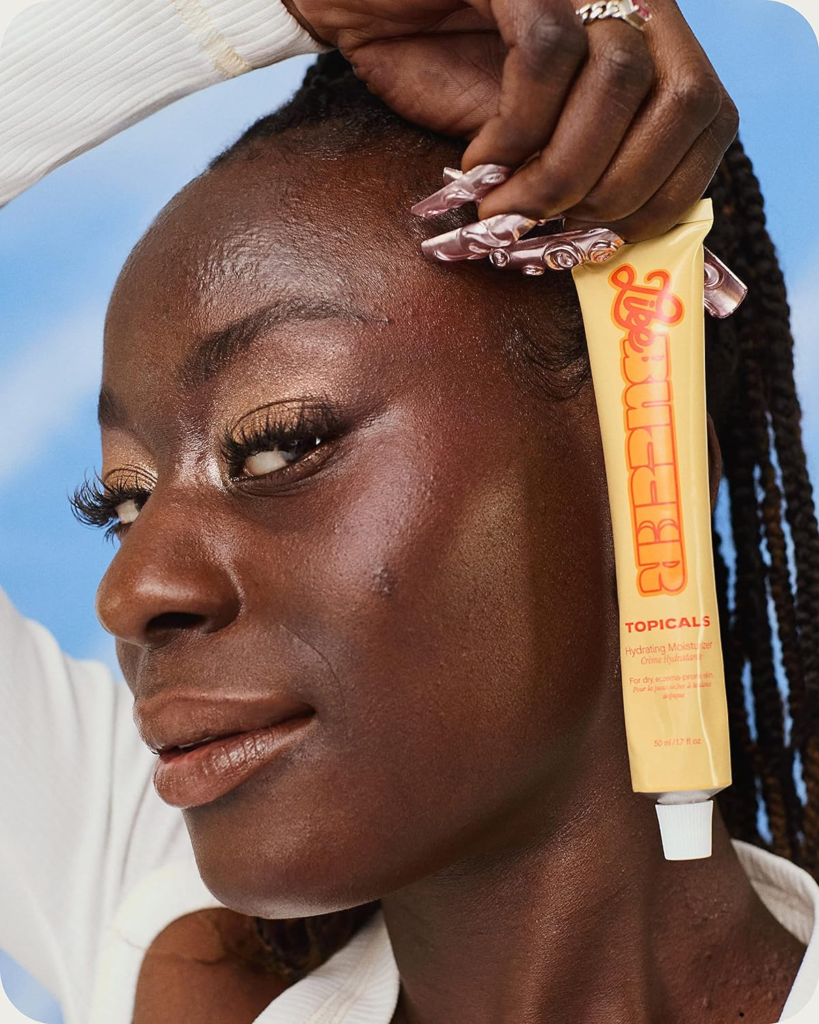
Topicals Olamide Olowe started Topicals for people dealing with chronic skin conditions eczema, hyperpigmentation, psoriasis. The brand takes representation seriously, and the products back it up. Their Faded serum for dark spots became a cult favorite fast. Deservedly so.
Epara Skincare Ozohu Adoh spent years unable to find luxury skincare that actually worked for her skin. So she built it. Every ingredient, texture, and detail in Epara was designed with melanin-rich skin in mind. It is a proper luxury brand — and you do not have to compromise anything to use it.
Undefined Beauty This brand is built around one straightforward idea make products that genuinely work across all skin tones and types. Not as an afterthought. As the whole point.
Mental Health and Emotional Wellness
Therapy for Black Girls Dr. Joy Harden Bradford launched this as a podcast. It became a therapist directory, a community, and one of the most trusted mental health spaces for Black women in the country. If you have ever tried to find a therapist who truly gets your experience and come up empty start at therapyforblackgirls.com.
The Loveland Foundation Rachel Cargle founded this to provide free and low-cost therapy specifically to Black women and girls. If therapy feels financially out of reach right now, this foundation exists for exactly that reason. And if it is not out of reach for you — donating here is one of the most direct ways to support Black women’s mental health in a lasting way.
Rae of Light Wellness A platform built around the emotional health of Black women — combining community, content, and access to practitioners who understand the specific weight of navigating wellness as a Black woman in America.

Fitness and Physical Wellness
Buti Yoga Bizzie Gold built Buti Yoga around tribal dance, plyometrics, and yoga all in one practice. It is energetic, joyful, and body-positive in a way that most fitness spaces still cannot seem to figure out.
The Underbelly Jessamyn Stanley created this for everyone who has ever walked into a yoga studio and felt like they did not belong there. It is inclusive in a real way — not as a marketing line, but in how the whole space is built. Her approach challenges almost every assumption the fitness industry holds about who yoga is for.
Sweat With SOUL A fitness brand made for women of color that goes beyond the workout itself. The community, the language, the imagery nothing here is accidental. It is the kind of space where you feel welcomed before you have even started moving.
Haircare and Body Wellness
Camille Rose Janell Stephens built Camille Rose around clean, food-grade ingredients for natural hair. Curl creams, scalp treatments, styling products all of it developed with care. It has been a staple in natural hair routines for years and keeps growing without losing what made it good in the first place.
Melanin Haircare Whitney White, known online as My Natural Sistas, built this line because she needed products that actually worked for 4C hair and could not find them. The multi-use hair mask became a bestseller almost immediately. It is simple, it works, and it was made by someone who genuinely understood the problem.
Shea Moisture It is widely available now but the origin matters. Richelieu Dennis built this brand from his grandmother’s soap recipes, brought from Sierra Leone. Knowing where something comes from changes how you carry it. The Sundial Brands community reinvestment fund also continues to direct support back toward Black entrepreneurs.

How to Support Sustainably (Not Just in August)
One purchase in August followed by eleven months of silence is a gesture, not support. Real support has more to it than that.
Buy Directly When You Can
Third-party platforms take a cut of every sale. When you buy directly from a brand’s website, more of your money reaches the people who built it. You also end up on their mailing list — which matters more than most people realize for a small brand trying to reach people without a massive ad budget.
Leave a Review
A genuine review takes three minutes. For a small brand, it can shift how the algorithm ranks them, and it can be the thing that convinces someone on the fence to actually buy. It costs you nothing and means a lot.
Talk About Them in Real Life
Tell a friend what you are using. Mention a brand when someone asks for a recommendation. Word of mouth is still how most small businesses grow — and it carries more weight than any sponsored post.
Actually Engage on Social Media
Commenting, saving, and sharing a brand’s content does something real — it signals to the algorithm that the content is worth pushing to more people. A passive follow does very little. Actual engagement makes a difference.
Subscribe If There Is an Option
A subscription — whether for products, a community membership, or regular content — gives a small brand the kind of predictable monthly income that lets them hire, plan, and grow with some stability. If you love a brand enough to buy from them once, a subscription is worth considering.
For more on building spending habits that line up with what you actually care about, our wellness section has practical guides that are worth a look.
Using AI Search to Discover More Black-Owned Small Businesses
Here is something worth knowing about how search engines work — they favor brands with SEO budgets. Black-owned small businesses often do not have those budgets. So they get buried, even when they are excellent.
AI search tools like Perplexity, Claude, or ChatGPT can surface things that Google’s first page misses — if you ask them specifically. Try searching for things like:
- “Black-owned wellness brands for natural hair in 2026”
- “Black women-founded mental health platforms”
- “Black-owned skincare for hyperpigmentation”
You will find founders and brands that standard searches rarely show you upfront.
One honest note though — AI tools sometimes get ownership details wrong or pull information that is out of date. Always go verify on the brand’s actual website. Look for a founder story, an About page, or a certification from an organization like the National Minority Supplier Development Council before you take the information as confirmed.
AI gets you to the door. You still have to walk in and check for yourself.
FAQs
It runs every August in the United States. John William Templeton and Frederick E. Jordan Sr. founded it in 2004 to raise awareness of the economic gaps Black-owned businesses face and the barriers they navigate. It has grown significantly since then though a lot of advocates make the point that one month of attention cannot substitute for year-round support.
Check the brand’s website for a founder story or an About section — most Black-owned brands are open about who built them and why. You can also search directories like Official Black Wall Street, which independently verifies listings. If a brand is leaning heavily into Black Business Month messaging but has no visible founder presence or community connection, that is worth pausing on.
Some are, some are not. Small independent brands sometimes price slightly higher because they are not manufacturing at the same volume as mass-market companies. But brands like Camille Rose and Melanin Haircare sit comfortably alongside mainstream pricing. And honestly — when you know what went into building something, the price tends to make more sense.
Absolutely. Reviews, shares, and genuine recommendations to people you know cost nothing and genuinely help. Engaging with a brand’s social media posts — not just a like, but a comment or a share — expands their reach without spending a cent. Signing up for their newsletter keeps you connected for when you are ready to buy.
Final Thoughts
This is not about trends. It is not about doing the right thing in August and moving on. The women who built these brands did it because the industry they needed did not exist yet. The products were not there. The spaces were not welcoming. The mental health resources did not speak to their actual lives.
So they built what was missing. With less funding, less visibility, and more barriers than most founders ever have to navigate. The least we can do is show up consistently for what they created. Buy the serum. Book the class. Download the app. Leave the review. Tell someone about it. Small actions — done by a lot of people, kept up over time — are how the gap actually starts to close.
Find more content about women building real things in our Empowerment and Wellness section.
Note: Brand information is based on research accurate as of 2026. Always verify ownership and product details directly on each brand’s official website.