You don’t need a six-figure salary for this one. Don’t need to give up your morning coffee run either, or move into a van down by the river like some minimalist influencer would tell you. Financial independence for women: this plan is built for a normal income and a normal life, run by someone with a normal amount of willpower on a random Tuesday. That’s really the whole point of it.
Quick disclaimer before anything else: this is general financial education, not advice tailored to you specifically. If your situation is more complicated, self-employment, a divorce, a big career shift, talk to an actual advisor or tax professional about the details.
What Financial Independence Actually Means (Not the Instagram Version)
On social media it looks like a finish line. Retire at 35, never work another day, sip something tropical somewhere warm for the rest of your life.
Real financial independence is a lot smaller than that. And honestly more useful. It just means money stops quietly running your decisions for you. An emergency doesn’t wreck your whole month anymore. You could walk away from a job, a relationship, or a bad situation without your bank balance making that call for you first.
The stakes are genuinely higher for women here, for what it’s worth. Bankrate’s 2026 research found women still earn about 81 cents for every dollar men make. 81% of women say money worries keep them up at night. More than a quarter of working women aren’t putting anything toward retirement, period.
None of that is on you personally. It’s structural. But a realistic monthly plan is still one of the most direct things a person can actually do about it — one month at a time, not all at once.

The Realistic Monthly Plan, Step by Step
Forget a 12-step system you have to memorize. Four layers, stacked one on top of the other, is closer to how this actually works in practice.
Months 1 and 2: Figure Out Your Real Numbers
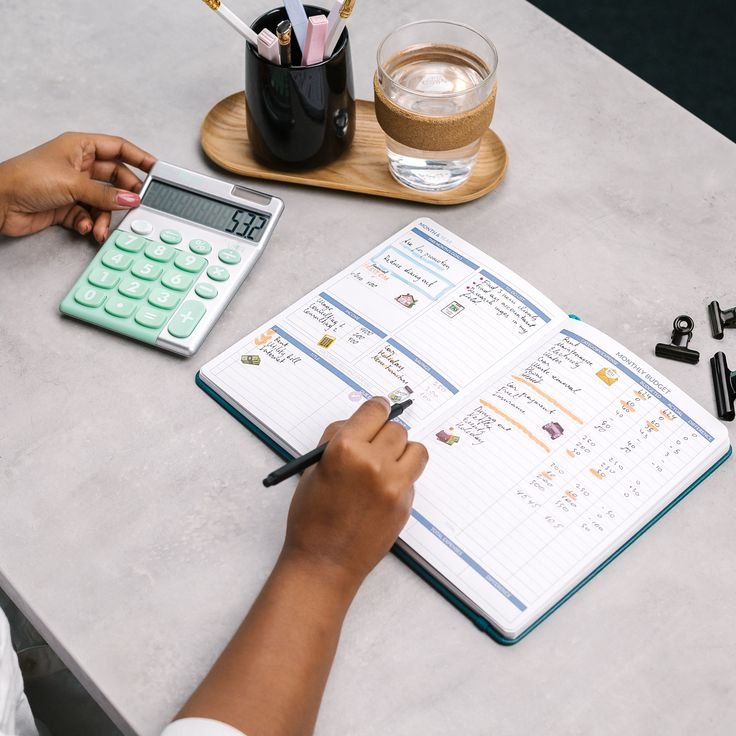
Track every dollar for 30 days straight. In and out. No judgment involved, just the data. Most women find at least one spending category that surprises them once it’s written down instead of just felt in the moment.
Write out every source of income you have. Then every fixed expense – rent, insurance, whatever subscriptions you forgot you had. Then the variable stuff: groceries, takeout, the occasional impulse Target run everyone pretends doesn’t happen. Subtract, and see what’s actually left at the end of the month
Months 2 through 4: A Starter Emergency Fund
Close to half of women have no emergency fund whatsoever. The ones who do average around $6,500, which is quite a bit behind the roughly $11,000 men typically hold.
Start with just $1,000 before touching anything else. Set up an automatic transfer that happens on payday, before the money even hits your regular checking account where it’s easier to spend. Keep this in a separate account entirely — one you genuinely don’t touch for anything but a real emergency.
Months 4 through 8: High-Interest Debt First
Credit card debt eats away at investment gains faster than almost anything else can build them back up, which is exactly why this step comes before investing.
Write down every debt you’re carrying along with its interest rate. Pay the minimum on everything except whichever one has the highest rate. Throw every spare dollar at that single debt until it’s gone. Then repeat with whatever’s next on the list.
Months 8 through 12: Start Investing, Even If It’s Small
Once the starter fund exists and the high-interest debt is cleared, investing becomes the actual lever for building wealth long-term.
Contribute at least enough to grab any employer 401(k) match — turning that down is turning down free money, and there’s really no version of that math that makes sense. Open a Roth IRA if you qualify, even if it’s a small amount monthly to start. And automate the contributions, because this shouldn’t have to rely on remembering or on willpower every single month.
After That: Grow the Fund, Then Grow the Investments
With debt gone and investing running on autopilot, work the emergency fund up toward three to six months of expenses. From there, raise investment contributions gradually as income grows over time.
Common Money Mistakes Women Are Told to Ignore
A handful of patterns keep showing up, and somehow nobody names them out loud. Underinvesting out of caution is one. Women are roughly 39% less likely than men to invest in stocks, often from a reasonable instinct toward playing it safe. But sitting entirely in cash long-term tends to cost more than market ups and downs ever would.
Skipping the retirement match is another. Leaving an employer match unclaimed is, again, turning down guaranteed money for no real reason.
There’s also the habit of waiting to “know more” before starting anything. Financial confidence tends to come from actually doing it, not from feeling ready first. Most people who look confident about money just started earlier and messier than you’d guess.
Treating money talk as impolite is a quieter one. Staying silent about salaries and savings tends to benefit whoever already has more of both. Talking about it openly is usually how real gaps get noticed and, eventually, closed.
And then there’s carrying financial stress completely alone, which a lot of women do without really meaning to. It usually just makes the weight heavier than it needs to be. If that sounds familiar, our piece on recognizing burnout gets into how financial stress tends to compound everything else going on in a person’s life.

Best AI Budgeting Apps Worth Trying in 2026
A few AI budgeting apps sort spending automatically now and flag things you’d probably miss on your own, a subscription creeping up, a category quietly ballooning month over month. Genuinely handy for the tracking step back in month one. Just don’t mistake one for an actual financial advisor once the decisions get bigger than a monthly budget. Our AI section has a few more worth checking out.
Building Habits That Actually Stick
None of this works if it doesn’t fit the life you’re actually living, as opposed to some idealized version of it. If tightening up other parts of your routine would free up mental space for this, our guide on simplifying your life as a woman covers a similar idea from a different angle entirely. And since spending on things that actually earn their place isn’t just a closet problem, our capsule wardrobe guide pairs with this better than you’d think at first glance.

FAQs: financial independence for women
Honestly, there’s no single number that works for everyone. It depends on your expenses, your goals, and your timeline. Most people start with a fully funded emergency fund and build outward from there instead of chasing one fixed target.
Generally, high-interest debt above roughly 7 to 8% should come first, since that interest usually outpaces what most investments actually return. Lower-interest debt can often run alongside modest investing instead of blocking it entirely.
Start with whatever you can automate, even ten dollars a week. The habit matters more than the dollar figure early on, and it scales naturally as income grows.
All investing carries some risk, sure. But staying entirely in cash carries a different kind of risk over time, one that’s easy to underestimate. Starting small, staying consistent, and skipping high-fee products is a reasonable way in.
Not really, not for the basics laid out here. It’s worth talking to one for the bigger stuff, though: retirement planning, taxes, major life changes.
For more on the research behind these gaps, Bankrate’s report on women and financial literacy is worth reading further.
Final Thoughts
This was never going to be one dramatic overnight shift. It’s twelve fairly ordinary months of small, repeated decisions that quietly add up to something that actually feels like freedom. Start month one this week. Not someday. Future you is the one who’ll feel the difference.
Which step are you starting with? Pass this along to a woman who’s been meaning to sort her finances out but hasn’t known where to start.