Let me speak to you truthfully.
There was once a point in my life when I felt my window of opportunity shut. I remember sitting in my kitchen, sipping on my black coffee and browsing through LinkedIn, seeing friends younger than me getting promoted, acquiring new clients, and embarking upon remote careers that seemed nothing short of blissful. “This does not apply to me anymore,” I would say to myself.
I was very wrong. A dream career can also be built at a later stage in life. However, a career change for women in their thirties actually comes with stereotypes.
Today I want to address you and tell you something I wish someone had told me many years back. Changing your career path in your 30s is not only possible; it can be the most empowering decision of your entire life. Now, I am not here to motivate anyone. I am here from experience.
Let us discuss it further.
Why Your 30s Might Actually Be Your Best Career Starting Point
It is not easy being my age in a competition with fresh graduates who have plenty of time and energy but less responsibility. However, I did not know that what they had, I lacked. What they had was experience – experience in running a house, dealing with different types of people, solving problems under pressure, and getting out of bed when you do not want to.
These are not soft skills; these are hard skills. And these skills have immense value in today’s remote world, which revolves around the internet.
We live in an era where the playing field is truly equal because any woman from anywhere can write for her clients in Canada, and any designer in any part of the world can brand startups in London. All one needs is a skill, a strategy, and some courage to begin their journey, and that is exactly what I did step-by-step.
7 Powerful Steps I Took to Change My Career in My 30s
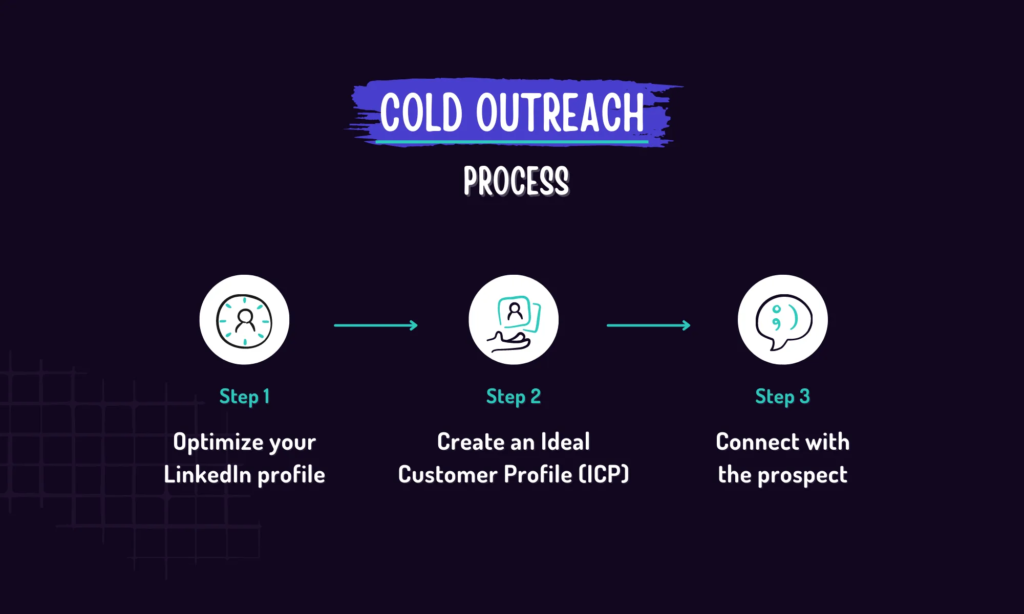
Step 1: I Updated My LinkedIn Profile: and It Changed Everything
I’ve always neglected LinkedIn because it seemed like a professional site with suited professionals.
But then I managed to get myself together and finally update my profile correctly. I included a picture of myself that wasn’t blurry or too casual. I put up a professional headline reflecting my actual professional goals, not those I’d been having previously. I also rephrased my About section and said exactly who I am and what I do.
A week later, I received my first inquiry from an international client.
My mind had been changed forever at that point. So, out of everything that’s listed here, update your LinkedIn profile now. Here’s what I did:
- Your headline should reflect where you are going, not just where you have been. Write something like: “Content Writer | Helping Small Businesses Grow Online” – even if you are just starting out.
- Your About section is your story. Tell it. Be real, be warm, and be specific about the value you bring.
- Your photo matters more than you think. A clear, friendly, professional photo builds instant trust.
- List every skill you have – including the ones you developed managing a home or team.
- Turn on “Open to Work.” You would be surprised who is looking.
Additionally, keep your profile updated as you grow. LinkedIn rewards active profiles. The algorithm pushes you forward when you show up consistently. Career change for women requires real effort and consistency, I believe!

Step 2: I Started Building Genuine Connections on LinkedIn:
Following the update to my profile, there was yet another mistake on my part. I began to connect but never communicated. I became a lurker. I scrolled and I liked posts without ever posting comments.
This is not socializing. This is being a silent observer.
It was time for a new tactic. I started attending and this is how I did it:
- I commented on posts with actual thoughts, not just “great post!” I shared my perspective. I asked questions. I engaged like a human being.
- I posted my own content. At first, it was terrifying. Nevertheless, I started sharing what I was learning small tips, honest reflections, mini case studies from my work. People responded.
- I sent personalized connection requests. Instead of the default message, I wrote something specific: “I noticed you work in content marketing. I am transitioning into this space and would love to connect.” Response rates went up significantly.
- I joined LinkedIn groups related to my niche and contributed to conversations.
As a result, my network grew not in numbers, but in quality. People began referring me to others. Opportunities arrived through conversations I had started weeks earlier.
Your network is your net worth. Moreover, it does not need to be large. It needs to be real.
Step 3: I Committed to Learning Digital Skills: One at a Time
This is the part where my earning potential changed.
I have always been a fast learner. For a long while, though, I had been putting my talent into assisting other people my kids, my husband, my relatives. Finally, it was time to use it for my own benefit.
I began by learning how to write content. This suited me well because words were always something I liked. I found free tutorials on YouTube and took a reasonably priced class on Udemy. In just 30 days, I completed my first few article samples. Learning is an initial step for career change for women.
But content writing isn’t the only career choice available. There are plenty of digital jobs that can easily be mastered at virtually no cost using your phone or computer:
- Content Writing and Copywriting — writing blogs, websites, emails, social media captions
- Graphic Design — using Canva, Adobe Express, or Illustrator
- Social Media Management — managing business pages and growing audiences
- SEO (Search Engine Optimization) — helping websites rank on Google
- Virtual Assistance — managing emails, calendars, admin tasks for businesses
- Video Editing — using CapCut, DaVinci Resolve, or Adobe Premiere
- Web Design — building websites on WordPress or Webflow
- Digital Marketing — running Facebook and Google ads
Where I learned, and where you can too:
- YouTube — free, in-depth tutorials in English, Spanish, Dutch, German, Urdu, Hindi, and Bengali.
- Google Digital Garage — free certifications in digital marketing
- Coursera and edX — university-level courses, many available for free
- Udemy — affordable, project-based learning ($10–15 per course)
- Skillshare — great for creative skills like design and video
Consequently, within two to three months of focused learning, you can have a skill that the market is willing to pay for. Pick one. Start today. Do not wait until you feel “ready” because that feeling may never come.

Step 4: I Built a Portfolio: Even Before I Had Paying Clients
This one definitely caught me off guard.
After hearing the term “portfolio,” my mind immediately flashed back to saying, “But I don’t have any experience; what would go into that?”
But what they failed to tell me was you can craft portfolio pieces. There is no need to wait on clients to establish your credentials.
My portfolio consisted of sample blog posts written for fictitious brands. I had crafted social media content calendar templates. I created a mock-up email newsletter for an unreal skincare line. None of it was paid, but all of it showed I could do it.
Here is how I built mine and how you can too:
- Create 3 to 5 sample projects in your chosen skill. Make them real and polished.
- Use free tools like Canva, Google Docs, or Notion to organize and present them beautifully.
- Build a simple portfolio page using Carrd, Wix, or WordPress. It does not need to be expensive or complex.
- Write brief case studies. Even for personal projects, explain: what was the goal, what did you create, and what result could it achieve?
- Add a clear Contact section. Make it easy for clients to reach you.
Furthermore, as you complete real projects, replace the samples with actual work. Your portfolio grows with you. And it speaks for you even when you are not in the room.
Step 5: I Started With Free Work: and Then I Started Charging
I understand. This seems contradictory. Why would you offer your services for nothing?
The reality was that initially, I had the expertise but lacked the credibility. I had no testimonials, experience, or reasons for a complete stranger to give me their money.
Therefore, I proposed to assist three clients without any charge a local small business, a friend with an online store, and a non-profit organization. My only request was that they give me an honest testimonial and allow me to include the project in my portfolio.
Those three projects turned my career around entirely. This is how I did it – and what I suggest every woman in the same position do:
- Offer 1 to 3 free projects to real people or organizations in your network.
- Deliver excellent work. Treat free clients like they are paying you well. Your reputation is being built.
- Ask for written testimonials — and video reviews if possible.
- After your first free projects, begin charging a beginner rate. Even $5 to $10 per hour is a start.
- Raise your rates every few months as your portfolio and reviews grow.
- Within six months, you can be charging professional rates confidently.
Moreover, do not feel embarrassed about starting with free work. Every professional you admire today started somewhere. This is your somewhere.
Step 6: I Built My Personal Brand : and Clients Started Finding Me
Personal branding seemed like an influencer-only necessity. That assumption was also incorrect.
When I began sharing about my experience — my knowledge, my progress, my discoveries, there was an unintended consequence: people were recognizing my name. They recognized me for what I did. They referred me to others.
That’s what personal branding is all about. It’s not as complicated as you might think.
Here is what I did and what you can replicate:
- I chose one niche and stayed consistent. I did not try to be a content writer AND a graphic designer AND a virtual assistant all at once. I focused.
- I posted 2 to 3 times a week on LinkedIn, and later on Instagram. Not perfectly. Just consistently.
- I shared my process. Behind-the-scenes posts “here’s how I structure a blog post” or “here’s what I learned from my first client call” performed incredibly well.
- I was honest about being a beginner. People respect authenticity far more than perfection.
Additionally, personal branding builds trust over time. Therefore, even if your posts get five likes in the beginning, keep going. The consistency compounds. Six months later, those small seeds become real opportunities.
Step 7: I Reached Out to International Clients: Through Cold Emails and Cold Outreach
This is probably the most frightening step I have taken, but it gave me the best results.
My first cold email was written by me in twenty minutes and re-written another five times before I pressed the “send” button and felt extremely anxious about it all.
But here comes the magic part: he answered; we got on a call, and he became one of the first paid international clients.
Cold outreach is just a professional way to introduce yourself to somebody that you haven’t met yet.
Here is the cold email formula that worked for me:
- Personalize the opening. Mention their name and something specific about their business.
- State your value in one sentence. Tell them how you can help them, not just who you are.
- Keep it under 100 words. Busy people do not read long emails.
- End with a simple ask. “Would you be open to a quick 15-minute call?”
- Follow up once — politely, after 4 to 5 days if you hear nothing.
For cold calling:
- Prepare a short, natural-sounding script before dialing.
- Start with smaller businesses where you are more likely to reach the decision-maker directly.
- Use LinkedIn to research the person before calling.
In addition, Upwork, Fiverr, and PeoplePerHour will help you reach international customers without cold email outreach. I used them to start with reviews and then started cold emailing to target paying customers directly.
With continuous outreach efforts, receiving two to three responses a week will turn out to be a steady source of income in months to come.
The Mindset Shift Nobody Talks About
But there is one more thing I wish to be open with you about.
The most challenging thing about this process wasn’t learning new skills. It wasn’t creating a portfolio. It wasn’t even reaching out to total strangers.
The most challenging thing was the belief in myself and the confidence that I belonged here.
There will be times when you email ten strangers but receive no response. There will be times when you see zero engagement with your posts. And there will be times when a potential client just disappears after two phone calls.
In such situations, it is vital to remind yourself that this is not a rejection of your self-worth. This is all part of the process.
Hence, I strongly suggest surrounding yourself with women on the same path. Joining Facebook groups. Participating in LinkedIn communities. Because their stories will help you persevere on the toughest days.
Besides, you should celebrate every success that comes your way. Your first reply? Celebrate. Your completion of the course? Celebrate. Even your first free client, who left you an amazing review? This is huge — celebrate it!
No progress is linear, yet progress is still being made.
FAQs
Absolutely. I did not go back to school. I took online courses, built a portfolio, and let my work speak for itself. Most international clients hire based on skills and proven results not academic credentials.
Start with the one that feels most natural to you. If you love writing, try content writing or copywriting. If you are visual, explore graphic design or social media management. The best skill is the one you will actually stick with long enough to get good at.
It took me about 45 days from when I committed seriously. However, everyone’s timeline is different. Those who learn consistently, build their portfolio, and reach out actively tend to land their first client within 30 to 90 days.
Set boundaries clearly from the beginning. Be specific about what you are offering, for how long, and what you expect in return (a testimonial and permission to use the portfolio). Two to three free projects with clear boundaries is not being taken advantage of; it is being strategic.
Start with Upwork and Fiverr to build reviews. Simultaneously, optimize your LinkedIn profile and begin cold emailing small businesses in English-speaking markets like the US, UK, Canada, and Australia. These markets actively look for skilled, affordable remote freelancers.
Best Advice as A Woman for you:
This journey began with me feeling invisible.
There was this notion that working remotely, making a career on the internet, and dealing with international clientele was something reserved for the young, the fearless, the more fortunate.
But I was wrong. You have been wrong too, if you keep having that narrative.
A career switch for women in their 30s is not just an idea. It is very much possible, and happening here and now all over the globe – in the homes and lives of other women just like you who have managed to build portfolios and find clients.
All it needs from you is one move forward.
That’s all it takes to get started just one step.
So start today. Upload your updated LinkedIn profile. Take one tutorial. Create one sample project. Send out one email.
It takes only one step.
You are not too late. You are right on time.
Hey girlies! read more women related content on our blog.