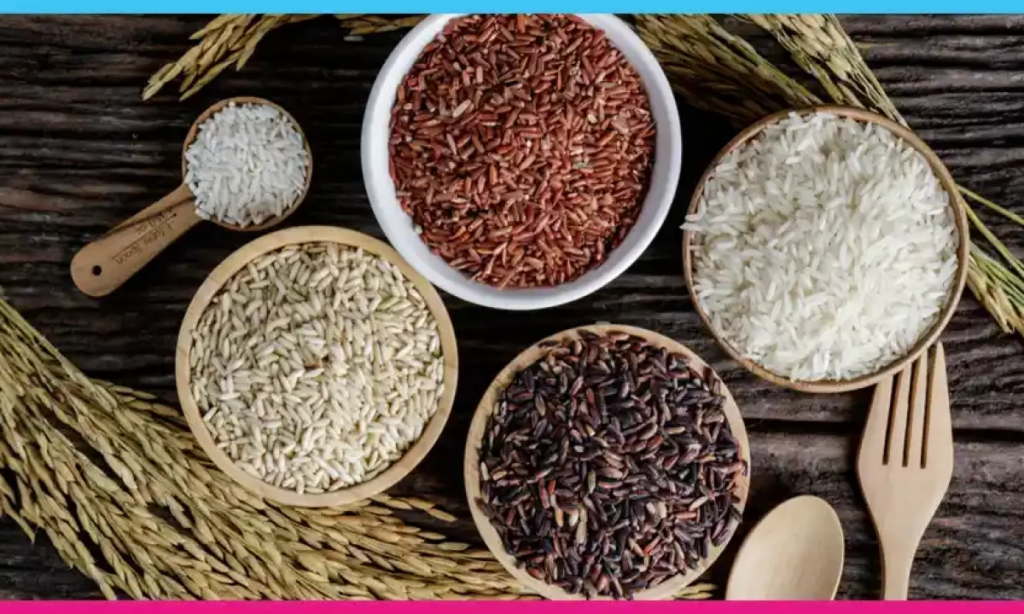
When most people believe carbs are the enemy, a rice diet to lose weight can seem like a dream come true. I believe every other woman loves rice.
However, rice, healthy carbs, portion control, calorie-deficient meals, balanced plates, protein-rich foods, vegetables, and smart meal planning can all be combined. It’s not necessary to give up your go-to meals to shed pounds.
The real issue is not about rice. The issue is about consuming more calories than your body burns. Weight loss primarily occurs when the number of calories consumed daily is less than the number of calories burned, and exercise can help with that. (CDC)
Rice can be a part of a healthy weight loss meal plan, as long as you consume the correct portions and combine it with the right foods. A bowl of rice is nothing like a large plate of fried meat, oil, creamy sauce, and sweet beverages. Most people get caught there.
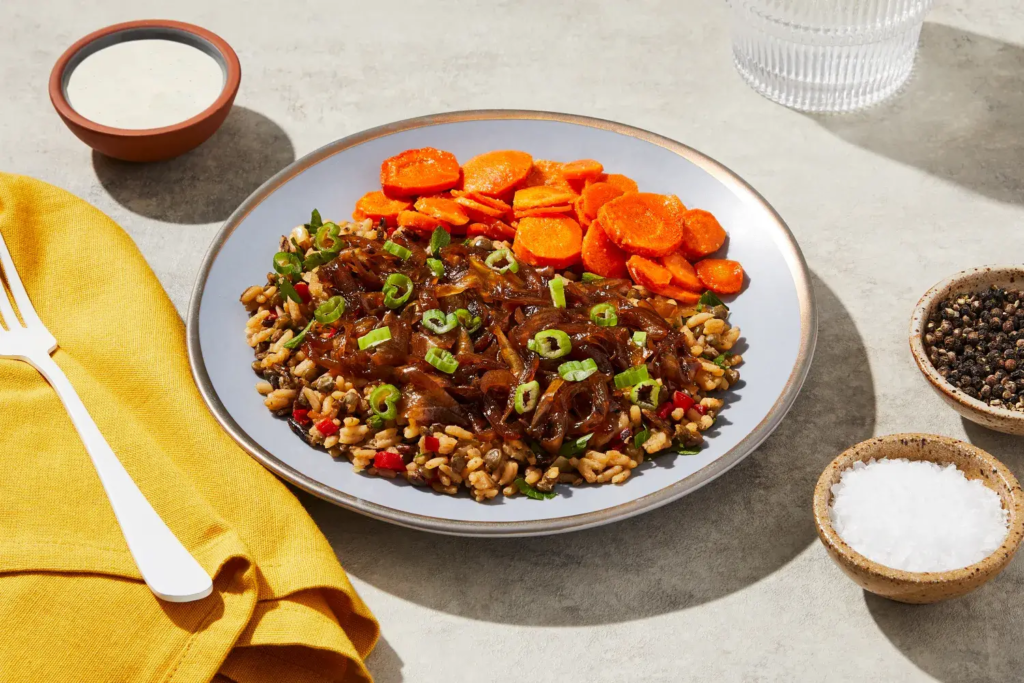
Rice is not the enemy, so why?
For years, rice has been getting a bad reputation for causing weight gain, and to some extent, that’s not fair. Rice is a source of carbohydrate, which is your body’s favorite energy source. The problem begins when the amounts are too much or when rice is served with higher-calorie side dishes.
For instance, USDA-linked food data lists 205 calories in one cup of cooked white rice, compared to 218 calories in one cup of cooked brown rice. Rice itself does not have a high calorie count, but eating two or three servings can add up to a high calorie intake. (FoodData Central)
The reason why people gain weight after eating rice.
A small serving of rice won’t cause people to gain weight. They become heavier from the complete plate surrounding them.
Common problems include:
• Consuming 2-3 cups of rice, not measuring it
• Excessive amounts of oil, butter
• Fried rice rather than plain rice
• Serving rice along with fried chicken, creamy curry, and heavy sauces
• Drinking soda or sweet tea with the meal
• Late-night snacking of rice, post the calorie requirement for the day
So, rice isn’t to blame. Uncontrolled portions are.
How a Rice Diet for Weight Loss Actually Works
The rice diet for weight loss is effective if rice is not the entire meal, but rather a portion of the meal. You fill up on rice but cut back on the amount, add more veggies, lean protein, and manage sauces.
This makes for a satisfying and normal meal. You do not need to eat. It is not plain lettuce! Still eating carbs, but in a smarter way. The rice diet is a great help for working women; it’s easy to cook and easy to eat.
The Simple Formula
You can use this plate method:
• ¼ plate rice
• ¼ plate protein
• ½ plate of vegetables or salad
The small amount of healthy fat or sauce is recommended.
This technique helps you fill up on your meals without consuming too many calories. It also helps to make it easier to stick to a diet, as it is still the same food you know.
Here are 7 clever guidelines to follow when you’re looking to shed pounds while consuming rice.
1. Measure Your Rice Portion
This is the most important rule. Avoid making an initial guess on the amount of rice. Check the size for a few days to see what a “serving size” is.
The best place to start is:
• 1 cup cooked rice for a substantial meal
• 1 cup cooked rice for a standard well-balanced meal.
• Over 1 cup if it is within your full day calories
The amount of food is important, as weight loss can even be halted by eating healthy foods in too large a quantity. NIDDK also suggests weight-loss programs that are well-balanced and realistic, not extreme or restrictive.
2. Never Eat Rice Alone
While rice can sate you for a while, it may not keep you full for several hours. That’s why folks eat rice and quickly find themselves hungry again.
Always add protein.
Good protein foods include:
• Grilled chicken
• Fish
• Eggs
• Lentils
• Beans
• Tofu
• Greek yogurt
• Lean beef
• Cottage cheese
Protein can help to make the meal more satisfying. It also helps maintain muscle while shedding pounds.
3. Add More Vegetables Than Rice
When it comes to weight loss, vegetables are your friends when you have rice. They provide bulk, colour, fibre, and freshness with not too many calories.
Try adding:
• Cucumber
• Lettuce
• Spinach
• Cabbage
• Carrots
• Broccoli
• Bell peppers
• Tomatoes
• Zucchini
• Green beans
A large rice bowl containing vegetables is more satisfying than a small plain bowl of rice. You have the opportunity to consume a meal that looks bigger, but has less calories.
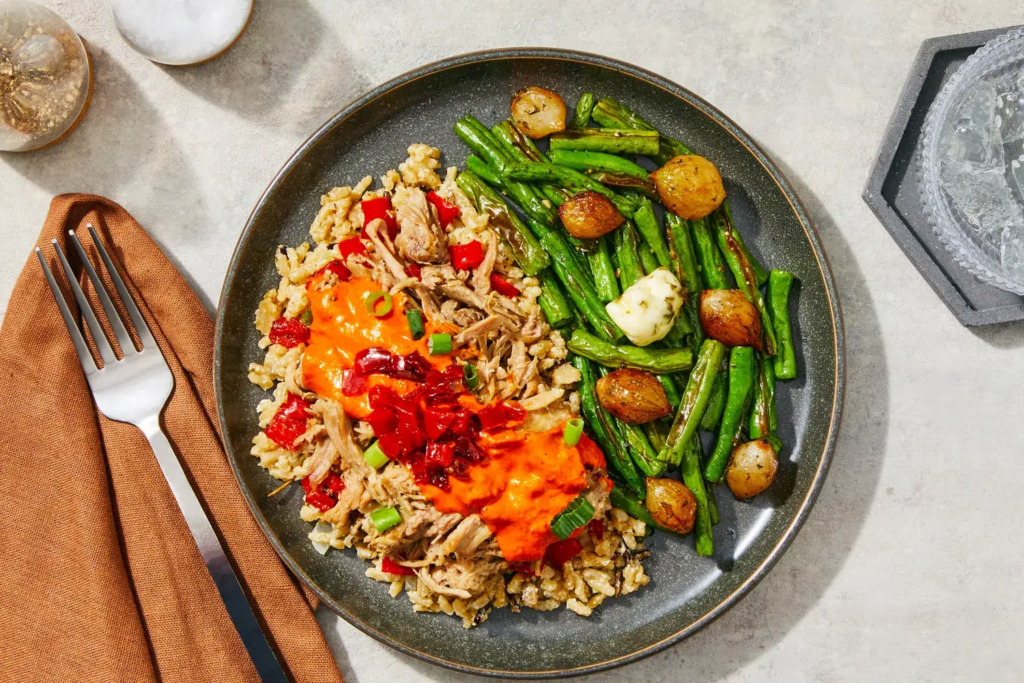
4. Choose the Right Cooking Method
Rice can be a weight-loss-friendly food if preparation methods are changed.
Better options:
• Steamed rice
• Boiled rice
• Plain basmati rice
• Brown rice
• Steamed buns or dumplings without oil (no chow fun)
Rice bowls with grilled protein
Limit these options:
• Fried rice
• Butter rice
• Rice fried in a lot of oil.
• Creamy rice dishes
• Rice topped with deep-fried foods
While the rice is the same, the number of calories is not.
5. Control Sauces and Oils
A lot of people forget to count the sauces but don’t forget the rice! This is a big mistake.
About 120 calories can be added by one tablespoon of oil. Add a creamy sauce, mayonnaise, or an oily curry to get hundreds of extra calories, but little added satisfaction.
Use flavor from:
• Lemon juice
• Garlic
• Chili flakes
• Black pepper
• Fresh herbs
• Vinegar
• Low-fat yogurt sauce
• Salsa
• Spices
There’s no need for boring food. Flavor is all you need, no need for extra calories.
6. Build a Calorie Deficit Without Starving
It’s not necessary to skip meals. There’s no need to set aside salads for the main meal. Calorie deficit is required.
A calorie deficit occurs when your body consumes more calories than you consume. This may be through a slight reduction in caloric intake, increased activity or a combination of both. Calorie balance is emphasized in research and public health recommendations for weight loss.
A smart deficit is one that you can feel comfortable with. Being on a crash diet sucks!
Better approach:
• Reduce rice slightly
• Increase vegetables
• Add protein
• Walk daily
• Avoid sugary drinks
• Sleep better
• Do a food audit for awareness
This is the way to shed pounds without being penalized.
7. Stop Calling Carbs “Bad”
This attitude kills consistency. By labeling rice as “bad,” you might deprive yourself of it for several days, but then “eat everything you can” of it later because you feel like you “should” be eating it.
Not all carbohydrates are bad. Brown rice and other whole grains are good sources of fiber and nutrients, and nutrition advice frequently includes consuming whole grains for a portion of your grain consumption.
White rice can be incorporated into your plan, too. It’s all about portion sizes and balance.
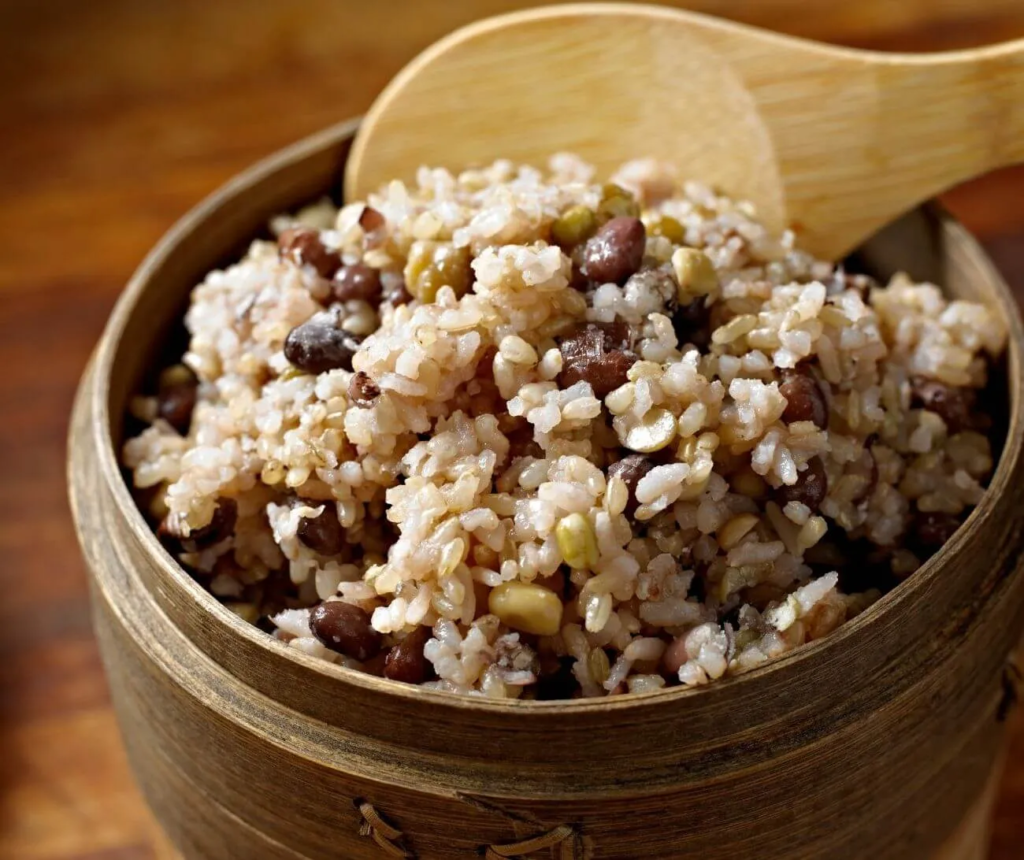
White Rice vs Brown Rice for Weight Loss
Is White Rice Okay?
Yes, white rice is okay for weight loss if your portion is controlled. It is easy to digest, affordable, and common in many cultures. The main downside is that it has less fiber than brown rice, so you may need more vegetables and protein to stay full.
Is Brown Rice Better?
Brown rice has more fiber because it is less refined. That may help some people feel fuller for longer. But if you hate brown rice and cannot stick to it, white rice in the right portion is still better than quitting your plan completely.
Best Choice
Choose the rice you enjoy and can control. Weight loss depends more on your total calories, meal balance, and consistency than on a single rice type.
Sample Rice Meal Plan for Weight Loss
Breakfast
Choose one:
- Two eggs with vegetables
- Greek yogurt with fruit
- Oats with cinnamon and berries
- Cottage cheese with cucumber
Lunch
Try this rice plate:
- ½ to 1 cup cooked rice
- Grilled chicken, fish, tofu, lentils, or beans
- Large salad
- Yogurt sauce or lemon dressing
- Water or unsweetened tea
Snack
Choose one:
- Apple
- Boiled egg
- Cucumber and hummus
- Low-fat yogurt
- Protein smoothie
- Carrot sticks
Dinner
Keep dinner lighter:
- Small rice bowl
- Steamed vegetables
- Lean protein
- Light sauce
- No sugary drink
This kind of plan feels normal, not extreme. That is why it is easier to follow.
Best Rice Bowl Idea for Weight Loss
High-Protein Chicken Rice Bowl
Use:
- ½ cup cooked rice
- 120–150g grilled chicken
- 1 cup of cucumber and lettuce
- ½ cup tomatoes
- ¼ cup beans or chickpeas
- 2 tablespoons low-fat yogurt sauce
- Lemon, garlic, chili, and black pepper
This bowl gives you carbs, protein, fiber, and flavor. It also feels like a real meal, not “diet food.”
Mistakes to Avoid
Eating Unlimited Rice Because It Is “Healthy”
Healthy does not mean unlimited. Calories still count.
Removing Rice Completely
This can make cravings worse. A controlled portion is easier to maintain.
Forgetting Protein
Rice without protein may not keep you full.
Drinking Calories
Soda, juice, sweet tea, and fancy coffee can ruin your deficit quickly.
Expecting Fast Results
Consistency is the key to healthy weight loss. CDC guidance also emphasizes that the lifestyle approach to weight loss, which involves eating patterns, physical activity, sleep, and stress management, is the best way to lose weight.
Quick Answer: Can You Lose Weight Eating Rice?
Of course, one can lose weight when eating rice. A rice diet for weight loss is effective if you pay attention to portion sizes, eat fewer calories than you burn, incorporate protein, increase your vegetable intake, limit oil and avoid sugary beverages. Don’t completely cut out carbohydrates. It is important to create balanced meals that will help you to feel full and consistent.
Conclusion
With the right treatment and portion sizes, you can lose weight with rice. You won’t be depriving yourself or eliminating all of the foods you like. The aim is to generate a calorie deficit, but still be able to repeat meals.
Rice does not have to be eliminated from your diet. You can still enjoy your favourite carbs on your plate! It simply requires a smaller portion size, better protein, more veggies, fewer calories in the back, and a strategy that works for you.
Weight loss success is not fear-based. It’s based on balance, patience, and consistency. Rice can be a part of that journey.
Read more of our women’s fitness blogs on our website Shesimplifies.
Frequently Asked Questions (FAQs)
Yes. You can eat rice daily and lose weight if your total calories stay within a calorie deficit.
Most people can start with ½ to 1 cup of cooked rice per meal, depending on their body size, activity level, and calorie target.
No. White rice is not bad by itself. The issue is usually large portions, oily sides, sugary drinks, and high-calorie sauces.
Brown rice has more fiber, but both can fit into a weight-loss plan. Choose the one you enjoy and can portion correctly.
Rice does not directly cause belly fat. Eating too many total calories over time can lead to fat gain, including around the belly.
Eat rice with lean protein, vegetables, salad, beans, lentils, tofu, fish, chicken, eggs, or low-fat yogurt sauce.
No. You do not need to stop carbs completely. You need to manage calories, portions, and food quality.
Fried rice is usually higher in calories because of oil and sauces. Plain rice with protein and vegetables is usually a better option.