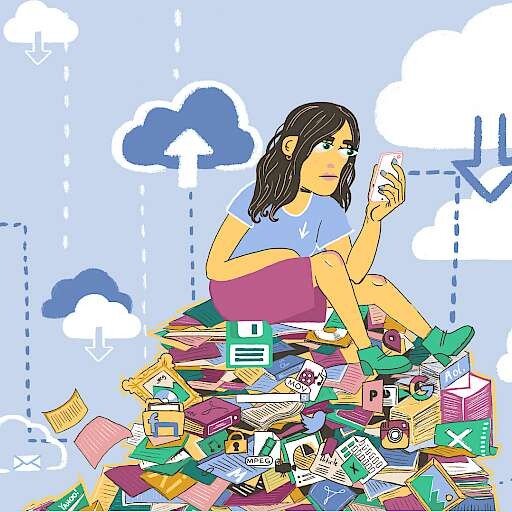
In today’s connected world, digital hoarding in women is becoming increasingly common. While most people recognize physical clutter, many overlook the growing accumulation of digital files, screenshots, emails, photos, apps, and documents stored across devices. What may seem harmless can gradually lead to digital clutter, stress, reduced productivity, and emotional overwhelm..
This article explores the causes, effects, and practical solutions for digital hoarding while helping women create healthier digital habits and a more organized online life.
What Is Digital Hoarding in Women?
Digital hoarding in women refers to the excessive accumulation of digital content and the inability or reluctance to delete unnecessary files, photos, emails, messages, or online information.
Unlike physical hoarding, digital clutter doesn’t take up visible space. However, it can still create emotional and mental burdens.
Common examples include:
- Saving thousands of photos without organizing them
- Keeping unread emails for years
- Downloading documents that are never used
- Storing duplicate files across devices
- Saving excessive screenshots from social media
- Keeping unused apps installed
- Holding onto old messages and conversations
The behavior often develops gradually and may go unnoticed until devices become difficult to manage.
Why Is Digital Hoarding More Common Among Women?
Several emotional, psychological, and lifestyle factors contribute to digital hoarding tendencies.
Emotional Attachment to Digital Memories
Women often use photos and digital records to preserve meaningful life moments.
Examples include:
- Family photographs
- Children’s milestones
- Vacation memories
- Important conversations
- Personal achievements
This emotional attachment can make deleting digital content feel like losing memories.
Fear of Needing Information Later
Many women save articles, recipes, PDFs, shopping ideas, and work documents because they fear they might need them someday.
This “just in case” mindset is one of the strongest drivers of digital accumulation.
Managing Multiple Roles
Women frequently balance:
- Careers
- Parenting
- Household management
- Social relationships
- Personal development
The constant flow of information often leads to saving content for future review, contributing to online clutter.

11 Powerful Signs of Digital Hoarding in Women
1. Thousands of Unorganized Photos
One of the most common forms of photo hoarding is keeping every image without deleting duplicates or blurry shots.
2. Email Overload
Women experiencing email overload may have thousands of unread messages accumulating over time.
3. Excessive Screenshots
Saving screenshots of products, recipes, quotes, and social media posts without revisiting them is a common sign.
4. Cloud Storage Overflow
Poor cloud storage management often results in paying for additional storage while rarely accessing stored files.
5. Hundreds of Browser Tabs Open
Keeping numerous tabs open due to fear of forgetting information can contribute to digital stress.
6. Difficulty Deleting Files
Feeling anxious or guilty when deleting digital content is a key warning sign.
7. Saving Every Message Thread
Old text messages and chats are often preserved indefinitely.
8. Multiple Duplicate Files
Duplicate documents, photos, and downloads create unnecessary clutter.
9. Constant Information Collection
Women affected by information overload frequently save articles faster than they can consume them.
10. App Accumulation
Unused applications remain installed despite no longer serving a purpose.
11. Feeling Overwhelmed by Devices
Opening a phone or laptop creates stress because of accumulated digital content.
The Connection Between Digital Clutter and Mental Health
How Digital Clutter Impacts Mental Well-Being
Research increasingly shows links between mental health and technology usage patterns.
Excessive digital clutter can contribute to:
- Anxiety
- Mental fatigue
- Reduced focus
- Decision fatigue
- Increased stress
- Feelings of overwhelm
When digital environments become chaotic, the brain must process more information, leading to cognitive overload.
Technology Stress and Emotional Exhaustion
Technology stress often develops when women constantly manage notifications, files, emails, and digital tasks.
Common symptoms include:
- Difficulty concentrating
- Feeling mentally drained
- Reduced productivity
- Sleep disruption
- Increased irritability
If constant technology use is causing stress, you may also benefit from learning how to manage AI Anxiety for Women and build confidence in an increasingly digital world.
Digital Hoarding vs Digital Minimalism
| Digital Hoarding | Digital Minimalism |
|---|---|
| Saves everything | Keeps only essential items |
| Creates digital clutter | Promotes organization |
| Leads to information overload | Encourages focus |
| Increases stress | Supports digital wellness |
| Difficult to manage files | Simplifies digital life |
| Reduces productivity | Improves efficiency |
Adopting digital minimalism doesn’t mean deleting everything. It means keeping only what truly adds value.
How Smartphone Addiction Fuels Digital Hoarding
The Role of Constant Connectivity
Smartphone addiction often contributes significantly to digital hoarding.
People continuously:
- Save posts
- Take screenshots
- Download content
- Store photos
- Bookmark articles
The ease of saving information creates a cycle of accumulation.
Social Media and Online Clutter
Social media platforms encourage users to save content indefinitely.
This contributes to:
- Excessive screenshots
- Saved posts collections
- Duplicate photos
- Unused downloads
The result is growing online clutter across multiple devices.

Effective Digital Decluttering Strategies for Women
Start With Photos
A practical approach to digital decluttering begins with photo organization.
Steps include:
- Delete blurry images
- Remove duplicates
- Create albums
- Back up important memories
Tackle Email Overload
To reduce email overload:
- Unsubscribe from unnecessary newsletters
- Archive old messages
- Delete promotional emails
- Create email folders
Organize Cloud Storage
Better cloud storage management can dramatically reduce digital chaos.
Best practices:
- Review files monthly
- Delete duplicates
- Consolidate folders
- Remove outdated documents
Use the One-Minute Rule
If organizing a file takes less than one minute, do it immediately rather than postponing it.
Productivity Tips for Women Managing Digital Clutter
Create Weekly Digital Cleanup Sessions
Schedule 15–30 minutes weekly to:
- Delete unnecessary files
- Clear downloads folders
- Organize photos
- Manage emails
Establish Better Digital Habits
Healthy digital habits include:
- Limiting screenshots
- Reviewing saved content regularly
- Organizing files immediately
- Using fewer apps
Set Storage Limits
Artificial limits encourage more intentional digital behavior.
Examples:
- Maximum photo storage goals
- Limited screenshot folders
- Monthly email cleanup targets
These are among the most effective productivity tips for women seeking better digital organization.
Building Long-Term Digital Well-being
Focus on Intentional Technology Use
Digital wellness involves using technology consciously rather than automatically.
Key principles include:
- Purposeful saving
- Regular digital decluttering
- Mindful social media use
- Reduced notification overload
Embrace Digital Organization Systems
Strong digital organization systems make maintaining a clutter-free environment easier.
Consider:
- Organized folder structures
- Naming conventions
- Scheduled cleanups
- Automated backups
Learn From Digital Minimalism Practices
Many experts recommend adopting aspects of digital minimalism to reduce stress and increase focus.
For additional decluttering inspiration, visit the official resource from Cal Newport’s Digital Minimalism:
Frequently Asked Questions (FAQs)
Digital hoarding in women refers to the excessive saving and retention of digital files, photos, emails, screenshots, and online content that may no longer serve a useful purpose.
Many women attach emotional value to photos because they represent important memories, relationships, and life experiences.
Absolutely. Excessive digital clutter can increase distractions, slow decision-making, and reduce focus.
A weekly review combined with a monthly deep cleanup is often effective for maintaining digital organization.
Digital hoarding involves keeping excessive digital content, while digital minimalism focuses on intentionally retaining only what is valuable and useful.
Conclusion
Digital hoarding in women is a growing challenge in an increasingly connected world. While saving photos, emails, documents, and online content may feel harmless, excessive accumulation can contribute to digital clutter, technology stress, information overload, and reduced well-being.
Fortunately, small but consistent changes can make a significant difference. Through regular digital decluttering, improved digital organization, healthier digital habits, and intentional technology use, women can regain control of their digital environments and enjoy greater productivity, clarity, and digital wellness.
By embracing a balanced approach to technology, it’s possible to preserve meaningful memories without becoming overwhelmed by online clutter.
For more related blogs on health / digital wellbeing, explore our site https://shesimplifies.com/