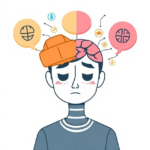
AI anxiety for women is becoming a growing concern in today’s rapidly changing digital world. Artificial intelligence is transforming workplaces, businesses, education, healthcare, and even everyday routines. While AI offers exciting opportunities, many women experience uncertainty, stress, and fear about what these changes may mean for their careers, financial security, and personal lives.
The concern is understandable. News headlines often focus on automation replacing jobs, AI outperforming humans, and the need for new technical skills. For many women balancing careers, family responsibilities, and personal goals, these changes can feel overwhelming.
The good news is that AI does not have to be something to fear. With the right knowledge and mindset, women can adapt, grow, and benefit from the opportunities AI creates.
What Is AI Anxiety?
AI anxiety refers to feelings of stress, worry, uncertainty, or fear related to artificial intelligence and its impact on life and work.
Women may experience AI anxiety because of concerns such as:
- Job displacement due to automation
- Falling behind in technology skills
- Fear of being replaced by AI tools
- Uncertainty about future career opportunities
- Concerns about privacy and security
- Pressure to continuously learn new technologies
While these concerns are valid, understanding the reality behind AI can help reduce unnecessary fear.
Why AI Anxiety for Women Is Increasing
Several factors contribute to rising AI anxiety among women.
Rapid Workplace Changes
Many industries are adopting AI tools faster than ever before. Tasks once performed manually can now be automated, creating uncertainty about future job roles.
Technology Skills Gap
Women remain underrepresented in many technology-related fields. This can create additional pressure when AI becomes a major workplace requirement.
Media Fear Narratives
Sensational headlines often focus on worst-case scenarios rather than balanced perspectives.
Examples include:
- “AI Will Replace Millions of Jobs”
- “Humans Will Become Obsolete”
- “Machines Are Taking Over”
Such messages can increase stress and uncertainty.
Balancing Multiple Responsibilities
Women often juggle:
- Careers
- Childcare
- Household management
- Elder care
- Personal development
Adding the pressure of learning AI skills can feel overwhelming.

Common Signs of AI Anxiety for Women
Women experiencing AI-related stress may notice:
| Emotional Signs | Behavioral Signs |
|---|---|
| Worry about the future | Avoiding technology |
| Self-doubt | Procrastinating skill development |
| Fear of job loss | Ignoring AI discussions |
| Feeling overwhelmed | Resisting workplace changes |
| Lack of confidence | Avoiding training opportunities |
Recognizing these signs is the first step toward managing them effectively.
The Real Impact of AI on Women’s Careers
Despite widespread fears, AI is not simply eliminating jobs.
In reality, AI is:
- Transforming job roles
- Creating new opportunities
- Increasing productivity
- Enhancing decision-making
- Supporting creativity
According to the World Economic Forum, technological change is expected to create millions of new jobs alongside those it transforms.
Learn more from the World Economic Forum:
https://www.weforum.org
Rather than replacing all workers, AI is changing how work gets done.
How AI Can Actually Empower Women
Many women focus only on the risks of AI and overlook its advantages.
Increased Flexibility
AI tools can automate repetitive tasks, allowing more time for:
- Strategic work
- Creative projects
- Family responsibilities
- Personal development
Better Business Opportunities
Female entrepreneurs can use AI for:
- Marketing
- Customer service
- Content creation
- Data analysis
- Business planning
Improved Learning Access
AI-powered learning platforms make education more accessible than ever.
Benefits include:
- Personalized learning
- Flexible schedules
- Affordable training
- Faster skill development
11 Powerful Ways to Overcome AI Anxiety

1. Focus on Learning Instead of Fear
Fear often grows when information is limited.
Start by learning:
- What AI is
- What AI cannot do
- How AI affects your industry
- Which skills remain valuable
Knowledge reduces uncertainty.
2. Develop AI Literacy
You do not need to become a programmer.
Basic AI literacy includes understanding:
- ChatGPT
- AI assistants
- Automation tools
- AI-powered software
Small steps build confidence.
3. Strengthen Human Skills
AI excels at data processing but struggles with many human qualities.
Focus on:
- Emotional intelligence
- Leadership
- Creativity
- Communication
- Critical thinking
- Relationship building
These skills remain highly valuable.
4. Avoid Fear-Based Content
Not all information online is balanced.
Limit exposure to:
- Clickbait headlines
- Extreme predictions
- Sensational AI stories
Instead, follow trusted educational sources.
5. Practice Continuous Learning
Successful professionals view learning as an ongoing process.
Try:
- Online courses
- Webinars
- Workshops
- Industry newsletters
Even 15 minutes daily can make a difference.
6. Join Supportive Communities
Connecting with others reduces feelings of isolation.
Consider:
- Women’s networking groups
- Technology communities
- Professional associations
- Online learning forums
Shared experiences often reduce anxiety.
7. Experiment With AI Tools
The best way to reduce fear is through experience.
Start using AI for:
- Writing assistance
- Research
- Scheduling
- Brainstorming
- Productivity
Hands-on use builds familiarity.
8. Reframe AI as a Tool
AI is not your competitor.
Think of AI as:
- A productivity assistant
- A research helper
- A learning resource
- A business support tool
This mindset shift can significantly reduce anxiety.
9. Build Career Adaptability
Future-proof your career by remaining flexible.
Develop:
- Transferable skills
- Digital literacy
- Problem-solving abilities
- Leadership capabilities
Adaptability is more important than predicting every change.
10. Celebrate Progress
Many women underestimate their achievements.
Keep track of:
- New skills learned
- Courses completed
- AI tools explored
- Professional growth milestones
Small wins create momentum.
11. Prioritize Mental Well-Being
Technology changes can be stressful.
Protect your mental health through:
- Exercise
- Adequate sleep
- Mindfulness
- Social support
- Healthy work boundaries
A healthy mind adapts more effectively to change.

AI Anxiety in Different Life Stages
Students
Common concerns:
- Future job prospects
- Skill requirements
- Career uncertainty
Recommended actions:
- Learn digital skills early
- Explore AI tools
- Focus on adaptability
Working Professionals
Common concerns:
- Job security
- Career advancement
- Workplace automation
Recommended actions:
- Upskill regularly
- Embrace workplace technology
- Strengthen leadership skills
Entrepreneurs
Common concerns:
- Competition
- Technology costs
- Rapid innovation
Recommended actions:
- Leverage AI for efficiency
- Automate routine tasks
- Focus on customer relationships
Myths About AI That Increase Anxiety
Myth 1: AI Will Replace Everyone
Reality: Most jobs will evolve rather than disappear.
Myth 2: Only Technical Experts Can Use AI
Reality: Many AI tools are designed for beginners.
Myth 3: Women Are Behind in Technology Forever
Reality: Women continue to make significant contributions to technology and innovation worldwide.
Myth 4: Learning AI Is Too Difficult
Reality: Many modern AI tools require little to no coding knowledge.
Building Confidence in an AI-Driven Future
Confidence comes from action.
Women can prepare for the future by:
- Learning consistently
- Staying curious
- Building professional networks
- Exploring AI tools
- Developing human-centered skills
The goal is not to know everything about AI. The goal is to remain adaptable and confident as technology evolves.
For additional personal growth and lifestyle insights, visit:
https://shesimplifies.com
Conclusion
AI anxiety for women is a real and understandable response to rapid technological change. However, fear does not have to define the future. By focusing on education, adaptability, and personal growth, women can transform anxiety into opportunity.
Artificial intelligence is changing the world, but uniquely human qualities such as empathy, creativity, communication, and leadership remain invaluable. Women who embrace learning and remain open to new possibilities can thrive in the AI era.
The future belongs not to those who fear change, but to those who learn how to work alongside it.
Frequently Asked Questions (FAQs)
AI anxiety for women refers to stress, fear, or uncertainty about how artificial intelligence may affect careers, financial security, education, and daily life.
Many women worry about job automation, changing skill requirements, career competition, and keeping pace with technological advancements.
AI may automate certain tasks, but it is more likely to transform jobs rather than eliminate them. Human skills remain highly valuable.
Women can reduce AI anxiety by learning about AI, developing digital skills, using AI tools, joining supportive communities, and focusing on adaptability.
No. Many AI tools are designed for non-technical users and require little or no coding knowledge.
AI can be both a challenge and an opportunity. Women who embrace learning and adaptability can benefit significantly from AI-driven innovations.