Menopause is NOT the end of a woman’s health story. It’s beginning of a new phase that requires more consciousness, tolerance and attention. Post menopause care assists women to grasp what happens following the end of their periods, their body changes and what health precautions can be taken to help maintain long-term health. The most common signs of menopause include changes in sleep, mood, energy, bones, heart health, and intimate wellness; and it’s typically confirmed after 12 months without a period.
Menopause can leave many women feeling baffled because of the changes happening to them physically, emotionally and personally. Some women go through it without a problem. Others experience hot flashes, night sweats, anxiety, weight gain, vaginal dryness, poor sleep or brain fog. All of this isn’t the way the body is “weak.” It is just that the hormones are shifting, and particularly the estrogen, and the body is adjusting to a different rhythm.
Fortunately, menopause can be controlled with the proper information. An intelligent woman can make intelligent decisions, ask intelligent questions and take intelligent action for her health.
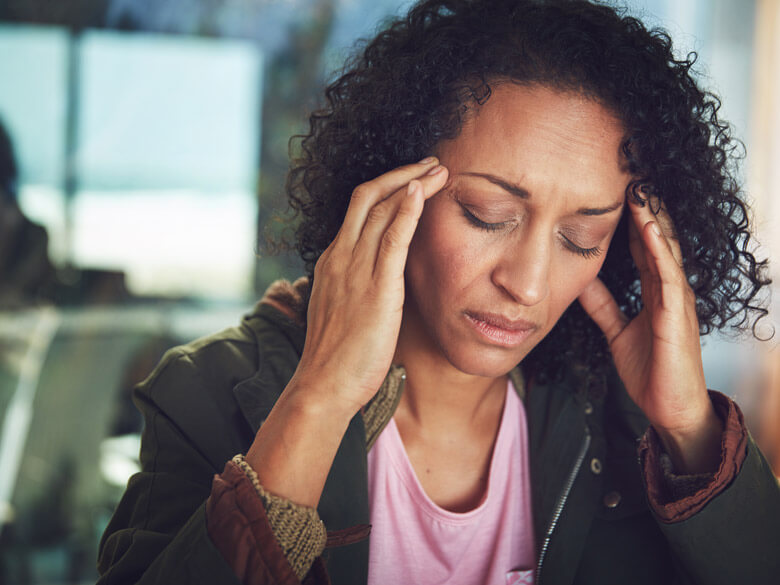
What Is Post Menopause Care and Why Does It Matter?
Post menopause care is the treatment of your body after menopause. Post menopause starts when a woman, for 12 consecutive months, has not had a period. This is a phase that continues throughout life and should not be discounted or “waited out.”
It is simple to see why post menopause care is important: post menopause, the body could be more susceptible to certain health risks. Reduced levels of estrogen may impact bone health, cardiovascular function, urination, skin, sleep and vaginal function. According to the Cleveland Clinic, women in post menopause are more likely to develop osteoporosis and heart disease, and according to NHS Inform, cardiovascular disease, osteoporosis, and urinary tract infections are also concerns after menopause.
It does not imply that these problems will be experienced by all women. It means prevention is increasingly important. Regular check-ups, healthy eating, strengthening exercise, control of stress, and early action to unusual symptoms can make a huge difference.
Changes Women Goes Through
The menopausal period is unique to women. Some just have minor discomfort, whereas others feel like they’ve suddenly morphed into a different body. Hot flushes, night sweats, irregular periods (as the transition progresses), mood changes, sleep difficulties, painful sex, weight gain and reduced libido are all common symptoms.

Post Menopause Care for Hot Flashes and Night Sweats
There are several options for taking care of hot flashes and night sweats after menopause.
Hot flashes are an abrupt onset of heat and can radiate across the face, neck and chest. Hot flashes that occur at night are called night sweats. Can wake a lady multiple times through the night and make her tired the subsequent morning.
There are ways to make it easier. Light clothing, cool bedroom, fan, cool showers, stress reduction, regular exercise and avoiding triggers such as spicy food, caffeine, alcohol, hot drinks and smoking can help decrease hot flushes and night sweats.
If symptoms are extreme, a doctor may discuss treatment options. For some women, hormone therapy will help with hot flashes, although not all women can take it. Doctors usually do not treat menopause itself, but they may recommend treatment to ease menopausal symptoms and manage age-related health issues.
Post Menopause Care for Mood Swings and Anxiety
For most women, changes in mood are a familiar menopausal symptom. Calm one moment, crying and irritated the next, this could be a woman. Some people experience anxiety, low mood, low self-esteem and ‘brain fog’ at menopause and perimenopause as well.
This can be frustrating as the emotional shifts are not always noticeable to others. Even if a woman looks well, she might be mentally drained in the inside. Mood symptoms may intensify with sleep deprivation and everyday tasks may feel like a burden.
Regular sleep patterns, some light exercise, breathing exercises, journaling, talking with supportive individuals, and talking to a therapist when sadness or anxiety is overwhelming are helpful steps. While the process of menopause happens naturally, it should not be a normal experience to suffer through.
But what happens after menopause?
Once a woman has stopped her periods, they will not return. The body continues adjusting, however. Symptoms can become less severe or may even go away, but others may persist for years. Post menopause can also introduce new health concerns, particularly in the areas of bone, heart, urinary, and sexual health.
The main rule to remember is: Always ask your health care provider if you bleed after menopause. Doctors define menopause as 12 months without bleeding, so women should never ignore any bleeding, spotting, or unusual discharge after that.
Women may experience other changes in their bodies following menopause, such as altered body shape. Weight may deposit around the stomach area. There may be a drier sensation on the skin. Thinning of hair might occur. Joints could be more stiff. Vulva and vagina can get drier and more sensitive.Vulva and vagina can become dry and irritated. These changes may impact self-confidence, relationships and everyday comfort.
Life after the menopause can be liberating as well. There are no monthly periods. No period pain. No fear of unexpected bleeding. Many women use this stage to prioritize strength, self-care, and health choices they may have delayed for years.
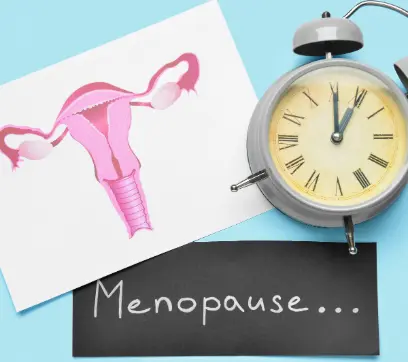
Important Precautions After Menopause
After menopause precautions are not about fear. They are prevention-related. Now it’s the little choices that can save the body from larger issues.
Protect Bone Health
Bone health begins to take on greater significance after menopause. Reduced levels of estrogen may lead to increased risk of bone loss and osteoporosis. Osteoporosis is listed as a major health issue for postmenopausal women by both Cleveland Clinic and NHS Inform.
A doctor should discuss bone density screening with women, particularly those with the risk factors that include family history, low body weight, smoking, long-term steroid use and previous fractures. Strengthening exercises, resistance training, adequate calcium and vitamin D intake and safe sun exposure can contribute to making bones stronger.
Spend some time on heart health.
After menopause, heart health is even more important. Estrogen changes can impact cholesterol, blood vessels and general cardiovascular risk. Cardiovascular disease is listed as one of increased risks after menopause by NHS inform.
Blood pressure, cholesterol, blood sugar, weight and activity levels should be tracked by women. These are the components of a healthy lifestyle to help keep your heart healthy: walking, strength training, a diet high in whole foods, decreased excess sugar, not smoking, limiting alcohol, and managing stress.
Care for Urinary and Vaginal Health
Menopause may lead to symptoms such as vaginal dryness, sexual discomfort and urinary symptoms. The changes may occur due to the decrease in the levels of oestrogen, which also reduces the health of the tissues of the vagina and the urinary tract. Vaginal and vasomotor symptoms are important symptoms of menopause, according to the ACOG.
It is not hard for women to talk about these symptoms. Lubricants, moisturizers, pelvic floor exercises, and medical treatments may help relieve these symptoms.
Medical advice is necessary if there is burning, repeated urinary tract infections, pain, bleeding or discomfort.
Keep Up With Screenings
With regular health screenings a part of smart post menopause care. NHS Inform recommends regular cancer checks after menopause, including breast screening and cervical screening.
These screening tests might include mammograms, cervical screening as per age and local guidelines, blood pressure, cholesterol, diabetes, bone density, dental, and eye exams. These visits aren’t only for sickness. They assist in early detection of issues.
Lifestyle Tips to Deal With Menopause Better
The best way to make menopause easier is to stop battling their body and to instead support it.
Consume a well-balanced diet that includes protein, fibre, healthy fats, fruits and vegetables as well as whole grains. Protein contributes to muscle strength. Fiber is good for digestion and helps keep your heart healthy. Healthy fats keep you feeling full and help maintain good health.
Get regular exercise, even if it’s walking. Incorporate strength training 2-3 times per week, if feasible. Confidence, metabolism, balance and strong muscles support the bones.
Prioritize sleep. Maintain a cool room temperature, have a light meal, minimize screen time near bedtime, and develop a relaxing ritual. Mood, cravings, brain fog and fatigue can all be exacerbated by poor sleep.
Take care of stress using daily routines. The nervous system can be calmed through deep breathing, prayer, meditation, stretching, nature walks and quiet time.
Stay connected. Menopause can be lonely because women believe they are not the only ones who experience it. Discussing the experience with friends, family, a support group or health care providers can make it lighter.
When to see a doctor?
Women should see a doctor if symptoms become serious, affect daily life, or feel unusual. They should seek medical help immediately for bleeding after menopause, chest pain, severe depression, repeated urinary infections, painful sex, sudden weight loss, unexplained pelvic pain, or intense hot flushes.
If symptoms of menopause are interfering with sleep, work, relationships or emotional health, women should also ask about treatment. Depending on personal health history, treatments includes lifestyle changes, hormone therapy, non-hormone medications, therapy, vaginal treatment, etc. According to ACOG, there are both hormones and non-hormones to treat menopause symptoms.
Final Thoughts
It can impact the physical, mental, self-esteem, sleep, relationships and overall health. A woman can have a smoother transition into post menopause, prevent bone and heart issues, maintain emotional balance and feel more in control of their health, if they receive proper post menopause care.
Awareness is the key first step. Remember to use your senses. Track your symptoms. If unusual changes occur, don’t discard them. Make healthy habits a gradual change. Seek assistance as necessary. While menopause may bring to a close one scenario, it also signals the beginning of another, with women having the option to take charge of their strengths, wisdom, and self-care.
Explore more women’s health and fitness blogs on SheSimplifies, where we make complicated women’s wellness topics simple, clear, and easy to understand.
FAQs About Post Menopause Care
The ideal post menopause care plan involves routine checkups, healthy diet, strength training, sleep support, stress reduction, bone health maintenance, heart health monitoring and care of vaginal or urinary symptoms.
Once a woman has reached menopause, her periods cease for good. Women may have an improvement in some symptoms, but may also suffer from hot flashes, sleep problems, vaginal dryness, mood changes, weight gain, risk for bone loss, and more heart health problems
Yes. There are some symptoms that persist after menopause like hot flushes, night sweats, sleep disturbances and vaginal dryness. The strength and length of the pain is different for each woman.
Women should take care of their bones, check heart health, get regular screenings, keep a healthy weight, exercise regularly, avoid smoking, limit alcohol, and check with doctor if they menstruate for years without periods.
No. Even light spotting after menopause should always be taken up with a healthcare professional for treatment.
Women can help minimize hot flashes by staying cool, wearing light-colored clothing, avoiding certain triggers, such as caffeine and spicy foods, engaging in regular exercise, practicing stress management and maintaining a healthy weight.
Post menopause care is necessary as lower levels of estrogen can impact bones, heart health, urinary comfort, sexual comfort, sleep and emotional health. Long-term health issues can be avoided with early care.