
So your youngest just started fourth grade, and you’re still catching your reflection in a mirror wondering why your stomach hasn’t caught up with the rest of you. Can you fix your baby belly a decade after giving birth? Short answer: in most cases, yes. Longer answer: it depends on what’s actually going on under that belly, and that distinction changes everything about what will and won’t work for you.
Why the “Baby Belly” Sticks Around So Long
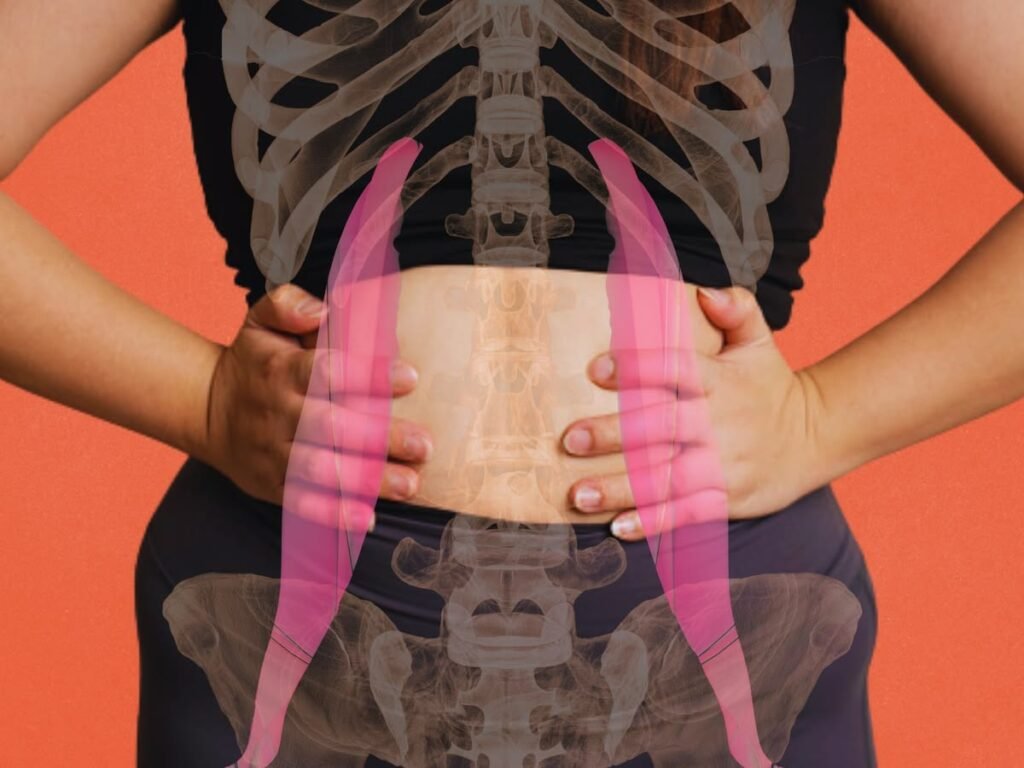
That lingering pooch usually isn’t just leftover fat. During pregnancy, your growing uterus stretches the connective tissue between your left and right abdominal muscles. For some women, that tissue never fully knits back together a condition called diastasis recti. It’s common, it’s not your fault, and according to physical therapy research, it can affect a significant share of postpartum women well beyond the first year.
How to Tell If It’s Diastasis Recti or Just Extra Weight
A quick self-check most physical therapists recommend:
- Lie on your back with knees bent, feet flat on the floor.
- Lift your head slightly, like the start of a crunch.
- Feel along the midline of your belly, a few inches above and below your belly button.
- A gap wider than two finger-widths, or a visible doming/tenting shape, usually points to diastasis recti rather than plain fat storage.
If you feel that gap, it’s worth getting it confirmed by an OB-GYN or a pelvic floor physical therapist before starting any belly-focused workout – some popular ab exercises can actually make the separation worse.

So – Can You Fix Your Baby Belly a Decade After Giving Birth?
Here’s the encouraging part: tissue doesn’t have an expiration date on healing. Whether you had your last baby 3 years ago or 13, your core can still respond to the right kind of consistent work. What changes with time isn’t whether it’s possible — it’s how long it typically takes and which approach fits your case.
| Approach | Best For | Typical Timeline |
|---|---|---|
| Targeted core exercises | Mild to moderate separation, mostly cosmetic concerns | 8–16 weeks for early changes |
| Physical therapy program | Moderate to severe cases, or ongoing back pain | 3–6 months |
| Bracing or support garments | Added support alongside exercise, not a standalone fix | Ongoing, used short-term |
| Lifestyle and posture changes | Everyone, regardless of severity | Ongoing habit |
| Surgery (abdominoplasty) | Severe separation, hernias, or when exercise alone hasn’t worked | Weeks to months of recovery |
Exercises Worth Trying (and What to Skip)
What Tends to Help
- Deep core breathing — engaging the transverse abdominis with slow, controlled breaths before adding movement.
- Modified planks and bird-dogs — build stability without straining the midline.
- Pelvic tilts and bridges — strengthen the lower core and glutes together.
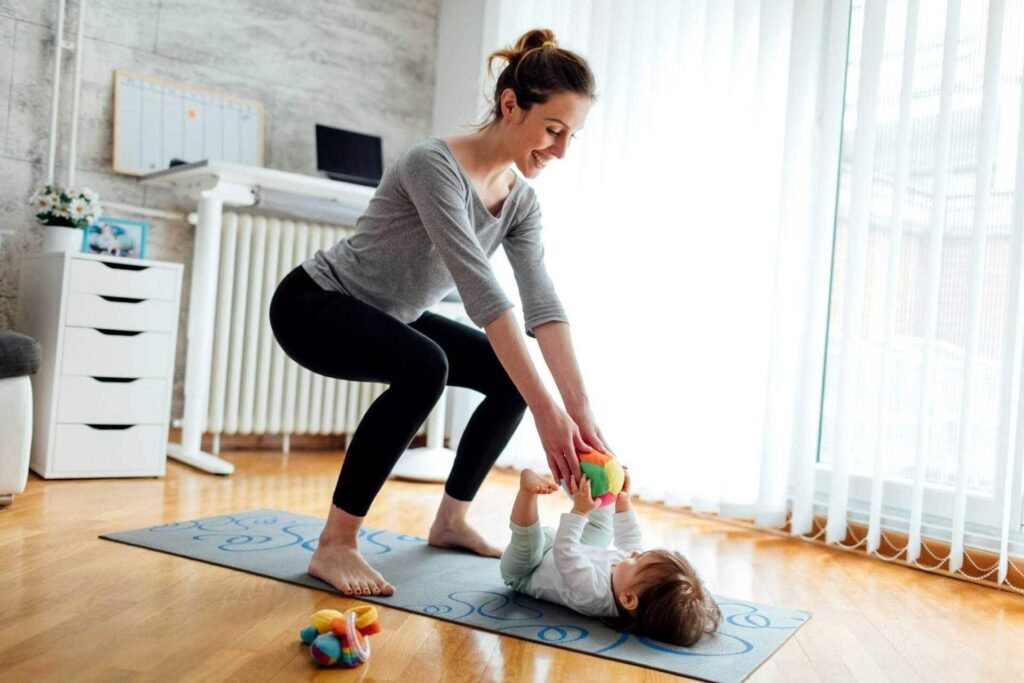
- Standing core work — squats and step-ups done with proper bracing reinforce everyday core function.
What Usually Makes It Worse
- Traditional crunches or sit-ups
- Heavy, unmodified planks too early in a program
- Any move that causes your belly to “dome” or “cone” outward
When Exercise Alone Isn’t Enough
For some women, especially those with a gap wider than roughly two inches, ongoing pain, or an umbilical hernia, exercise and physical therapy won’t fully close the separation – and that’s not a failure on your part. In those cases, doctors may discuss surgical repair, sometimes combined with a tummy tuck to also address loose skin. Surgery is generally considered a later step, not a first one, and most surgeons still want to see a solid core-strengthening effort tried first.
Realistic Expectations Before You Start

Building This Into a Life That’s Already Full
Fixing your baby belly a decade later isn’t really about vanity – for a lot of women, it’s the last piece of feeling fully like themselves again after years of putting everyone else first. If you’re working on that bigger picture, our guide to building real emotional resilience pairs well with the physical side of this rebuild. Pairing a body goal with a mindset shift tends to stick longer, and these books that build unstoppable confidence are a good next read for that. If juggling this alongside a demanding home life feels familiar, our relationship and family section speaks directly to that stretched-thin season, and you can browse more real stories from women rebuilding after big life changes for extra motivation.
For deeper clinical detail on diagnosis and treatment options, the Cleveland Clinic’s guide to diastasis recti is a solid, doctor-reviewed resource to read alongside this article.
FAQ: Fixing Your Baby Belly Years After Giving Birth
No. Healing timelines vary by severity, but connective tissue and muscle function can still respond to targeted work even a decade or more after your last pregnancy.
Diet helps reduce the fat layer sitting over your abdominal muscles, but it won’t close an actual muscle separation that requires targeted core work, and sometimes surgery for severe cases.
If you notice ongoing back pain, urinary leakage, or a gap wider than two finger-widths, see a pelvic floor physical therapist before starting a general core program.
A tummy tuck (abdominoplasty) can surgically repair the muscle separation and remove excess skin, but maintaining results still depends on continued core strength and a healthy weight afterward.
Final Thought
If you’ve spent years assuming this was just how your body is now, it’s worth revisiting that assumption. Whether the right next step for you is a home exercise routine, a few sessions with a pelvic floor physical therapist, or a conversation with a surgeon, the timeline on healing is longer than most people think – and a decade later is still well within it.
Have you noticed changes in your core since starting a targeted routine? Share your experience in the comments, and pass this along to a mom still wondering if it’s “too late” for her.