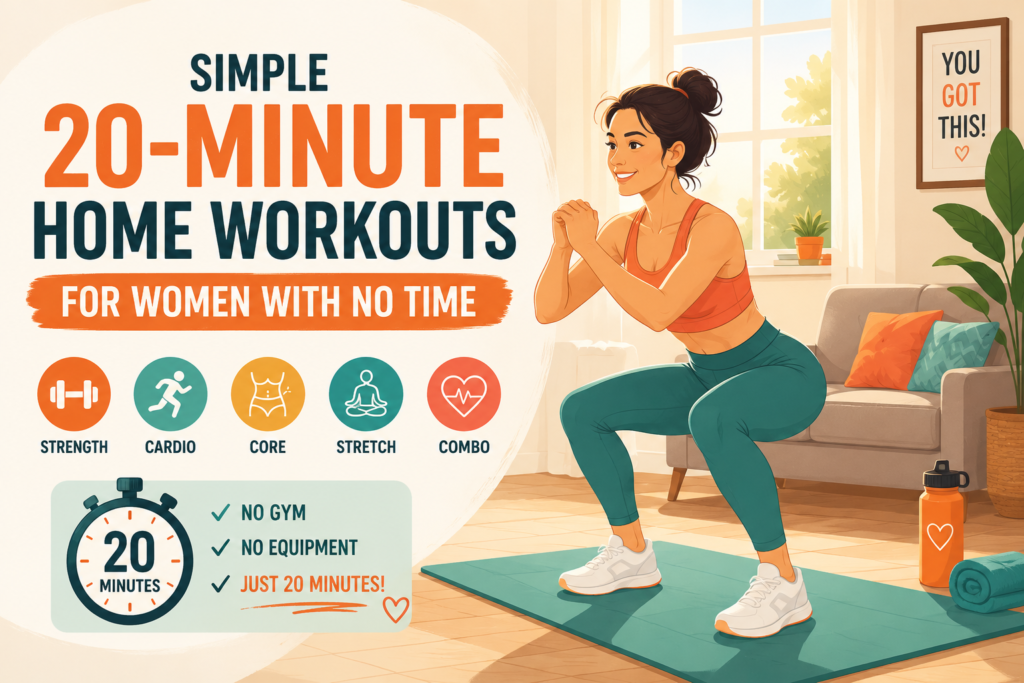
Finding time to work out is hard when there is much to do in life. Your schedule might only allow time for a 20 minute workout. That is okay to be considered a real workout.
These 20 minute home workouts for women are especially helpful on days when you want to exercise. Your schedule is already full. You don’t need a gym membership, a lot of expensive equipment or even a full hour of your day. You just need 20 minutes and a little bit of motivation to begin. If you’re also looking for ways to make your daily routine less stressful SheSimplifies shares helpful ideas for making life easier one small step at a time.
Why ‘No Time’ Doesn’t Have to Mean ‘No Workout’
Many people think they need a hour to get in a real workout but the truth is that full hour just isn’t there for most people.
The good news is that shorter periods of physical activity can be helpful. As explained in the CDC physical activity guidelines the important thing is to get your heart rate up. It is even okay to break it up during the day.
According to the World Health Organization, adults should aim to get 150 to 300 minutes of intensity physical activity per week in addition to doing muscle-strengthening activities on two or more days a week.
You also don’t need to worry about hitting that number away. Maybe the best approach is to start small be active and slowly increase over time. There are also barriers to working out.
A lot of the time we think we need to be exhausted to count a workout. We need to remember that a 20 minute workout that is focused and has high intensity is going to be just as good as a typical hour workout and it might be easier to keep going.
5 Different 20-Minute Routines to Try
Not every day feels the same, so your workout doesn’t have to either.
Some days you might feel full of energy. Days a gentle stretch might be exactly what you need. Here are five simple options you can switch between during the week.
| Routine | Main Focus | Sample Structure |
|---|---|---|
| Strength | Muscle & bone strength | 3 rounds of squats, push-ups, glute bridges, and plank |
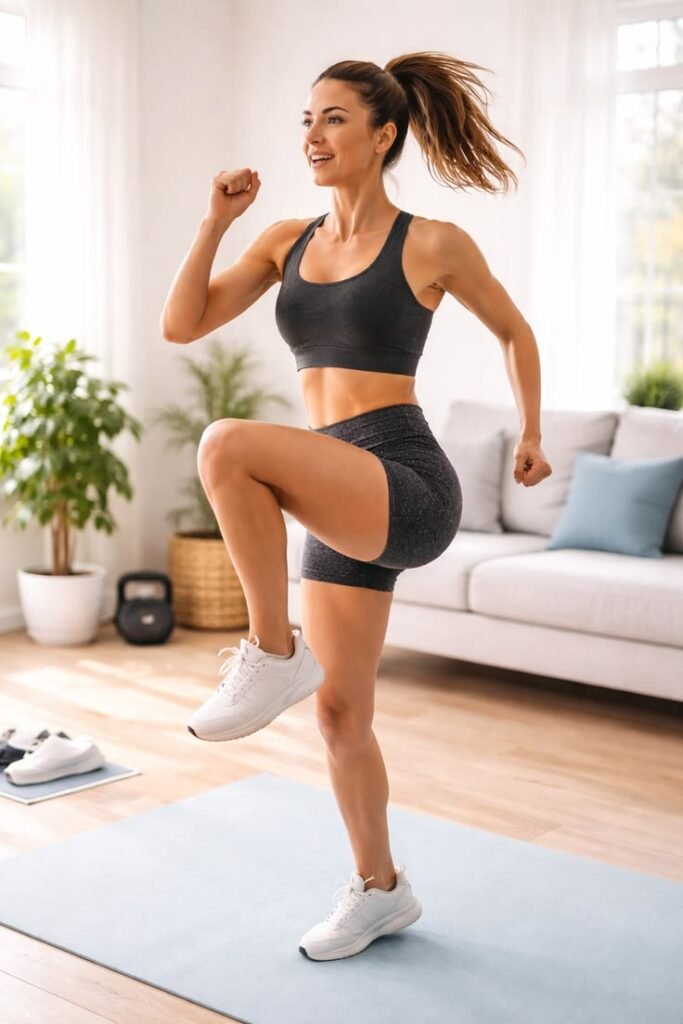
| Cardio | Heart health & endurance | Jumping jacks, high knees, mountain climbers, and short rests |
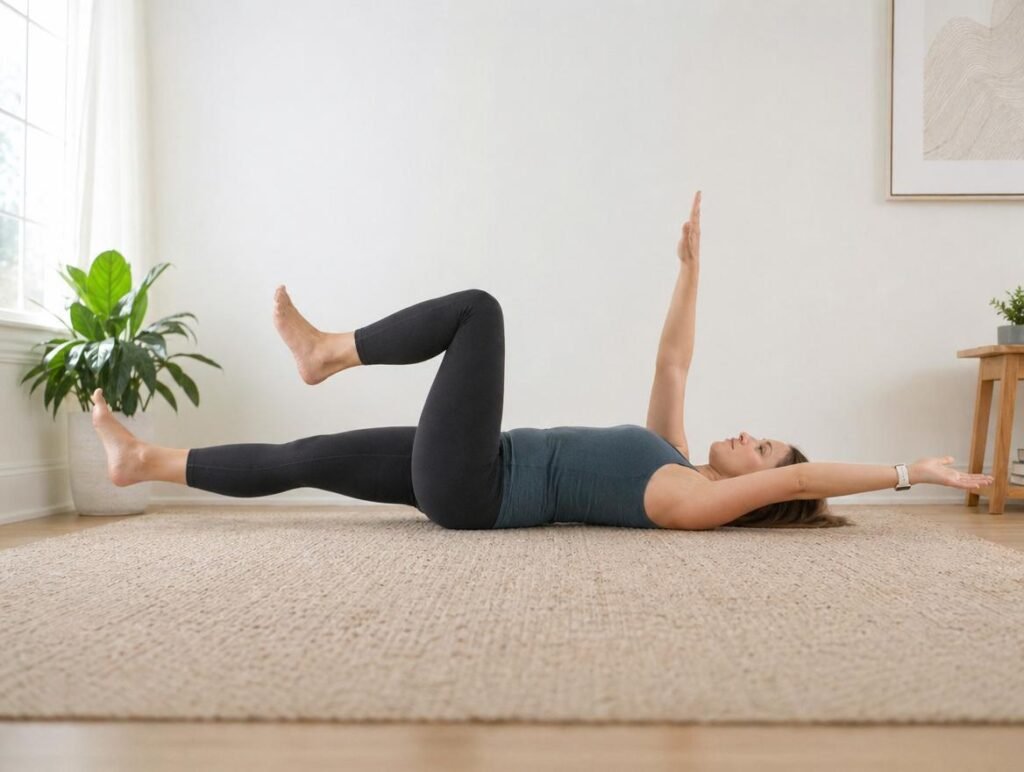
| Core | Stability & balance | Bicycle crunches, dead bugs, side planks, and leg raises |
| Stretch | Mobility & recovery | Hip openers, hamstring stretches, cat-cow, and shoulder rolls |
| Combo | Full-body fitness | Rotate between strength, cardio, and core exercises |
Strength Day
If building strength without the use of weights is what you’re after, consider this.
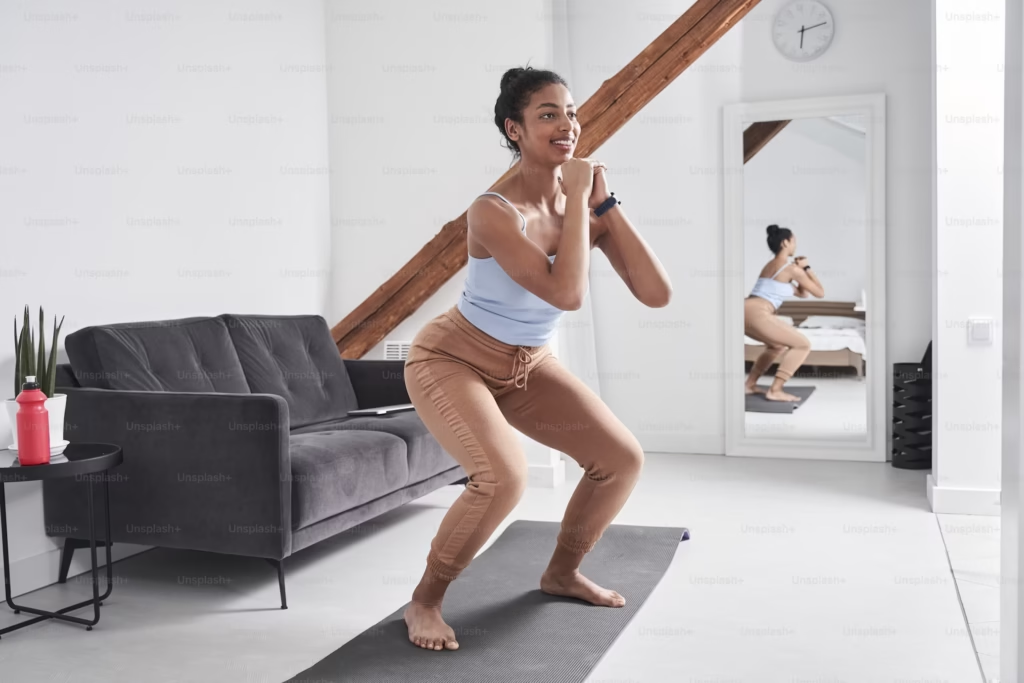
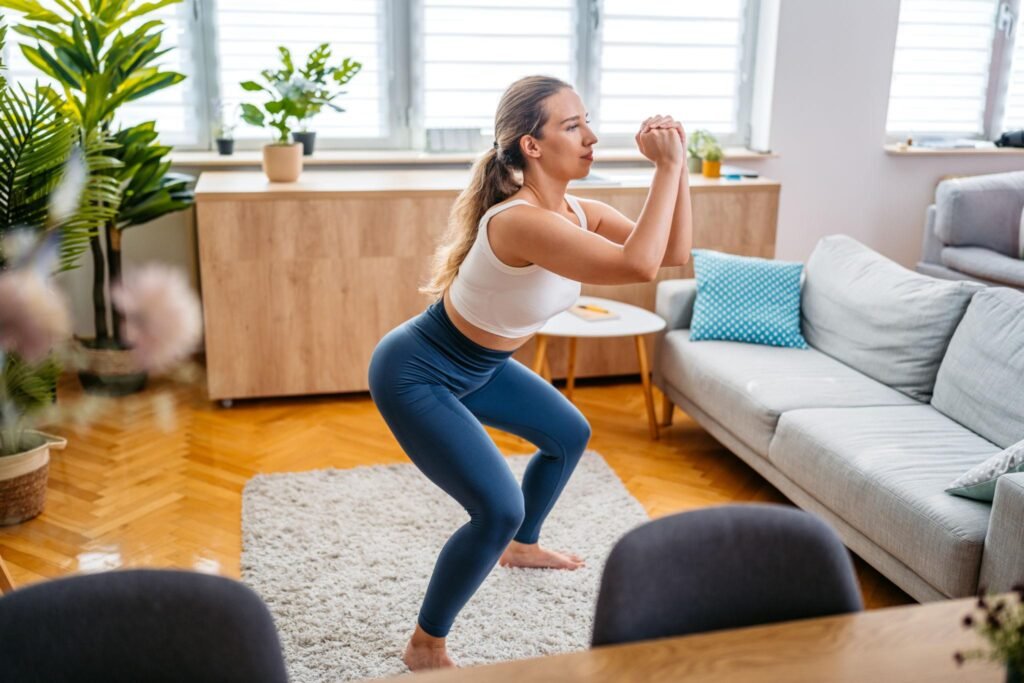
- Legs and glutes can be targeted with squats. They can even make getting up from a chair easier.
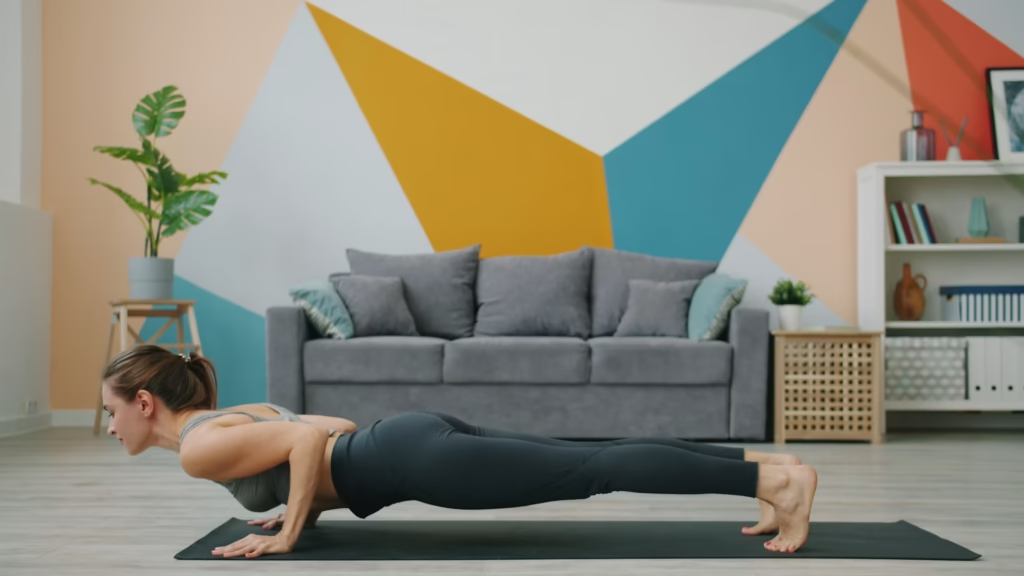
- Regular push-ups are tough, so push up from your knees or the wall to strengthen your chest, shoulders and arms.
- Glute bridges strengthen hips and glutes and are great if you sit all day.
- Planks help strengthen your core which is a great stabilizer.
Do each of these exercises for 40 seconds, and take 20-second breaks in between the exercises. Repeat this three times.
Strength doesn’t take a difficult program to build. The American College of Sports Medicine also emphasizes making resistance training practical and consistent rather than unnecessarily complicated.
Cardio Day
Looking for an easy way to elevate your heart rate? Try this short workout.
Try:
- Jumping jacks
- High knees
- Mountain climbers
- Rest
Each exercise should be done for 45 seconds followed by a 15 second break.
This workout requires no equipment. Jumping Jacks can be done in a small workout space around your home.
If this workout seems high impact, feel free to adjust accordingly. For example, instead of jumping, try stepping out one leg at a time for jumping jacks.
Core Day
This workout can be easily done in a small space.This list of exercises will help strengthen your core even more.
Try adding:
- Bicycle crunches
- Dead bugs
- Side planks
- Leg raises
If side planks are too challenging at first, keep your bottom knee on the floor for extra support.
The goal isn’t to rush through the exercises. Focus on controlled movements and good form instead.
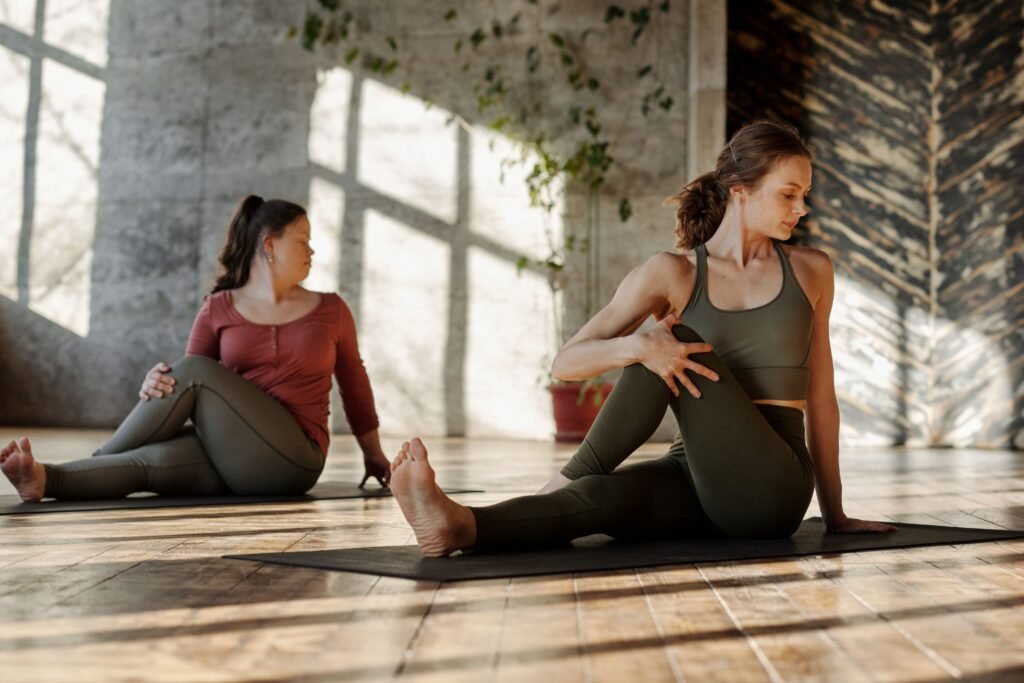
Stretch Day
Not every workout needs to leave you sweaty.
A stretching day can give your body a chance to move, loosen up, and recover especially if you spend a lot of time sitting at a desk or looking at a screen.
Try a slow 20-minute routine with:
- Hip openers
- Hamstring stretches
- Cat-cow
- Child’s pose
- Shoulder rolls
Move slowly, breathe normally, and never force yourself into a painful position.
Think of this as a reset for your body rather than another workout you have to “push through.”
Combo Day
Can’t decide what kind of workout you need?
Go with a little bit of everything.
For example, choose:
- One strength exercise
- One cardio exercise
- One core exercise
Repeat the combination for 20 minutes, taking short breaks whenever you need them.
This is a great option for days when you want a full-body workout without spending too much time on one particular area.
How to Fit a 20-Minute Workout Into a Busy Week
Finding time to exercise for 20 minutes versus an hour can be less time restrictive due to the difficulty of scheduling and waiting for the perfect time to present itself for an hour workout.
The following simple habits are suggested:
- Link your workout to something you already do. Exercise after your morning coffee before your shower or after the kids leave for school. Having a regular trigger makes it easier to remember.
- Keep your workout clothes somewhere you can see them. If your shoes and clothes are ready that is one excuse to delay.
- Use a timer. Set your 20 minutes. Focus on the workout instead of checking the clock all the time.
- Don’t worry about being perfect. Four workouts weeks are better than trying to exercise every single day getting overwhelmed and then giving up.
And if you’re trying to simplify other areas of your life too, our guide on simplifying your life as a woman follows the same idea: do less, but make it easier to stay consistent.
What to Expect During the First Few Weeks
It’s easy to expect big changes right away, but give yourself some time.
Week 1: Your workouts may feel harder than expected. That’s normal. Your body is getting used to doing something new.
Weeks 2–3: You may start noticing small improvements. Everyday activities might feel easier, your posture may improve, and the workouts may not feel quite as intimidating.
Month 1: Don’t worry if you don’t see a dramatic physical transformation yet. Twenty-minute workouts are about building a strong foundation and creating a habit you can maintain.
The biggest win is simply becoming someone who keeps showing up.
Free AI Workout Generators Worth Trying
If deciding what workout to do is the part that takes most of your time AI can help.
You can ask an AI chat tool something like:
“Create a 20 minute beginner-friendly no equipment strength workout that is low impact.”
You can also mention your fitness level, space, equipment or exercises you want to avoid. From there you can ask it to make the workout easier or turn it into a weekly routine.
Course AI can’t watch your form like a real trainer can so it shouldn’t replace professional help when you need it.. When you just need a quick workout idea on a busy day it can save you from spending 20 minutes scrolling through fitness apps trying to decide what to do.
Want more ideas for using AI to make everyday life a little easier? Check out our AI section.
FAQs: 20 minute home workouts for busy women
Yes. Especially if you’re new to exercise, consistent 20-minute strength workouts can help you become stronger. How challenging the workout is and how consistently you do it matter more than simply spending a long time exercising.
No. All of the routines above can be done using your body weight. A yoga mat can make floor exercises more comfortable, but it’s completely optional.
For many women, four or five days of movement works well. You don’t have to do intense workouts every day. Mix strength and cardio with lighter stretching or recovery days.
That’s completely fine. Some movement is better than none. If you only have time for one or two workouts during a particularly busy week, do what you can and start again when your schedule opens up.
You may notice improvements in your energy, fitness, strength, and stamina within the first few weeks. Visible physical changes usually take more time and depend on several things, including your routine, nutrition, sleep, and starting point. Try not to judge your progress only by what you see in the mirror.
Final Thoughts
You don’t need a free schedule to make time for yourself. Twenty minutes is enough to get your body moving build a strength raise your heart rate or simply stretch after a long day. So pick one routine from this list set your timer and give it a try today.
Don’t wait until you suddenly find an hour to spare. Begin with the 20 minutes you do have.. If you know someone who is always saying, “I don’t have time to work out ” send this message to her. She might actually have 20 minutes all.