If you have been struggling to get through the day fueled only by your willpower and a double espresso, you are not alone. Women tend to feel more tired than men, and the standard advice of taking a nap and drinking more coffee does not always work. The reason for that is due to female-specific factors such as hormone levels and the ability to replenish certain nutrients. Luckily there are several things you can do to boost energy levels naturally and stop relying on multiple cups of coffee a day. Below are some of the best-proven ways to increase energy levels in women naturally in 2023.
Quick Answer
To increase energy levels, women should pay special attention to their nutrition, specifically eating balanced meals that prevent large swings in blood sugar levels, avoid deficiencies in certain nutrients, stay hydrated, time workouts around the menstrual cycle, get enough sleep, engage in regular exercise, effectively manage stress, add adaptogens to their diet, spend more time outdoors, minimize sugar consumption, and maintain a consistent daily routine. Chronic fatigue that does not respond to these measures may require a doctor’s visit.
The main reasons why women tend to feel more tired than men
In men and women, tiredness is primarily caused by a lack of restful sleep. For women, however, fatigue is also often triggered by the natural hormonal cycle. It is therefore essential to understand the unique ways in which female hormones affect the female body to effectively identify and address the underlying causes. It can also be caused by female-specific conditions such as pregnancy, childbirth, and menopause. Finally, the pressure women face on a daily basis at work and in personal life has a significant impact on their energy levels.

1. Eat Balanced, Blood-Sugar-Friendly Meals
Eating foods that give your body long-lasting energy, like complex carbohydrates, is an important way to fight fatigue. Quick energy foods, like sweets or white bread, lead to a short burst of energy followed by a longer period of sluggishness. The best meals should be balanced between healthy carbs and protein, and include some fat too.
- Good sources of complex carbs include quinoa, sweet potatoes, and whole grains like oats.
- Protein can be found in lean cuts of meat like chicken or fish, eggs, and legumes like lentils.
- Lastly, don’t forget some fat in your meals. Good options are avocadoes, nuts and nut butters, seeds, and olive oil.
2. Address Common Deficiencies Of Nutrients Essay
Certain nutrients that could be deficient in the diet are known to cause fatigue as a symptom. Some of the deficiencies that are especially common in women are described below:
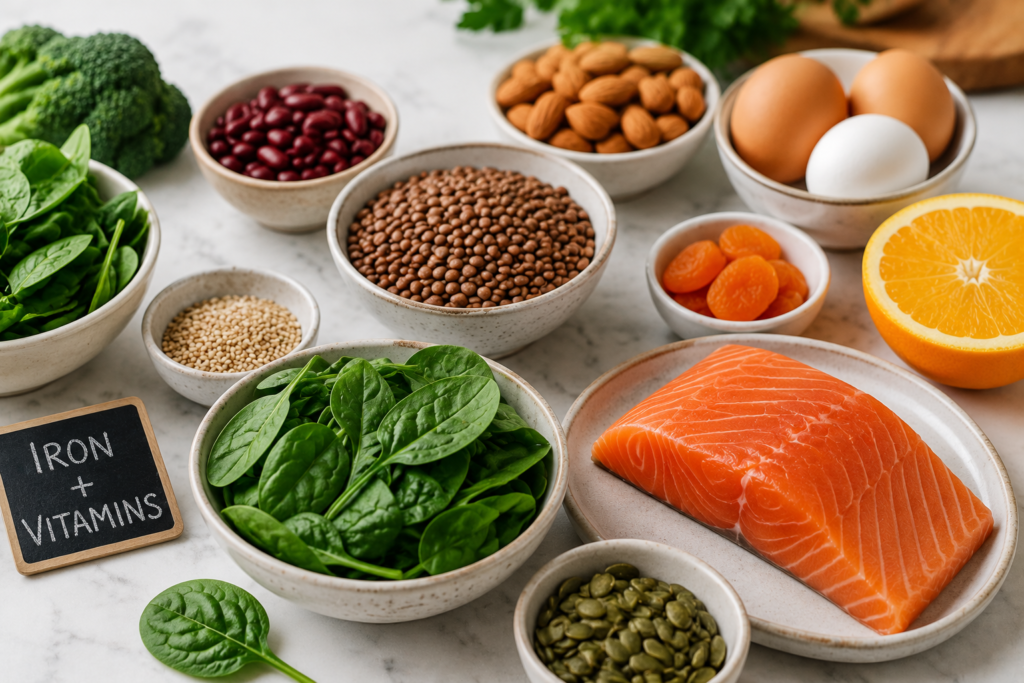
- The deficiency of iron is especially common in women following vegetarian diets or suffering from heavy periods. It is essential for the synthesis of haemoglobin, which transports oxygen around the body. Low levels of this nutrient often lead to tiredness, along with other symptoms like reduced concentration and feeling weak or sore.
- Vitamin B12 deficiency leads to impaired energy production and is also associated with fatigue as a symptom. Individuals following a vegan diet, as well as older people, are at higher risk of this deficiency.
- The lack of vitamin D often provokes tiredness and depression, especially in winter, when it frequently occurs alongside Seasonal Affective Disorder.
3. Stay properly hydrated
Dehydration can cause many of the same symptoms as tiredness – including brain fog, sluggishness, and headaches. So drink plenty of water throughout the day (not just when you’re thirsty), especially during workouts, hot weather, or your period.
4. Time your activities to your menstrual cycle
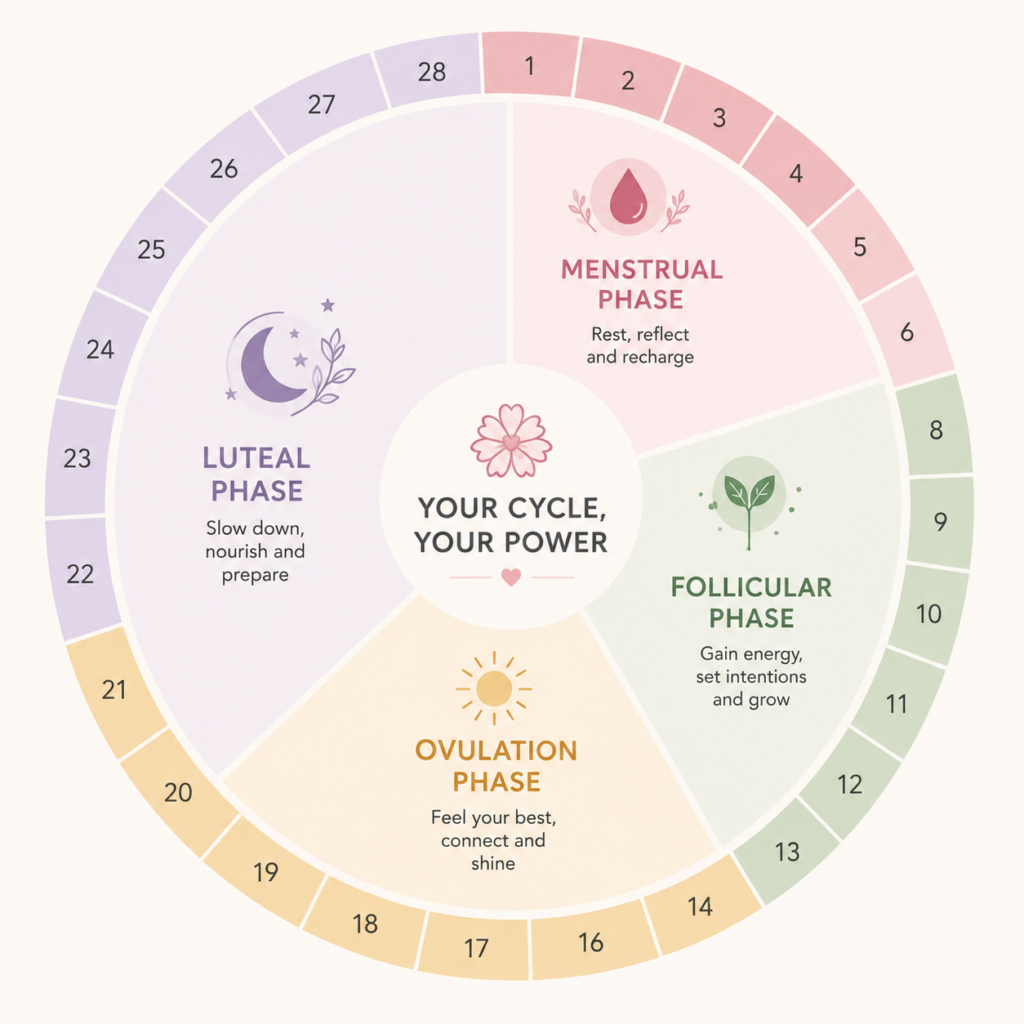
Your energy levels will naturally rise and fall throughout your menstrual cycle. To maximize your energy, work with your cycle, not against it.
During the follicular phase, you’ll likely feel energetic and able to handle more strenuous activities and projects. You should ramp up your efforts during ovulation, when you’ll feel your most energetic.
Then, during the luteal phase, your energy will begin to taper off (so you shouldn’t take on any major projects), and you’ll probably start to experience some PMS symptoms.
Finally, during your period, you’ll feel your most fatigued. You should conserve your energy during this phase and avoid exercising, if possible.
After a few months of tracking your cycle, you’ll be able to predict when your low-energy days will occur.
5. Prioritize 7-9 Hours of Quality Sleep
While lack of sleep is a common source of fatigue, it’s frequently the first sacrifice when time is limited. Aim to get 7-9 hours of sleep every night, and try to establish a relaxing pre-sleep routine to help your body transition into rest mode. This could include things like dimming the lights, drinking herbal tea, stretching, or reading for 30-60 minutes before bed. You may also find that getting an additional 30 minutes of sleep can significantly improve your energy levels during the day.
6. Get Daily Exercise (but Don’t Overdo It)
Exercise can be an excellent energy booster, but it’s essential to listen to your body and not push yourself too hard when you’re already feeling tired. While working out raises endorphin levels and improves circulation, overtraining can lead to increased fatigue, especially when hormones are imbalanced or you’re struggling with stress. Look to do some form of light exercise most days, like:
- Morning walks
- Yoga or stretching
- Light weightlifting
- Dancing
or any other activity that gets you moving. Pay attention to how you feel and adjust based on your energy levels and where you are in your menstrual cycle.

7. Managing stress and reducing mental load
Chronically high levels of cortisol – the stress hormone – can wreak havoc on your body, including weight gain and poor digestion. Plus, studies show that women, in particular, have an additional burden of “mentally taxing” demands and worries – and this invisible load can leave them feeling drained, even after they’ve done minimal physical work. To reduce your mental load, try:
- Short exercises, like deep breathing or meditation
- Being more careful about time management
- Learning to say “no”
- Writing down thoughts and worries
8. Supplements: adaptogens
You may have heard of adaptogens – herbs and roots that supposedly help the body deal with stress and balance hormone levels. There is some scientific evidence to back up their benefits, including:
- Ashwagandha – helps the body handle stress
- Rhodiola – reduces the feeling of stress and boosts mood
- Maca root – balances hormones and helps with stamina
Adaptogens aren’t a cure-all, and it’s best to talk to a healthcare provider before adding them to your routine, especially if you’re pregnant, breastfeeding, or on medication.
9. Get Natural Light Exposure
Your body needs natural light exposure to function optimally. Getting sunlight early in the day can positively impact your overall health and energy levels. Exposure to sunlight, even for 10-15 minutes, resets your circadian rhythm, improving alertness during the day and sleep quality at night.
10. Avoiding Sugar and Processed Foods
Sugar and processed foods cause spikes and crashes in energy levels throughout the day.
11. Creating a Consistent Morning/Evening Routine
A consistent morning and evening routine tells your body what to expect, allowing it to function at its best. The fewer decisions your brain has to make about what to do next, the higher your energy levels will be.
Morning and nightly rituals are an easy way to positively influence your day. You might only have time to commit to one small part of a bigger morning or night ritual, but any consistency will help.
When to See a Doctor
If you are experiencing any of the following problems, it may be a good idea to see your doctor.
- Fatigue not related to your normal patterns and does not improve with the above changes
- Weight loss or gain that is not intentional
- Heavy periods or other menstrual irregularity with fatigue
- Signs or symptoms of thyroid dysfunction (hair loss, intolerance to cold, unintentional weight gain or loss)
- Brain fog or concentration problems
A simple blood test can help identify some of the most common reasons for fatigue in women: low iron, vitamin D, or B12 or thyroid dysfunction.
Frequently Asked Questions
Due to the unique female endocrine system, women are more susceptible to hormonal imbalances, anemia, sleep deprivation, anxiety, and other conditions affecting energy levels. Moreover, pregnancy, postpartum, breastfeeding, and menopause exert additional pressure on the female body.
A healthy diet, moderate exercise, morning sun exposure, and sufficient sleep are essential for a high energy level. They help to address the underlying causes of energy deficiency, unlike caffeine.
Having low amounts of iron is the most common cause of fatigue in women, followed by vitamin B12 and vitamin D deficiency.
There is preliminary evidence that supports the notion that adaptogens such as ashwagandha and rhodiola rosea can increase one’s energy potential. However, they should not be seen as a stand-alone solution to chronic fatigue. A healthy lifestyle and consultation with a medical professional are mandatory in case of severe fatigue.
Women tend to feel the most energetic during the follicular phase and the ovulation period. However, everyone is different, and a woman’s menstrual cycle should be regarded as a personal characteristic, much like blood type or fingerprints. It is always a good idea to schedule strenuous activities throughout the follicular phase and avoid them during the luteal phase.
Chronic fatigue is not normal, even for the busiest of people. One should pay particular attention to their body if they notice that they have gained or lost weight, their periods have become irregular, or they experience other strange health issues. Several medical conditions, including thyroid dysfunction and anemia, can present with fatigue as the sole symptom.
Final Thoughts
There is no universal algorithm for increasing energy levels. The most important rule is to listen to your body. In most cases, chronic fatigue can be combated with small adjustments to one’s daily routine. Perhaps your body only needs more water and sleep. Make gradual but inevitable changes to your diet and physical activity.